


What's Happening?
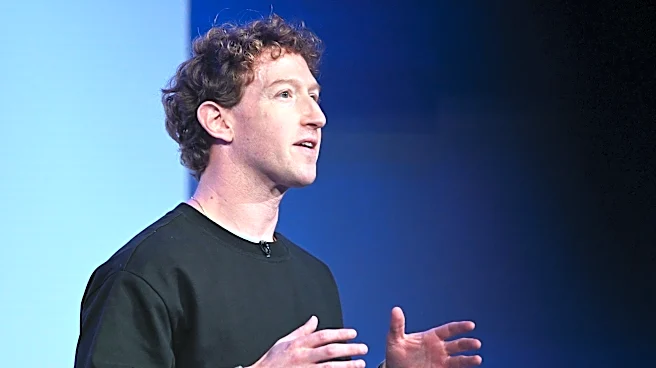
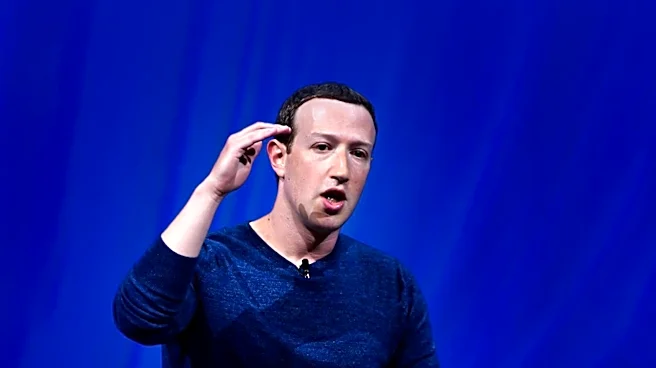
Meta Platforms CEO Mark Zuckerberg has articulated a comprehensive vision for the future of artificial intelligence (AI) in a detailed essay. He envisions a world where AI empowers individuals with 'invention superpowers,' enabling them to create businesses,
receive advanced tutoring, and personalize lifestyle advice. Zuckerberg advocates for open-source AI technology, which allows developers to access and modify key components, promoting equitable distribution of AI capabilities. Meta has released a new open-source AI model, Muse Glimmer, and plans to provide access to a more powerful model, Muse Spark 1.2. Critics, however, express concerns about the rapid development of AI and the potential risks of concentrating AI control among a few entities. They urge a more cautious approach to AI advancement.
Why It's Important?
Zuckerberg's vision for AI has significant implications for the tech industry and society at large. By promoting open-source AI, Meta aims to democratize access to advanced technology, potentially leveling the playing field for smaller developers and businesses. This approach could foster innovation and competition, challenging the dominance of larger tech companies. However, the rapid pace of AI development raises ethical and safety concerns, as critics warn of the dangers of AI systems that could surpass human control. The debate over AI's future highlights the need for balanced regulation to ensure that technological advancements benefit society without compromising safety and security.
What's Next?
As Meta continues to develop and release AI models, the tech industry and regulators will likely engage in ongoing discussions about the ethical and practical implications of AI. Policymakers may consider new regulations to address the risks associated with AI, while tech companies could face increased scrutiny over their AI practices. The open-source approach may encourage collaboration among developers, but it also necessitates robust security measures to prevent misuse. The future of AI will depend on finding a balance between innovation and safety, with potential impacts on various sectors, including education, business, and public policy.