



What's Happening?
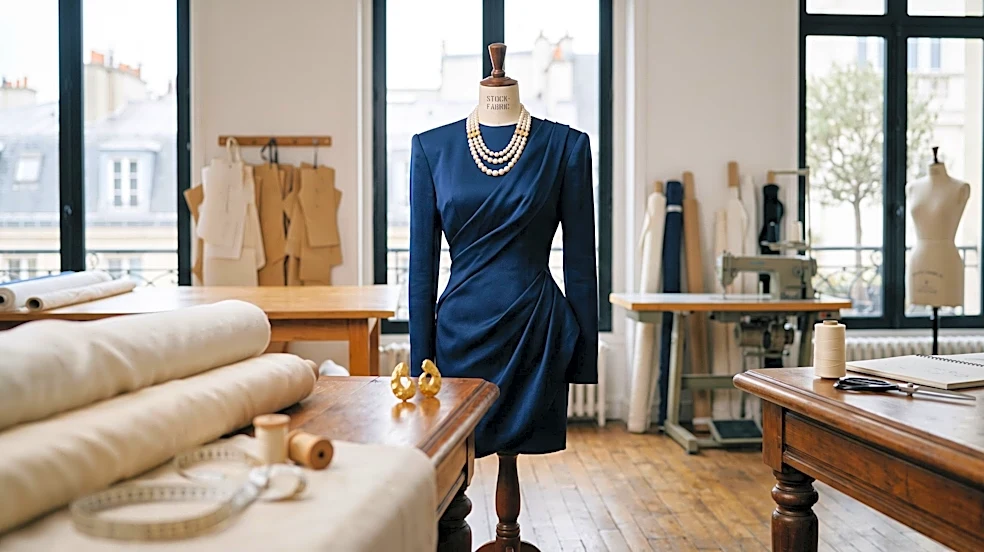
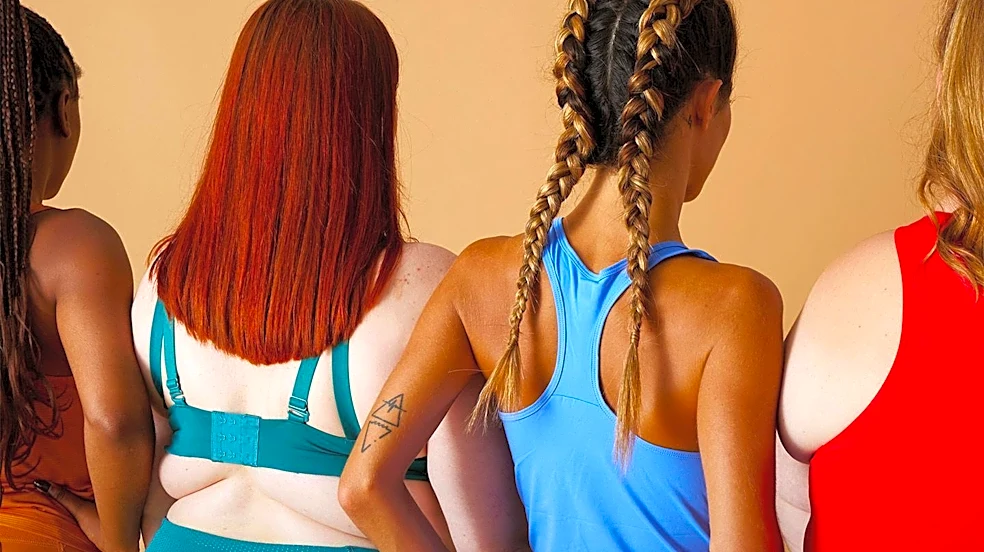
The fashion industry is undergoing a significant transformation, moving away from its historical obsession with a singular 'perfect body' ideal towards greater inclusivity and body positivity. Historically, clothing designs often dictated how bodies should
appear, with garments like corsets and girdles used to reshape the wearer. However, the body-positive movement has challenged these norms, advocating for the representation and acceptance of diverse body types. This shift encourages the industry to design clothing that accommodates natural body differences rather than expecting individuals to alter their bodies to fit garments. Cornell University researchers highlight that standard clothing sizes often fail to account for variations in body proportions, leading to inconsistent fits. The movement emphasizes that ill-fitting clothing does not indicate a flaw in the body but rather a limitation in design. Inclusive fashion now extends beyond just offering larger sizes, focusing on adaptive clothing for individuals with disabilities and ensuring comfort and proper fit for all body shapes.
Why It's Important?
This evolution in the fashion industry holds significant importance for consumers, businesses, and societal perceptions of beauty. For consumers, it means a more empowering shopping experience where clothing is designed to fit their bodies comfortably and stylishly, reducing the pressure to conform to unrealistic ideals. This can lead to improved self-esteem and a healthier body image. For businesses, embracing inclusivity can unlock new market segments and foster greater customer loyalty. Brands that prioritize diverse sizing and adaptive designs are likely to resonate more with a broader customer base, potentially increasing sales and market share. Socially, the increased visibility of diverse body types in fashion campaigns and media helps normalize a wider range of appearances, challenging long-held, narrow beauty standards. This shift can contribute to a more accepting and inclusive society, where individuals feel valued regardless of their body shape or size.
What's Next?
The fashion industry is expected to continue its trajectory towards greater inclusivity, with designers increasingly integrating diverse body shapes into their initial design processes. This means moving beyond simply extending existing sizes to fundamentally rethinking garment construction to accommodate various proportions. Consumers can anticipate a wider array of clothing options that prioritize comfort, fit, and style for all body types, including more adaptive clothing solutions. Social media will likely continue to play a crucial role, as shoppers use platforms to share real-world try-on experiences, holding brands accountable for their claims of inclusivity. This transparency will further pressure companies to genuinely embrace diverse representation and functional design. Industry organizations and designers will need to invest in tools and resources to support these changes, ensuring that inclusive practices become standard rather than exceptional.
Beyond the Headlines
Beyond the immediate impact on clothing design and consumer experience, this shift in fashion reflects a broader cultural re-evaluation of beauty standards and individual identity. It challenges the long-standing commercialization of insecurity, where industries profited from promoting unattainable ideals. Ethically, the movement pushes for a more responsible and empathetic approach to design and marketing, recognizing the psychological impact of body image pressures. Legally, there may be future discussions around standardization of sizing and accessibility in fashion, similar to other industries. Culturally, the increased representation of diverse bodies in fashion can contribute to a more inclusive visual landscape, fostering a sense of belonging for individuals who have historically been marginalized. This evolution signifies a deeper societal move towards celebrating authenticity and diversity over conformity.