







What's Happening?
Schneider Electric is promoting the use of digital twin technology to enhance the efficiency and effectiveness of large infrastructure projects. According to Johan Potgieter, Cluster Industrial Software Lead at Schneider Electric, digital twins have evolved
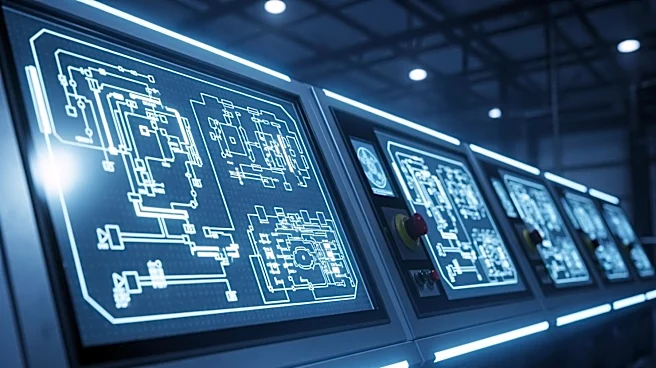
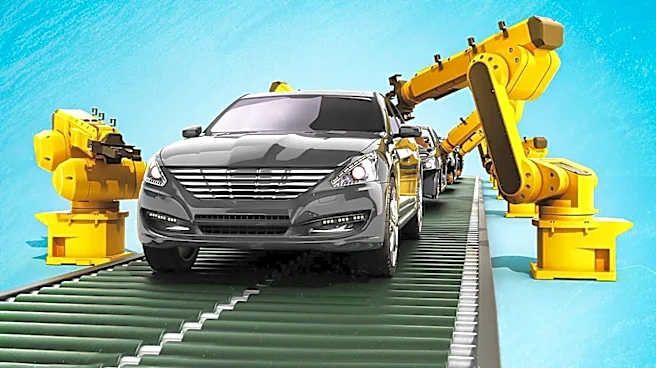
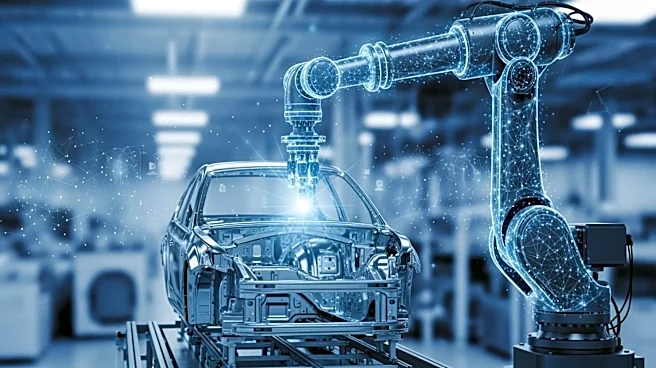
from simple design visualization tools to comprehensive asset intelligence platforms. This technology allows for the creation of high-fidelity digital replicas of physical assets, enabling engineering teams to validate control logic, test failure scenarios, and identify integration conflicts before construction begins. This approach shifts testing and risk mitigation to the pre-construction phase, reducing costs and improving project timelines. Schneider Electric's EcoStruxure platform facilitates the convergence of operational technology (OT) and information technology (IT), providing a unified data environment that supports faster commissioning and informed decision-making throughout the asset lifecycle.
Why It's Important?
The adoption of digital twin technology in infrastructure projects is significant as it addresses common challenges such as budget overruns and schedule delays. By enabling virtual commissioning and continuous synchronization with physical assets, digital twins help reduce capital risk and improve lifecycle performance. This technology supports predictive maintenance, performance optimization, and future upgrades, offering long-term value to asset owners. Additionally, digital twins facilitate multi-stakeholder collaboration by providing a shared data environment, reducing misalignment and scope creep. As infrastructure projects become increasingly complex, the ability to integrate various systems seamlessly is crucial for successful project delivery.
What's Next?
The continued development and implementation of digital twin technology are expected to transform infrastructure project management. As more organizations adopt this approach, there will likely be increased collaboration among stakeholders, including government clients, engineering contractors, and regulatory bodies. The focus will be on creating modular, interoperable platforms that can scale with project demands. Schneider Electric and other industry leaders will likely continue to refine their digital twin solutions, enhancing their capabilities to address the evolving needs of infrastructure projects. This shift could lead to more efficient and sustainable infrastructure development globally.
Beyond the Headlines
The integration of digital twin technology into infrastructure projects has broader implications for the industry. It represents a shift towards more data-driven decision-making and highlights the importance of digital transformation in traditional sectors. The technology also raises questions about data security and privacy, as the continuous flow of operational data requires robust cybersecurity measures. Furthermore, the success of digital twins depends on the collaboration and alignment of various stakeholders, emphasizing the need for clear communication and shared objectives. As digital twins become more prevalent, they may also influence regulatory standards and best practices in infrastructure development.