




What's Happening?
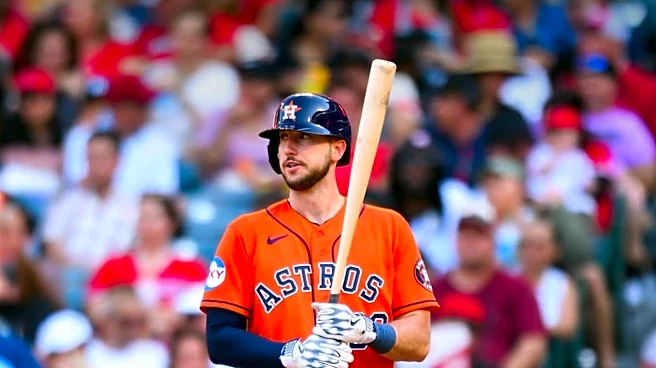
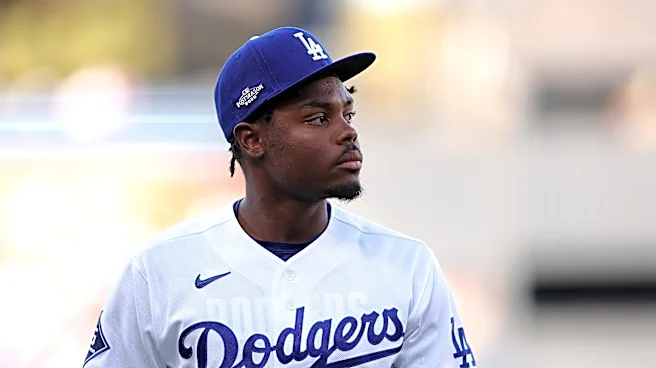
Kyle Tucker, playing for the Los Angeles Dodgers in the 2026 MLB season, showcased a remarkable postseason performance. Despite what was described as a 'lost regular season,' Tucker excelled in the playoffs, achieving a .333 batting average and a .938
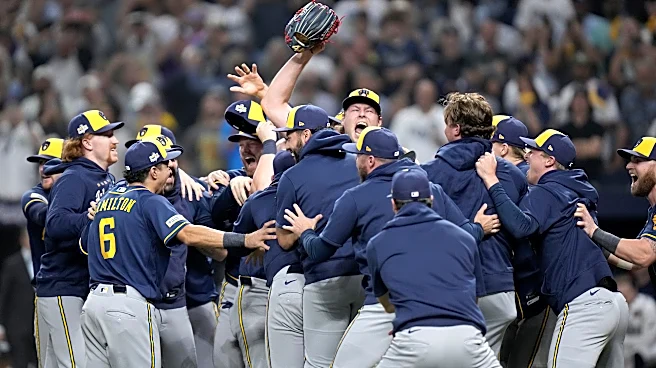
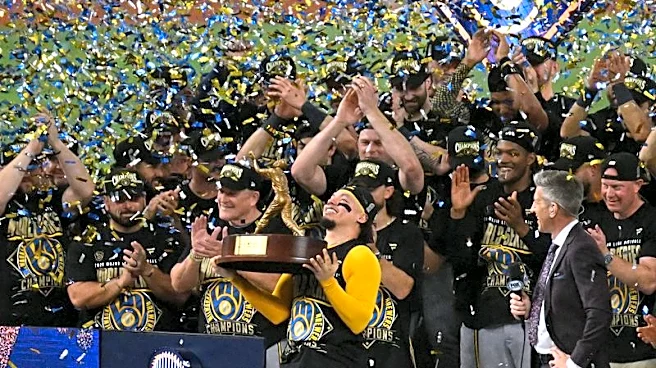
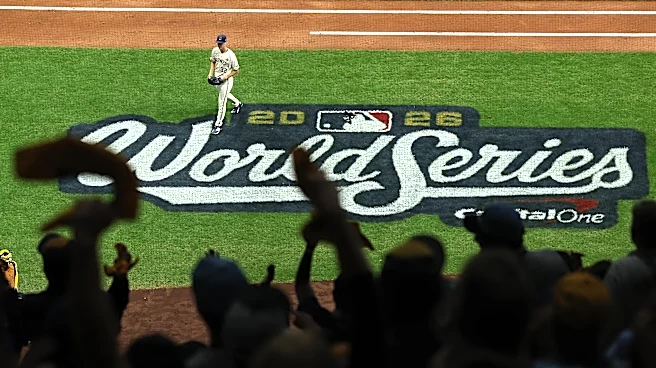
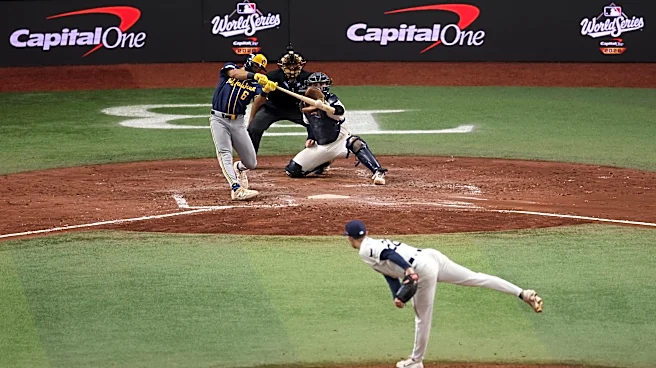
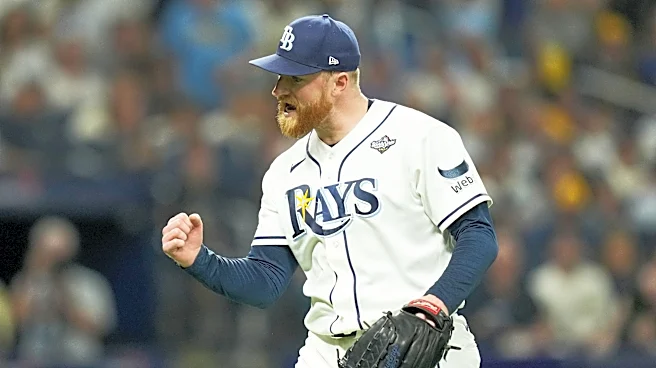
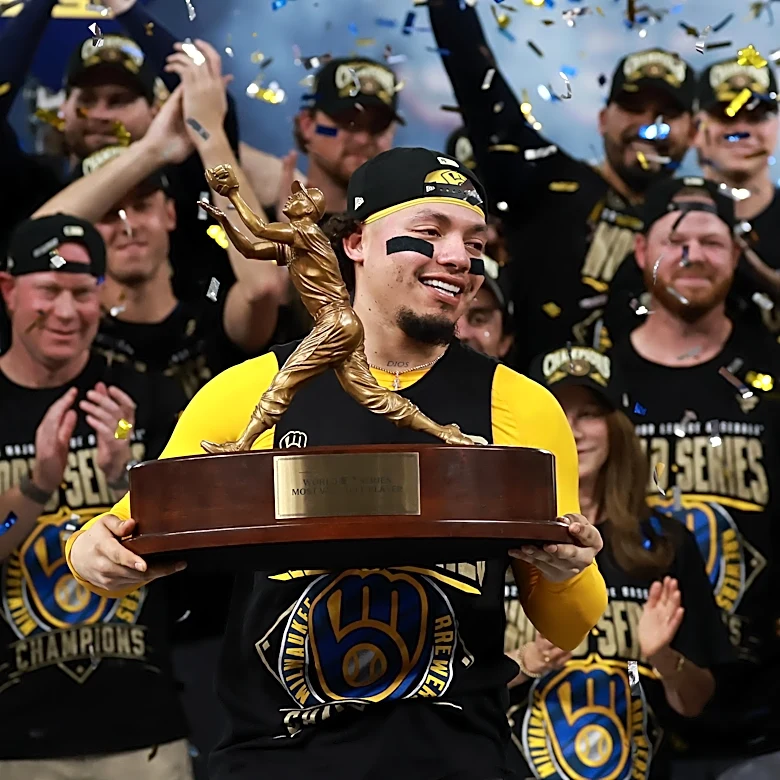
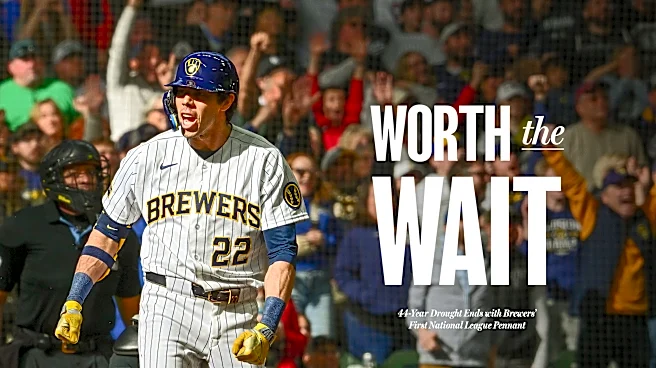
OPS over eight games. This marked his highest OPS in a single postseason throughout his eight trips to the playoffs. His strong showing was particularly notable as other high-powered players in the Dodgers' lineup experienced a slump. The 2026 postseason concluded with the Milwaukee Brewers winning their first World Series title, defeating the Tampa Bay Rays 4-1 in Game 5 of the Fall Classic.
Why It's Important?
Tucker's postseason resurgence highlights the critical role individual player performance can play in high-stakes baseball, even when a team's overall offensive output is inconsistent. For the Dodgers, his ability to perform under pressure provided a significant boost, underscoring the value of veteran experience and clutch hitting in playoff scenarios. This performance could influence future contract negotiations and team strategies, as players who demonstrate resilience and peak performance in the postseason often command higher value. It also serves as a case study for other players facing challenging regular seasons, demonstrating that a strong postseason can redefine a player's narrative and impact.
What's Next?
While the 2026 postseason has concluded, Tucker's performance could set the stage for his role and expectations in the upcoming 2027 MLB season. His ability to overcome a difficult regular season and deliver in the playoffs may lead the Dodgers to rely more heavily on his leadership and offensive capabilities in future critical games. Other teams might also take note of his postseason success, potentially increasing his trade value or market demand if he were to become a free agent. His performance will likely be a key point of discussion as teams evaluate their rosters and strategies for the next season.
Beyond the Headlines
Tucker's 2026 postseason run offers a compelling narrative about mental fortitude and professional resilience in sports. It illustrates how athletes can compartmentalize regular season struggles and perform at their best when it matters most. This ability to 'flip the switch' in high-pressure situations is a valuable trait that extends beyond baseball, reflecting broader themes of psychological resilience and peak performance. The contrast between his regular season and postseason performance also raises questions about player management, training methodologies, and the psychological support systems in professional sports, suggesting that a player's overall value cannot be solely judged by regular season statistics.