







What's Happening?
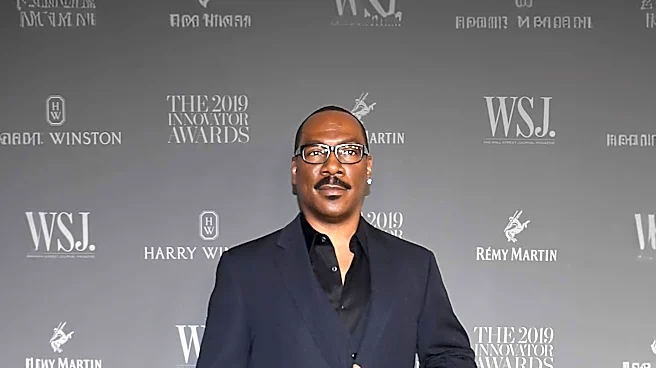
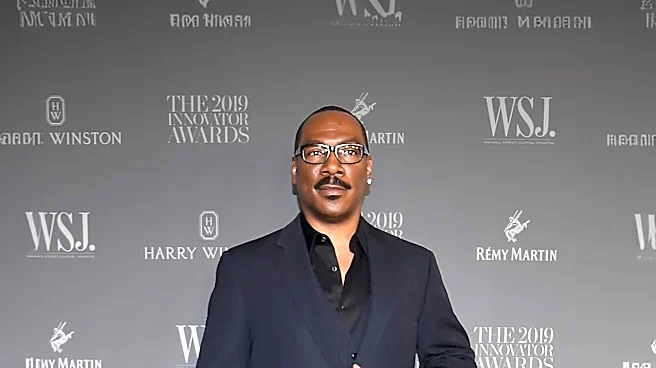
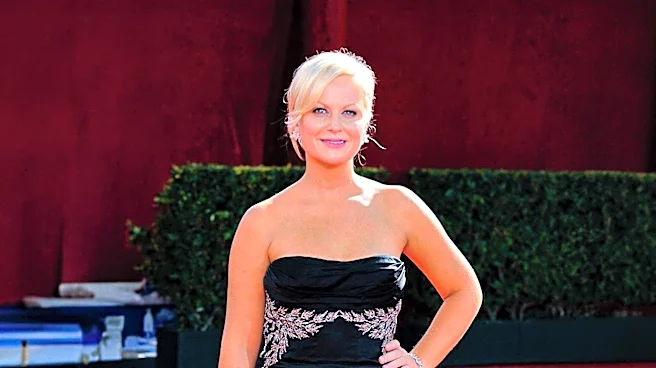
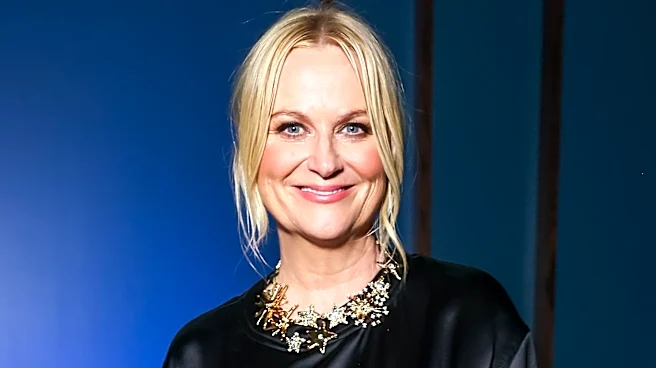
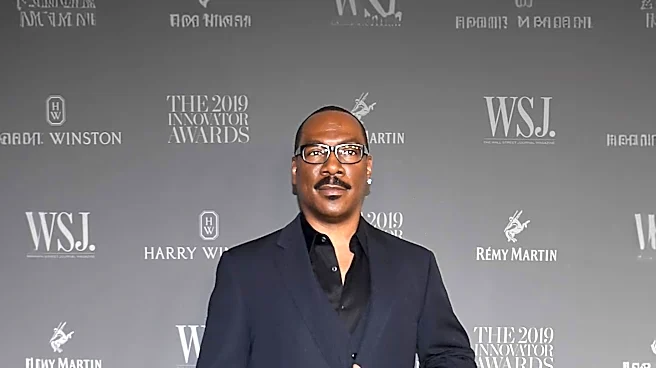
Actor Noah Wyle recently recounted a memorable childhood encounter with Eddie Murphy, where his request for an autograph was met with a blunt refusal. Wyle, now 55, shared the story on Amy Poehler's Good Hang podcast, detailing how at approximately nine
years old, he approached Murphy, whom he recognized from 'Saturday Night Live'. After Wyle expressed his admiration, Murphy reportedly questioned why Wyle was up so late. Upon a second request for an autograph, Murphy allegedly told him to "F--- off, man." This incident, which occurred when Murphy was a young performer on 'SNL' between 1980 and 1984, has stayed with Wyle for over four decades. The experience has since influenced how Wyle interacts with young fans seeking his autograph, making him particularly responsive to children around the age he was during the encounter.
Why It's Important?
This anecdote, while seemingly minor, offers insight into the early days of celebrity culture and the personal experiences that shape public figures. For Noah Wyle, the encounter became a formative moment that influenced his professional conduct and empathy towards fans. It highlights how interactions, even brief ones, can leave lasting impressions and shape an individual's approach to their own fame. The story also provides a glimpse into Eddie Murphy's early career, when he was a rising star navigating public attention. Such personal stories contribute to the broader understanding of celebrity dynamics, fan interactions, and the human element behind public personas. It underscores the idea that even seemingly small moments can have significant personal impact and influence behavior over decades.
Beyond the Headlines
Beyond the humorous and somewhat awkward nature of the encounter, this story touches on the broader theme of celebrity accessibility and the evolving nature of fan interactions. In the early 1980s, before the pervasive nature of social media and constant public scrutiny, celebrities might have had different expectations regarding privacy and fan engagement. Murphy's reaction, while harsh, could be viewed in the context of a young performer navigating sudden fame without the extensive media training or public relations strategies common today. For Wyle, the experience transformed into a lesson in empathy, demonstrating how negative personal experiences can be reframed into positive professional practices. This narrative subtly explores the psychological impact of fame on both the famous and those who admire them, illustrating how these interactions contribute to the complex tapestry of celebrity culture.