







What's Happening?
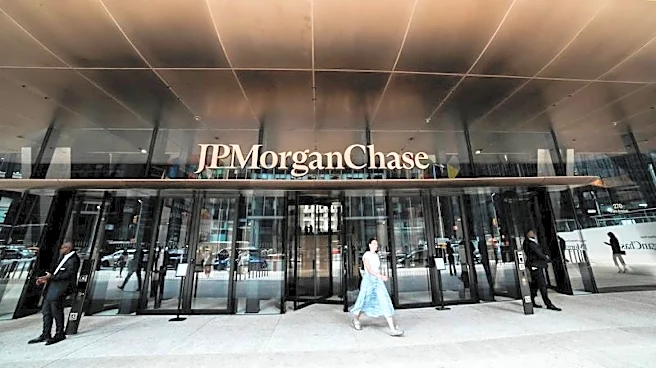
JPMorgan Chase & Co. is making significant strategic moves, including a commitment of up to $750 billion in housing-related investments through 2035. This initiative is driven by management's view of the housing shortage as a long-term lending and investment opportunity.
Concurrently, JPMorgan is bolstering its technology investment-banking division by hiring Dan McDow from Citigroup to lead its East Coast operations, signaling continued investment in the lucrative technology deal pipeline. These developments occur as the Securities and Exchange Commission (SEC) is scrutinizing JPMorgan and other prime brokers regarding risk controls following the collapse of a heavily leveraged hedge fund. The SEC's inquiry focuses on the timing of trades and communication between the fund and its lenders, raising questions about how banks assess leverage, concentration, and counterparty risk in high-growth sectors.
Why It's Important?
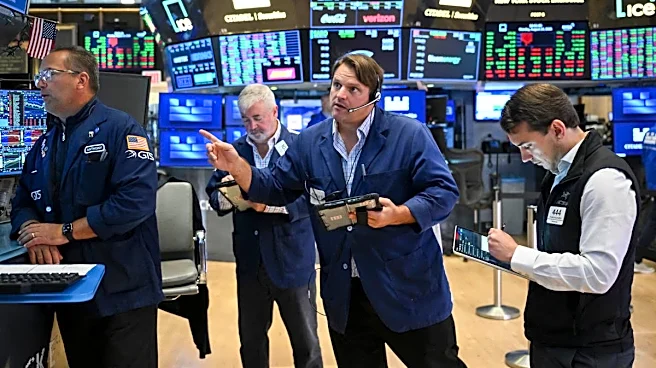
JPMorgan's substantial commitment to housing investment could significantly impact the U.S. housing market by expanding loan growth and investment-banking activity, potentially addressing the ongoing housing shortage. This long-term strategy indicates confidence in the sector's stability and growth potential. The expansion of its technology investment-banking business, particularly with a key hire from a competitor, highlights the increasing importance of the tech sector in financial services and JPMorgan's intent to capture a larger share of this market. However, the SEC's investigation into risk controls among major Wall Street banks, including JPMorgan, underscores broader concerns about financial stability and regulatory oversight, especially in rapidly evolving markets like AI. This scrutiny could lead to tighter margin rules or reduced leverage, potentially impacting prime-brokerage revenue and market liquidity across the financial industry.
What's Next?
JPMorgan is expected to continue implementing its housing investment strategy, which will likely involve developing new lending products and investment vehicles to support the housing sector through 2035. The integration of Dan McDow into the technology investment-banking team will likely lead to an aggressive pursuit of tech deals, potentially increasing competition in this segment. Regarding the SEC inquiry, while the subpoenas do not imply wrongdoing, the investigation will likely prompt JPMorgan and other implicated banks to review and potentially enhance their risk governance frameworks. This could result in internal policy changes to improve visibility into client concentrations, collateral, and margin requirements, especially for highly leveraged clients in volatile sectors. The outcome of the SEC's scrutiny could also influence future regulatory actions and industry-wide standards for risk management.
Beyond the Headlines
The contrasting strategies of aggressive market expansion and heightened regulatory scrutiny reveal a complex landscape for major financial institutions. JPMorgan's proactive investments in housing and technology reflect a strategic vision to capitalize on long-term growth opportunities and adapt to evolving market demands. However, the SEC's focus on risk governance highlights a persistent challenge for banks: balancing innovation and profit-seeking with robust risk management, particularly in fast-moving sectors like AI. The situation echoes past financial crises, where rapid growth in complex financial products outpaced regulatory oversight. This ongoing tension between market dynamism and regulatory caution will shape the future of financial services, potentially leading to more stringent capital requirements or operational changes to prevent systemic risks, ultimately influencing how banks engage with emerging industries and manage client relationships.