





What's Happening?
Sitetracker is addressing the growing demand for efficient, integrated infrastructure delivery in the rapidly expanding data center market. The company has developed an enterprise-grade platform built on Salesforce, designed to unify planning, construction,
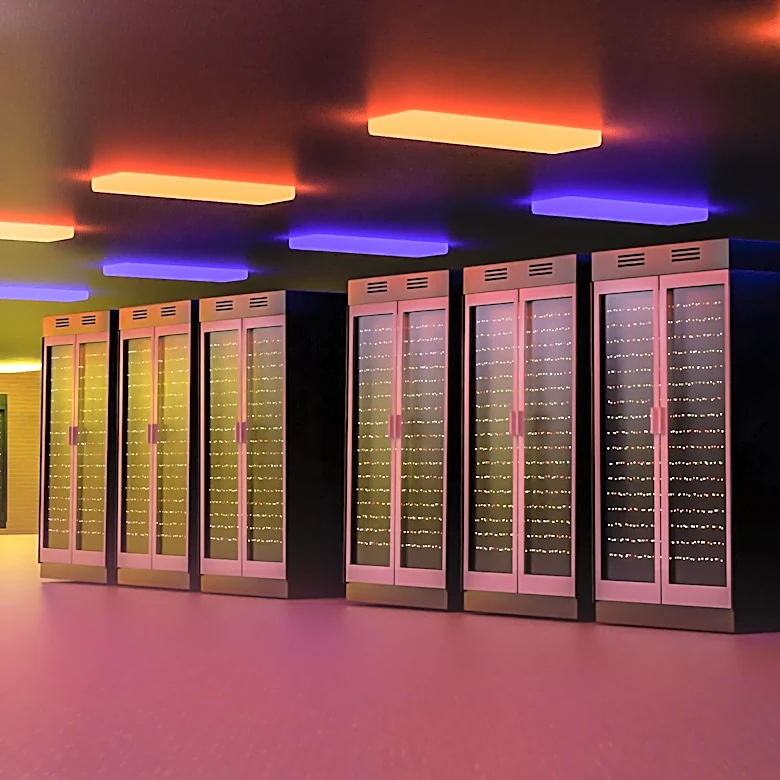
commissioning, and maintenance within a single system. This platform aims to resolve inefficiencies caused by fragmented management tools, such as spreadsheets and disparate software, which often lead to operational friction, project delays, and cost overruns. With the increasing need for AI and cloud computing, data center operators face challenges including supply chain constraints, limited power availability, and stringent regulatory requirements. Sitetracker's solution provides automated workflows and real-time visibility, enabling teams to align construction progress with financial and leasing objectives, ultimately helping to complete projects on schedule and within budget. Industry experts emphasize the importance of 'time-to-capacity' over traditional project completion metrics, a focus that Sitetracker's holistic approach supports by connecting site selection to operational handover.
Why It's Important?
The integration of Sitetracker's platform into data center operations is crucial for the U.S. digital economy, which heavily relies on robust and efficient data infrastructure. As demand for AI and cloud computing continues to surge, the ability to rapidly deploy and manage data centers directly impacts the competitiveness and innovation capacity of American businesses. Fragmented management practices have historically led to significant financial losses and delays, hindering the growth of critical technological sectors. By streamlining these processes, Sitetracker helps reduce operational costs and accelerate project timelines, benefiting data center operators and, by extension, the numerous industries that depend on their services. This efficiency gain is particularly vital in an environment marked by supply chain challenges and regulatory complexities, ensuring that the U.S. maintains its leadership in technology and digital services. The focus on 'time-to-capacity' reflects a strategic shift towards maximizing operational readiness, which is essential for meeting the dynamic needs of the modern digital landscape.
What's Next?
Sitetracker's continued expansion and adoption of its integrated platform are expected to further optimize data center delivery models. The company's focus on eliminating manual processes and improving project economics suggests a trend towards greater automation and data-driven decision-making in infrastructure management. As more data center operators embrace such unified solutions, the industry could see a significant reduction in project delays and cost overruns. This will likely lead to faster deployment of new data center capacity, supporting the escalating demands of AI and cloud technologies. Furthermore, the emphasis on real-time visibility and automated workflows could set new industry standards for efficiency and accountability. The success of Sitetracker's approach may also encourage other technology providers to develop similar integrated solutions, fostering a more competitive and innovative market for data center management tools.
Beyond the Headlines
The shift towards integrated platforms like Sitetracker's highlights a broader evolution in how critical infrastructure projects are managed. Beyond the immediate benefits of efficiency and cost savings, this approach fosters greater resilience and adaptability within the digital economy. By providing a single source of truth for all aspects of data center operations, it enhances transparency and collaboration among diverse stakeholders, from planning and construction teams to financial and leasing departments. This holistic view can also improve compliance with regulatory requirements and facilitate more sustainable development practices by optimizing resource allocation. The move away from fragmented tools towards comprehensive, enterprise-grade solutions signifies a maturation of the data center industry, recognizing that the underlying infrastructure is as critical as the technologies it supports. This integration is not just about managing projects; it's about building a more robust and responsive digital foundation for future technological advancements.