

What's Happening?
As September arrives, gardening experts are recommending specific cleanup tasks to prepare yards for the colder months and reduce future work. Key priorities include clearing summer annuals, removing spent crops, deadheading summer-blooming perennials,
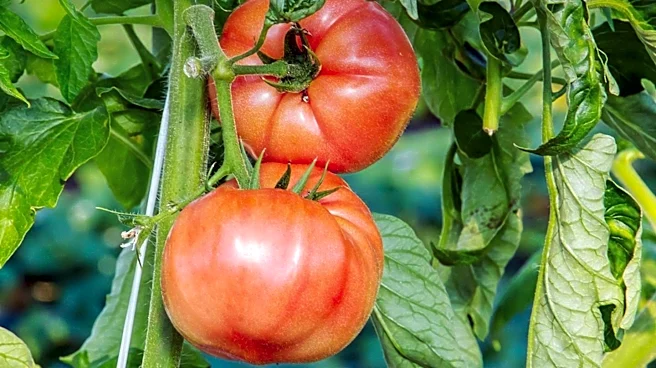
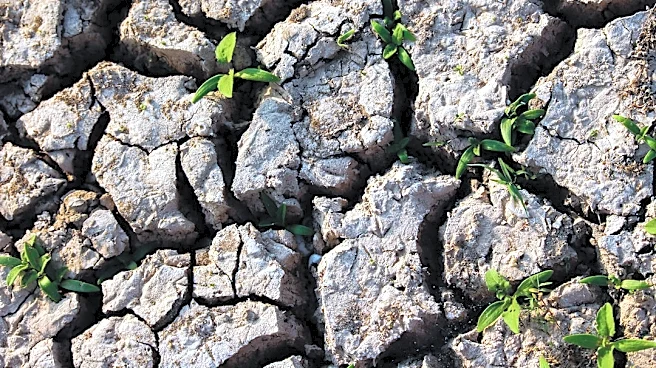
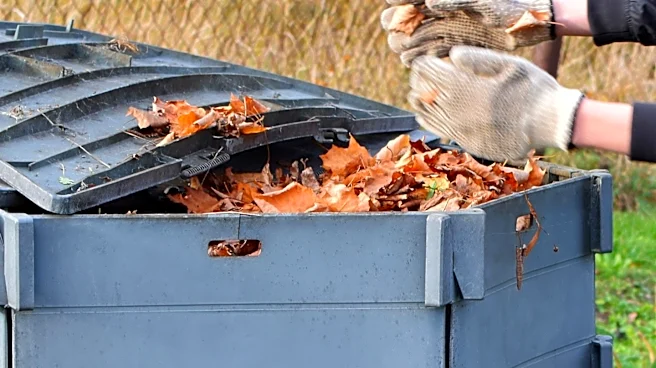
refreshing old mulch, and weeding. According to Homes & Gardens, removing deteriorating plant material from summer annuals like sweet peas and zinnias can prevent pests and diseases. Horticulturist Wendy Hanson Mazet from the University of Nevada advises clearing annual vines before hard frosts make removal more difficult. Similarly, non-productive or diseased vegetable plants should be removed, and warm-season crops like indeterminate tomatoes and tender herbs that won't survive frost should be cleared. Deadheading perennials such as dahlias, hydrangeas, and roses in late summer and early fall encourages a tidier appearance, potential reblooming, and continued plant vigor. Garden designer Kate Schneider suggests removing old, decomposing pine straw and replacing it with a fresh layer of mulch to insulate soil and regulate temperature. Finally, addressing weeds before they go to seed and overwinter is crucial, especially after summer rain, as damp soil makes weeding easier.
Why It's Important?
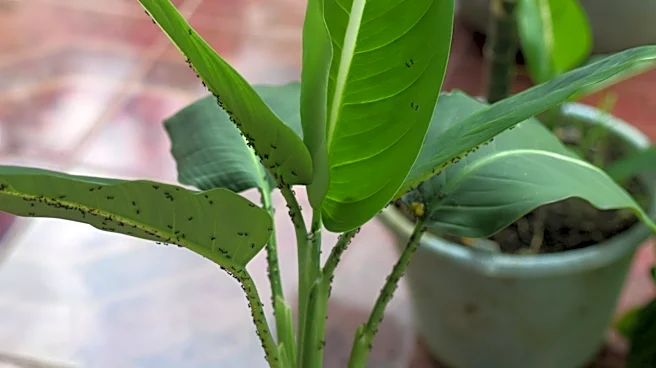
These September gardening practices are important for several reasons, primarily to maintain plant health, prevent future problems, and ensure a more manageable garden in the long term. Clearing spent annuals and diseased crops helps to break the life cycle of pests and pathogens, reducing their presence in the garden next season. This proactive approach minimizes the need for chemical interventions and promotes a healthier ecosystem. Refreshing mulch is vital for soil insulation, protecting plant roots from fluctuating temperatures and retaining moisture, which is particularly beneficial in regions with freeze-thaw cycles. Effective weeding in the fall prevents weeds from establishing deep root systems and spreading seeds, significantly reducing the weed burden in the spring. By performing these tasks now, gardeners can save considerable time and effort during the busy spring planting season, allowing for a smoother transition into the next growing cycle and fostering more resilient plant growth.
What's Next?
Following these September guidelines will lead to a more organized and healthier garden environment as winter approaches. Gardeners can expect to see fewer pests and diseases in the spring due to the removal of host plants and decaying matter. The refreshed mulch layers will continue to protect plant roots from harsh winter conditions, contributing to better plant survival rates. Reduced weed populations in the spring will free up time for planting and other essential garden tasks. Additionally, the practice of leaving some faded flowerheads and plant stems can provide vital food and shelter for wildlife throughout the colder months, balancing tidiness with ecological support. The ongoing benefits of these fall preparations will become evident in the vigor and health of the garden in the subsequent growing seasons, making spring gardening more enjoyable and less labor-intensive.
Beyond the Headlines
Beyond the immediate benefits of a tidy garden, these practices reflect a deeper understanding of seasonal gardening and ecological balance. The emphasis on removing diseased plants and weeds highlights a preventative approach to garden management, reducing reliance on reactive measures. The recommendation to refresh mulch underscores the importance of soil health and temperature regulation, which are critical for plant resilience in varying climates. Furthermore, the nuanced advice to selectively leave some faded flowerheads for wildlife demonstrates a growing awareness of biodiversity and the role gardens play in supporting local ecosystems. This approach encourages gardeners to view their spaces not just as aesthetic displays but as dynamic habitats, fostering a more sustainable and interconnected relationship with nature. These practices contribute to a broader shift towards more environmentally conscious gardening, promoting long-term ecological benefits.