



What's Happening?
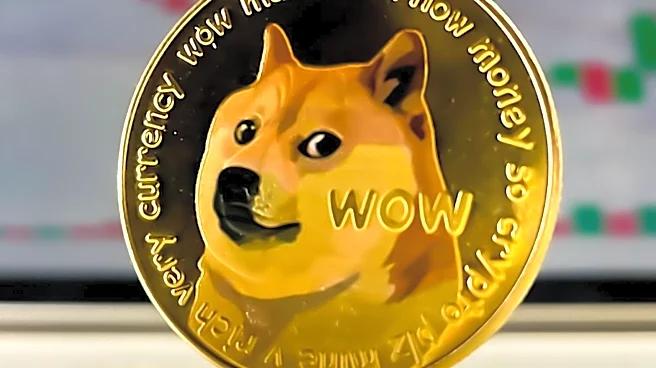
To purchase Dogecoin (DOGE), users must select DOGE on its native network and provide a receiving address from their wallet, typically starting with 'D' for single-key wallets or 'A' or '9' for multisig wallets. These addresses are 34 characters long.
Any address beginning with '0x' indicates an Ethereum-style network token and cannot receive native Dogecoin. The process involves setting an amount, confirming fees, and paying via card or bank transfer, often requiring photo ID and a selfie for initial orders. Dogecoin's network aims for one block every 60 seconds, meaning initial confirmation usually occurs within minutes. A significant rule change in July 2022, with Dogecoin Core version 1.14.6, reduced the recommended 'dust limit' from 1 DOGE to 0.01 DOGE, impacting small transactions and leftover amounts. This rule, still in effect with version 1.14.9 released in December 2024, prevents the creation of outputs under 0.01 DOGE and adds such amounts to transaction fees.
Why It's Important?
Understanding Dogecoin's transaction protocols is crucial for users to ensure successful and secure cryptocurrency transfers. The distinction between native Dogecoin addresses and '0x' addresses for tokens on other networks is vital to prevent loss of funds, as misdirected transfers are irreversible. The 'dust limit' rule, set at 0.01 DOGE, significantly impacts how small transactions and leftover coin amounts are handled. This rule, designed to prevent network spam and manage block space efficiently, means that very small test sends or residual amounts below this threshold may be rejected or absorbed into transaction fees. This can be particularly frustrating for new users or those attempting micro-transactions, highlighting the importance of adhering to the network's specific parameters. The speed of transaction confirmation, typically within minutes, is a key factor for users requiring timely transfers, though the number of confirmations required by different platforms can extend this waiting period.
What's Next?
Users engaging with Dogecoin should remain vigilant about the specific address formats and transaction rules to avoid potential issues. When making a purchase, it is imperative to select DOGE on its native network and carefully verify the receiving address, ensuring it matches the 'D', 'A', or '9' prefix. For those dealing with small amounts, understanding the 0.01 DOGE dust limit is critical; any test sends or leftover amounts should comfortably exceed this figure to prevent them from being rejected or converted into fees. Platforms will continue to set their own number of required confirmations, so users should consult the help pages of their chosen service to understand expected arrival times. Ongoing updates to Dogecoin Core, such as version 1.14.9, will continue to refine network parameters, and users should stay informed about these changes to ensure compliance and efficient transaction processing.
Beyond the Headlines
The technical intricacies of Dogecoin's transaction system, particularly the address formats and dust limits, reflect broader challenges in cryptocurrency usability and user education. While designed for security and network efficiency, these rules can create barriers for less experienced users, leading to potential frustration or loss of funds. The distinction between native coins and pegged tokens on other chains underscores the fragmented nature of the crypto ecosystem and the need for clear user guidance. The continuous evolution of network parameters, as seen with Dogecoin Core updates, highlights the dynamic nature of blockchain technology and the ongoing efforts to balance decentralization with practical functionality. This also raises questions about the long-term scalability and user-friendliness of meme coins, which often gain popularity before their underlying technical infrastructure is fully understood by the wider public. The emphasis on self-custody versus custodial accounts also points to the fundamental trade-offs between control and convenience in the digital asset space.