
What's Happening?
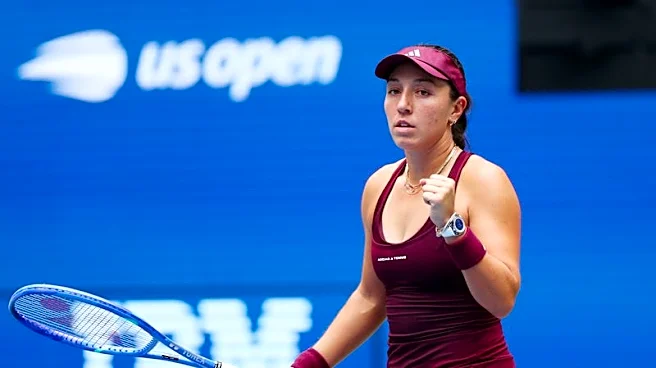
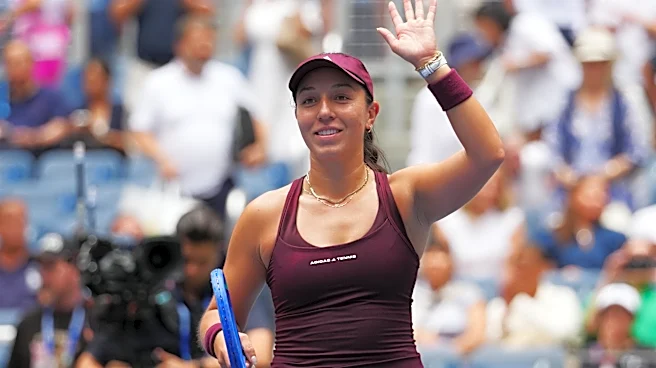
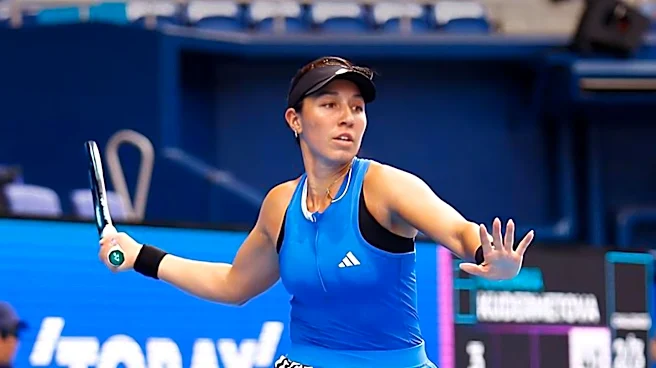
World No. 3 tennis player Jessica Pegula has voiced her opinion that the behavior of influencers at this year's US Open has become 'a little too much,' particularly when it disrupts matches. Pegula, known for her active role as a player representative,
acknowledged that influencers can attract attention to the sport and showcase the US Open experience, including its food, drinks, and shops. However, she draws a clear line when their actions, such as using lights during play, interfere with the athletes' performance. She described such disruptions as 'disrespectful' to players who are performing their careers and jobs. This sentiment comes despite her previous statements to FOS where she recognized the positive impact influencers have had in growing the sport and making it more trendy, bringing in more fashion and celebrities to tournaments. Other top players like Aryna Sabalenka and Daniil Medvedev have also commented, generally viewing the increased attention from content creators as having more upside than downside, as long as it doesn't directly disturb play.
Why It's Important?
Pegula's comments highlight a growing tension between the commercialization and popularization of sports events and the integrity of the competition itself. While influencers can broaden the appeal of tennis and attract new audiences, their disruptive behavior risks alienating the athletes and traditional fans. This situation underscores a broader challenge for major sporting events like the US Open: how to balance the desire for increased visibility and revenue generated by new media trends with maintaining a respectful and focused environment for professional competition. The debate also touches on the fan experience, with some former players like Patrick McEnroe suggesting that the focus on influencers might be pricing out 'real tennis fans.' The USTA's response, reminding attendees to refrain from disruptive activity, indicates an awareness of the issue and an attempt to manage the evolving dynamics of crowd behavior in the age of social media.
What's Next?
The USTA has not indicated whether it will ban equipment like ring lights or flash cameras, but it is actively reminding attendees through various channels, including emails and video board messages, to avoid disruptive actions. Chair umpires retain the authority to address crowd disturbances during matches. This suggests a continued reliance on existing protocols and attendee education rather than immediate new restrictions. The ongoing discussion among players, former players, and event organizers indicates that this issue will likely remain a point of contention as the US Open and other major sporting events navigate the evolving landscape of fan engagement and social media influence. Future tournaments may see further adjustments in policies or enforcement as they seek to strike a balance between promoting the sport and preserving the competitive environment.
Beyond the Headlines
The phenomenon of influencers disrupting live sporting events points to a broader cultural shift where personal content creation sometimes takes precedence over collective experience and respect for performance. This raises ethical questions about the boundaries of individual expression in public spaces, especially when it impacts the professional environment of others. The tension between 'growing the sport' through viral content and maintaining the sanctity of the game reflects a societal struggle to adapt traditional institutions to the demands of the digital age. It also highlights the commercial pressures on sports organizations to embrace new forms of engagement, even if they come with potential drawbacks. The long-term implications could include a redefinition of fan etiquette, stricter rules on electronic devices at events, or even a shift in how live events are designed to accommodate both traditional spectators and content creators.