



What's Happening?
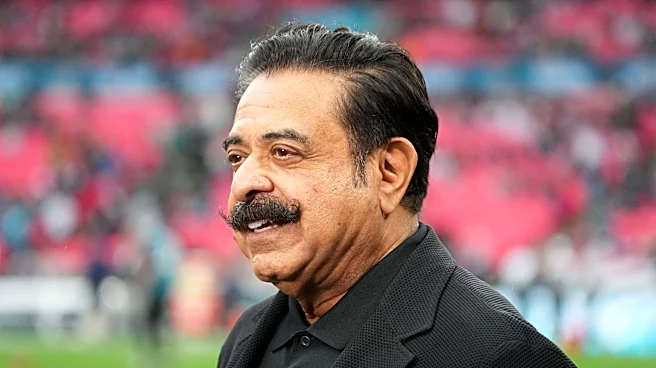
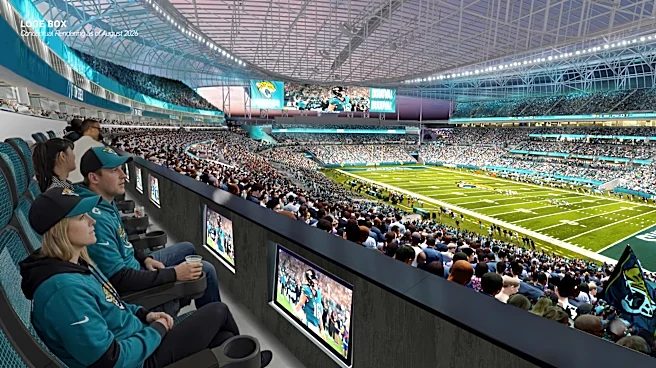
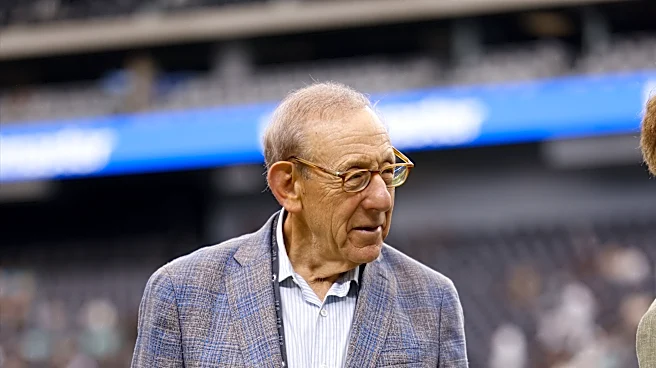
Shad Khan, the owner of the Jacksonville Jaguars, has publicly stated his belief that the National Football League (NFL) is "greatly undervalued." This assertion comes as the Jaguars are undertaking a significant $1.4 billion stadium renovation project.
Khan's comments were made during an interview with CNBC's Michael Ozanian, where they also discussed the league's ongoing international growth initiatives. The Jacksonville Jaguars' stadium renovation is a major investment aimed at modernizing facilities and enhancing the fan experience, reflecting a broader trend within the NFL to upgrade infrastructure. Khan's perspective on the league's valuation suggests a strong confidence in the NFL's future financial prospects and its potential for continued expansion, both domestically and globally.
Why It's Important?
Shad Khan's declaration that the NFL is "greatly undervalued" carries significant weight, coming from a prominent team owner who is actively investing heavily in his franchise's infrastructure. This statement could signal to potential investors and the broader financial market that NFL teams, despite their already high valuations, still represent a lucrative investment opportunity. The $1.4 billion stadium renovation in Jacksonville underscores the massive capital expenditures being made by team owners, indicating a long-term commitment to the league's growth and profitability. Furthermore, the discussion around the NFL's international growth highlights the league's strategic efforts to expand its global footprint, which could unlock new revenue streams and fan bases, thereby increasing the overall value of the league and its franchises. This perspective is crucial for understanding the economic trajectory of professional sports in the U.S. and its potential for international market penetration.
What's Next?
Khan's comments and the ongoing stadium renovation could encourage other NFL owners to consider similar large-scale investments in their facilities, potentially driving further modernization across the league. The emphasis on international growth suggests that the NFL will continue to prioritize global expansion, possibly leading to more international games, marketing efforts, and partnerships in new markets. This strategy could attract a more diverse global audience and increase the league's overall commercial appeal. Investors, both current and prospective, might interpret Khan's remarks as a bullish signal, potentially leading to increased interest in NFL franchise ownership or related ventures. The success of the Jaguars' renovation and the league's international endeavors will serve as key indicators for the future valuation and growth potential of the NFL.
Beyond the Headlines
Khan's assertion about the NFL's undervaluation points to a deeper economic narrative within professional sports: the transformation of sports franchises into global entertainment assets. Beyond mere athletic competition, NFL teams are becoming sophisticated business entities with diverse revenue streams, including media rights, merchandising, and real estate development around stadiums. The focus on international growth reflects a strategic pivot towards viewing sports as a global product, capable of transcending national borders and cultural differences. This trend has implications for how sports leagues are structured, marketed, and valued, moving them closer to global entertainment conglomerates. The massive investments in infrastructure, like the Jaguars' stadium renovation, are not just about improving fan experience but are also about creating multi-purpose venues that can generate revenue year-round, further solidifying the economic power and long-term viability of these franchises.