




What's Happening?
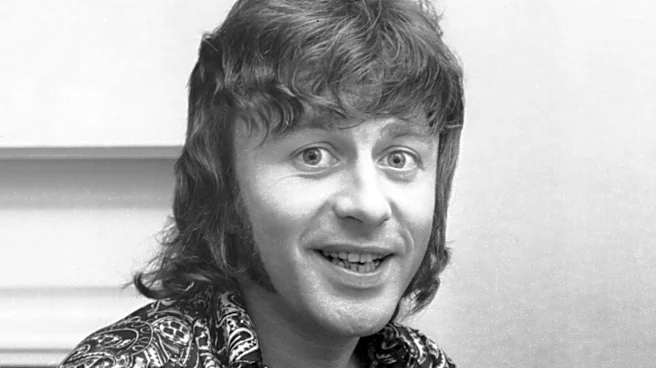
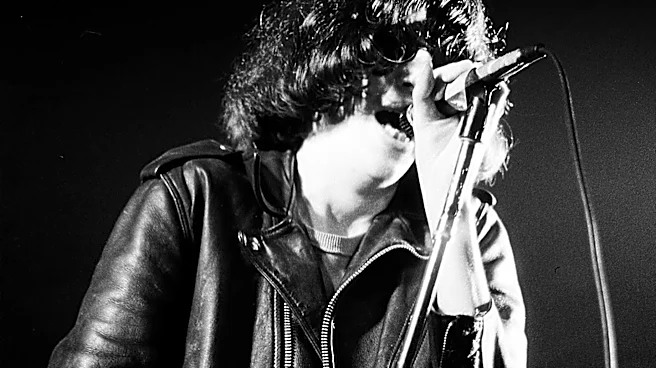
The iconic punk band Ramones, known for their raw and direct sound, drew significant inspiration from 1960s bubblegum pop music. This influence, which might seem contradictory given the genres' perceived differences, was acknowledged by frontman Joey
Ramone. He specifically cited the Bay City Rollers' 1975 hit 'Saturday Night' as a direct inspiration for the Ramones' own chant-rocker 'Blitzkrieg Bop,' which features the famous 'Hey! Ho! Let's go!' chant. Bubblegum pop, characterized by simple melodies, catchy hooks, and approachable lyrics, resonated with the Ramones' approach to music. The band admired the structural simplicity and sing-along quality of bubblegum pop, which aligned with their goal of creating straightforward, anthemic punk rock built on basic guitar chords and direct lyrics. This connection highlights a less obvious lineage in music history, where seemingly disparate genres share fundamental elements. The influence extended to a unique collaboration in 2016, when Archie Comics released 'Archie Meets Ramones,' commemorating the 40th anniversary of the Ramones' debut LP and connecting them to The Archies, a fictional band known for the 1969 bubblegum pop hit 'Sugar, Sugar.'
Why It's Important?
This revelation is important for understanding the diverse influences that shaped one of punk rock's most foundational bands. It challenges the common perception of punk as a purely rebellious and anti-establishment genre, suggesting that even its pioneers drew from mainstream, commercially oriented music. This insight enriches the historical narrative of rock music, demonstrating how artists often synthesize elements from various styles to create something new and distinct. For musicologists and fans, it provides a deeper appreciation for the Ramones' creative process and the underlying musical principles that transcend genre boundaries. It also underscores the idea that musical innovation often comes from unexpected juxtapositions. The Ramones' ability to transform the simplicity of bubblegum pop into the raw energy of punk showcases their unique artistry and their role in shaping the sound of a generation. This cross-genre influence also illustrates the cyclical nature of music, where elements from earlier, sometimes overlooked, styles can re-emerge and be reinterpreted in new contexts, influencing subsequent musical movements and artists.
What's Next?
The ongoing exploration of musical influences continues to shape how artists approach their craft and how audiences perceive established genres. This understanding of the Ramones' connection to bubblegum pop could encourage contemporary musicians to look beyond conventional genre boundaries for inspiration, potentially leading to new and innovative sounds. For music historians and critics, this insight may prompt further re-evaluations of other seminal bands, seeking out unexpected influences that have been overlooked. This could lead to new academic discussions, documentaries, or retrospective analyses that reframe the origins and evolution of various music genres. Furthermore, the enduring appeal of both punk and bubblegum pop suggests that the fundamental elements of catchy melodies and direct communication remain powerful in music. Future artists might consciously or unconsciously draw from these historical connections, blending simplicity with raw energy to create music that resonates with new audiences, much like the Ramones did decades ago. This historical context provides a rich foundation for understanding the continuous evolution of popular music.
Beyond the Headlines
The influence of bubblegum pop on the Ramones extends beyond mere musical notes; it highlights a broader cultural phenomenon where seemingly 'lowbrow' or commercially driven art forms can profoundly impact 'highbrow' or counter-cultural movements. This challenges the traditional hierarchical view of art and music, suggesting that artistic merit and influence are not solely determined by perceived complexity or intellectual depth. The Ramones' embrace of bubblegum's simplicity can be seen as a democratic act, stripping away pretension and focusing on immediate, visceral impact—a core tenet of punk. This cross-pollination also speaks to the idea that all art exists within a continuum, constantly borrowing and transforming elements from its predecessors, regardless of their perceived status. Ethically, it encourages a more open-minded approach to cultural consumption and creation, urging us to look for value and inspiration in unexpected places. Legally, while not directly applicable here, the concept of influence and transformation is central to discussions around copyright and artistic originality, where the line between inspiration and imitation is often debated. Culturally, it reinforces the idea that popular culture is a complex tapestry woven from diverse threads, where even the most rebellious movements have roots in broader, sometimes more conventional, cultural landscapes.