
What's Happening?
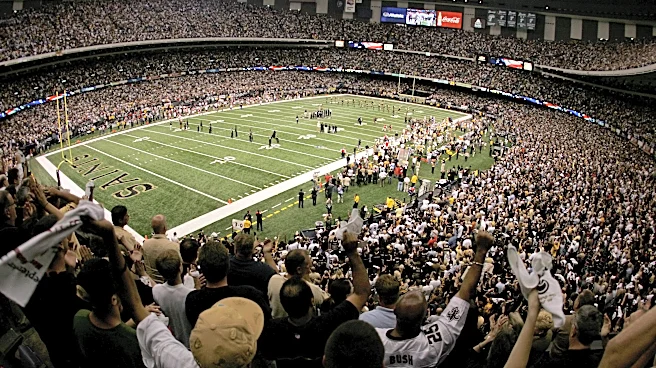
Sean Payton, currently the head coach of the Denver Broncos, recently reflected on the New Orleans Saints' historic return to the Superdome in 2006, following Hurricane Katrina. Payton, who was then the Saints' head coach,
acknowledged that neither the players nor the coaching staff could have fully anticipated the profound significance of that game. The Saints hosted the Atlanta Falcons on September 25, 2006, in a game that became a symbol of New Orleans' recovery. Payton recalled the unusual preparations, including a seven-week training camp in Jackson, Mississippi, due to damaged facilities. Despite efforts to prepare the team for the environment, he admitted the atmosphere was unique and overwhelming. The game, which the Saints won 23-3, featured a memorable blocked punt by Steve Gleason, further cementing its place in NFL history and the city's narrative of resilience. Payton noted that the event drew many attendees who wouldn't typically be at a Saints game, highlighting its broader symbolic importance beyond football.
Why It's Important?
The 2006 Superdome reopening game holds immense cultural and emotional significance for the city of New Orleans and the broader U.S. sports landscape. It transcended a typical NFL contest, becoming a powerful symbol of recovery and community spirit in the aftermath of one of the most devastating natural disasters in U.S. history, Hurricane Katrina. For the NFL, it showcased the league's role in civic healing and its deep connection to local communities. The event demonstrated how sports can serve as a unifying force, providing hope and a sense of normalcy during times of crisis. Sean Payton's reflections underscore the unique pressures and emotional weight placed on the team, highlighting the intersection of professional sports and societal challenges. The game's legacy continues to resonate, reminding us of the resilience of New Orleans and the enduring power of collective spirit, making it a pivotal moment in both sports and national history.
What's Next?
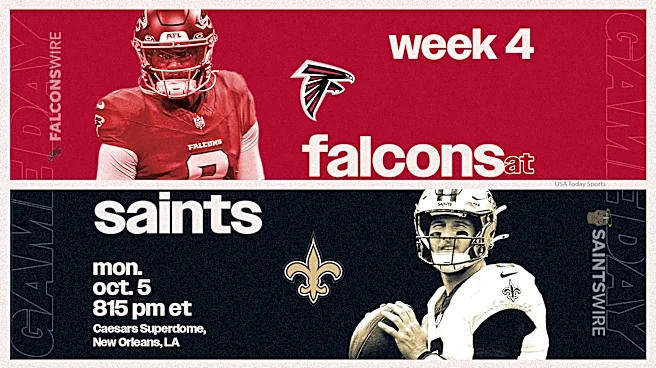
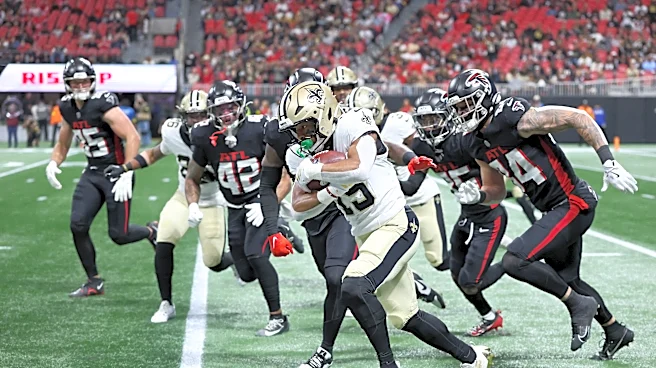
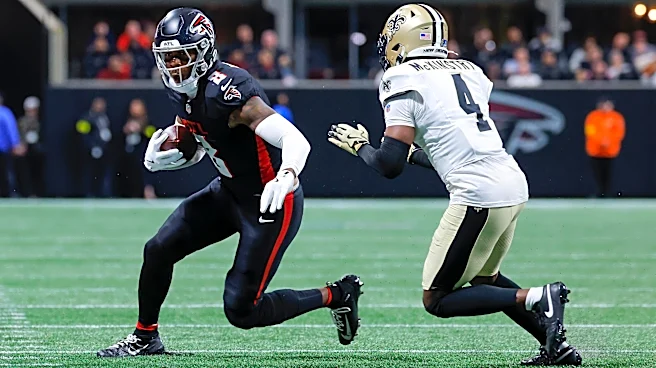
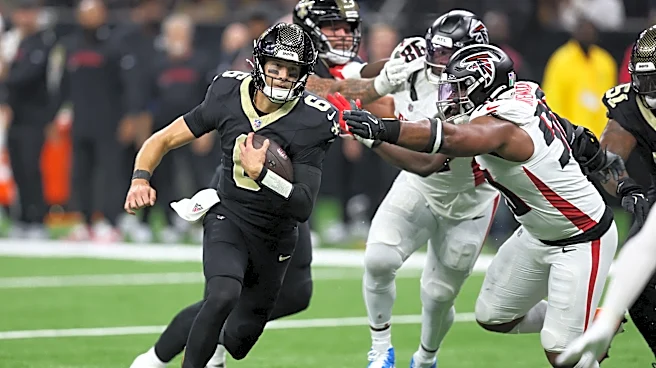
As the 20th anniversary of the Superdome's reopening approaches, the New Orleans Saints are scheduled to host the Atlanta Falcons again on "Monday Night Football," mirroring the opponent from that historic 2006 game. This upcoming game will serve as a significant commemoration, allowing a new generation to reflect on the profound meaning of that night for New Orleans. The event is expected to be emotionally charged, with pre-game ceremonies likely honoring the city's recovery and the team's role in it. For the Saints, this game presents an opportunity to not only celebrate history but also to re-establish their dominance in the Superdome, particularly given their recent home game struggles. The team will aim to deliver a victory that can serve as a springboard for a successful season, much like the 2006 win did, reinforcing the idea that a win on such a symbolic night can have a lasting impact on team morale and fan engagement.
Beyond the Headlines
The enduring narrative of the 2006 Superdome reopening extends beyond football, touching upon themes of urban resilience, community identity, and the psychological impact of disaster. Sean Payton's candid admission that the team couldn't fully grasp the event's magnitude highlights the often-underestimated role of sports in post-disaster recovery. It illustrates how a sporting event can become a collective catharsis, offering a shared experience of triumph and renewal. The symbolism of a "broken" stadium being brought back to life mirrored the city's own struggle and resurgence. This event also subtly underscores the economic and social importance of major sports franchises to their host cities, not just as entertainment providers but as integral parts of the urban fabric and engines of civic pride. The memory of that night continues to shape the identity of the Saints franchise and its deep bond with the New Orleans community, demonstrating how moments in sports can become indelible parts of a city's historical consciousness.