



What's Happening?
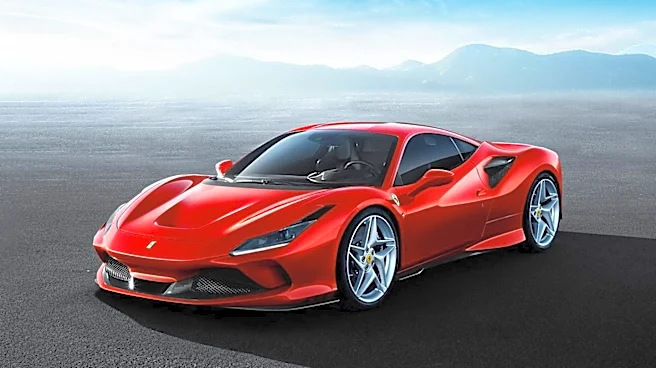
Ferrari has reported a successful second quarter with increased revenue, profitability, and industrial free cash flow. The company achieved quarterly revenue of €1.94 billion and EBITDA of €755 million, driven by a richer vehicle mix and stronger personalization
activity. Ferrari's order book now covers the full 2027 calendar year, indicating healthy demand across regions. The company has raised its full-year guidance due to better-than-expected personalization revenue and favorable foreign exchange conditions. Ferrari's Chief Executive Officer, Benedetto Vigna, emphasized the company's focus on combining heritage with innovation while maintaining scarcity and exclusivity.
Why It's Important?
Ferrari's strong performance in the second quarter highlights the growing importance of personalization in the luxury automotive market. The company's ability to increase revenue through personalized options reflects a shift in consumer preferences towards bespoke and exclusive products. This trend could influence other luxury car manufacturers to enhance their personalization offerings to meet customer demands. Additionally, Ferrari's extended order book through 2027 demonstrates robust demand, which could lead to sustained financial growth and stability for the company. The introduction of new models, including the electric Ferrari Luce, positions Ferrari to compete in the evolving automotive landscape, where electric vehicles are gaining prominence.
What's Next?
Ferrari plans to unveil two additional models before the end of the year, which could further boost its market presence and appeal to a broader customer base. The company expects higher costs in the second half of the year due to increased selling, general, and administrative expenses, as well as research and development spending. Ferrari's focus on personalization and exclusivity will likely continue to drive its strategy, potentially leading to more innovative offerings and collaborations. As the automotive industry shifts towards electric vehicles, Ferrari's introduction of the Luce model may pave the way for future electric innovations within the brand.
Beyond the Headlines
Ferrari's emphasis on personalization and exclusivity raises questions about the sustainability of luxury consumption patterns. As consumers increasingly seek unique and tailored experiences, luxury brands may face challenges in balancing exclusivity with environmental and ethical considerations. Ferrari's move towards electric vehicles with the Luce model reflects a broader industry trend towards sustainability, which could influence the company's long-term strategy and product development. The integration of new technologies and patents in the Luce model also highlights Ferrari's commitment to innovation, which may set new standards for performance and design in the luxury automotive sector.