







What's Happening?
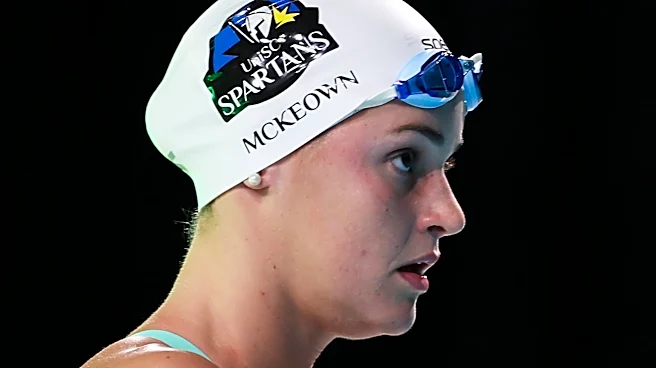
Rebecca Meder, a 24-year-old South African Olympic swimmer, has announced her intention to represent New Zealand in international competitions. This decision makes her the third swimmer from the Paris 2024 South African Olympic team to seek new national representation.
Meder has been training in New Zealand since August 2023 under Graham Hill at the North Shore Swimming Club. Hill is the current New Zealand National Team coach and a former coach of the South African National Team. Meder, a 14-time African Champion and a bronze medalist in two relays at the 2026 Commonwealth Games, will face a waiting period of at least one year from the Commonwealth Games before she is eligible to represent New Zealand internationally, meaning she will not be able to compete at next summer’s World Aquatics Championships. She has communicated her decision to the South African Olympic Committee and Swimming South Africa, stating that they parted on good terms.
Why It's Important?
Meder's decision, following similar moves by Tatjana Smith and Matthew Sates, highlights a potential trend of South African Olympic swimmers seeking opportunities to represent other nations. This exodus of top athletic talent could significantly impact South Africa's future performance in international swimming events. The athletes' motivations, which for Smith and Sates included financial concerns, suggest underlying issues within the South African sports system regarding athlete support and development. While Meder did not explicitly cite financial reasons, the collective decisions of these prominent swimmers could prompt a re-evaluation of how South Africa supports its athletes. For New Zealand, gaining a swimmer of Meder's caliber could bolster its national team, potentially improving its medal prospects in future competitions.
What's Next?
Rebecca Meder is currently in the process of obtaining New Zealand citizenship, though the timeline for this is uncertain. She will need to complete a mandatory sit-out period from international competition, which began on July 30, 2026, before she can officially represent New Zealand. This means she will be ineligible for the upcoming World Aquatics Championships. The South African sports authorities may face increased pressure to address the concerns raised by these athletes to prevent further talent drain. Meanwhile, New Zealand will integrate Meder into its national swimming program, aiming to leverage her experience and skill for future international events.
Beyond the Headlines
The departure of multiple high-profile athletes from a national team can signal deeper systemic issues beyond individual circumstances. This situation could spark a broader discussion within South Africa about national sports funding, athlete welfare, and the competitive environment provided to its elite swimmers. The trend might also encourage other athletes globally to consider changing national affiliations if they perceive better support or opportunities elsewhere. This phenomenon underscores the increasing globalization of sports and the complex decisions athletes face in balancing national pride with personal and professional aspirations. The long-term implications could include a shift in the competitive landscape of international swimming, with more athletes opting for countries that offer more robust support systems.