





What's Happening?
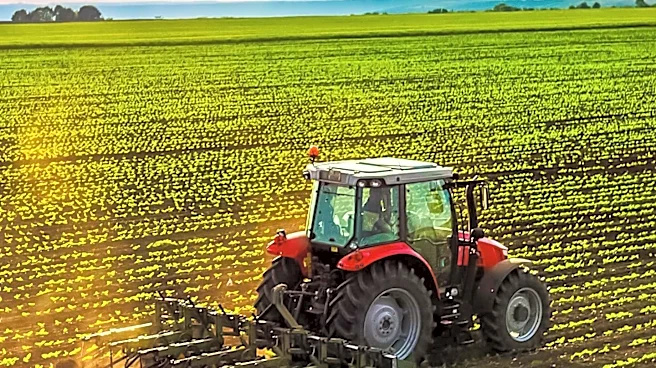
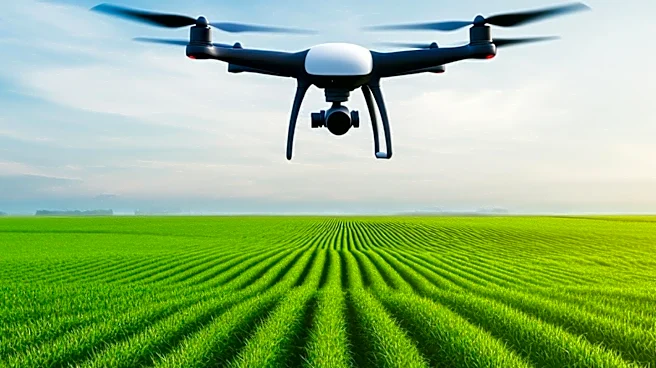
Modern farming technologies are revolutionizing agriculture by integrating multiple systems such as artificial intelligence, automation, robotics, and environmental controls. These technologies work together to create intelligent ecosystems that enhance
crop quality, increase yields, and reduce operating costs. The shift from traditional farming to data-driven, automated systems is driven by challenges like climate change, labor shortages, and rising food demand. Companies specializing in AI, automation, and environmental control systems are leading this innovation, allowing farms to become more efficient and resilient.
Why It's Important?
The integration of advanced technologies in agriculture is crucial for addressing the growing challenges faced by the industry. By adopting intelligent farming systems, U.S. farms can improve productivity and sustainability, ensuring food security in the face of climate change and resource scarcity. This technological shift also supports economic growth by creating opportunities for tech companies and reducing dependency on manual labor. As farms become more efficient, they can better meet the increasing food demand, benefiting both producers and consumers.
What's Next?
The future of agriculture lies in further integration and advancement of these technologies. Farms are expected to become more autonomous, with AI and robotics playing a larger role in decision-making and operations. Continued investment in these systems will be essential for maintaining competitiveness and adapting to future challenges. Stakeholders, including policymakers and industry leaders, will need to support this transition to ensure the agriculture sector remains robust and sustainable.