



What's Happening?
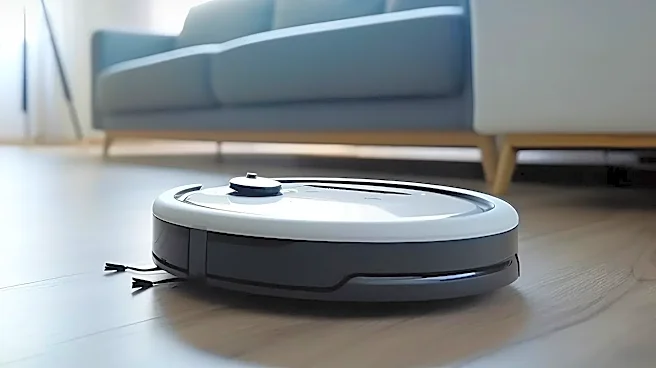
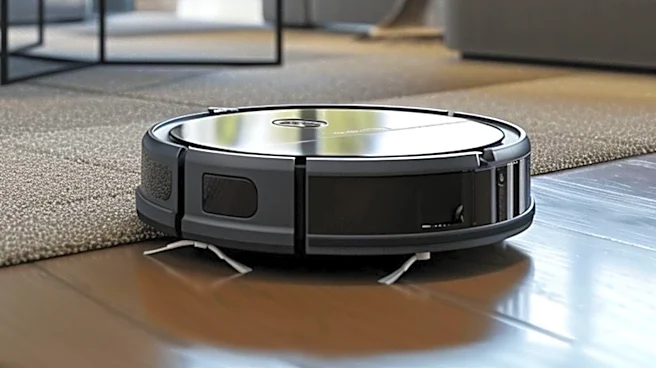
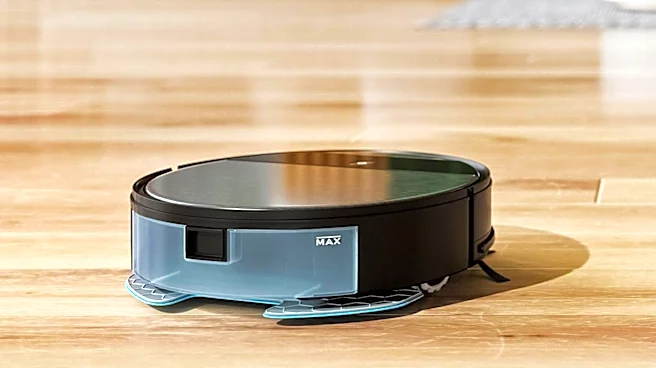
Matic Robots, a company specializing in home robotics, offers an autonomous floor-cleaning robot that combines vacuuming and mopping functionalities. This device, standing approximately eight inches tall, is noted for its quiet operation and user-friendly
design, reminiscent of Apple products in its unboxing and setup experience. After an initial 3D scan of a home, the robot largely operates autonomously, with user interaction primarily limited to replacing vacuum bags or refilling the water tank. Users can schedule cleanups and select specific rooms via an accompanying app. Despite its advanced features, the Matic robot does not entirely replace manual cleaning, as it may struggle with tougher stains and navigating intricate crevices or corners due to its shape. The product is positioned as a premium home appliance, priced at $1,500, which is significantly higher than many top-tier manual vacuums that typically cost around $500.
Why It's Important?
The introduction and evaluation of products like Matic Robots' autonomous cleaner highlight the ongoing evolution of the home robotics market and its potential impact on consumer lifestyles and household management. For consumers, these devices offer convenience and time-saving benefits, automating routine chores. However, the high price point of $1,500 for the Matic robot, compared to more powerful traditional vacuums, raises questions about value proposition and accessibility for the average household. This pricing strategy could limit its adoption to early adopters or higher-income demographics, potentially segmenting the market for home automation. The product's limitations in handling all cleaning scenarios also underscore the current technological boundaries in fully autonomous home maintenance, suggesting that human intervention remains necessary for comprehensive cleanliness. This ongoing development in robotics influences consumer expectations regarding smart home integration and the future of domestic labor.
What's Next?
As the home robotics market continues to mature, companies like Matic Robots will likely focus on refining their technology to address current limitations, such as improving stain removal capabilities and navigation in complex spaces. Future iterations may also aim to reduce manufacturing costs to make these advanced cleaning solutions more accessible to a broader consumer base. The competitive landscape will likely intensify, with other robotics firms introducing similar or more advanced products, potentially driving down prices and increasing feature sets. Consumer feedback on usability, effectiveness, and cost-effectiveness will be crucial in shaping the next generation of autonomous home appliances. Furthermore, the integration of these robots with broader smart home ecosystems could become a key differentiator, offering more seamless and centralized control over household functions.
Beyond the Headlines
The rise of sophisticated home robots like Matic's cleaner points to broader societal shifts in how we perceive and manage domestic work. As more tasks become automated, there could be a redefinition of household roles and responsibilities, potentially freeing up time for other pursuits. However, it also raises questions about the environmental impact of manufacturing and disposing of complex electronic devices, as well as the energy consumption associated with their operation. The increasing reliance on AI-driven devices in private spaces also brings forth discussions around data privacy and security, as these robots map and learn the layouts of homes. The ethical implications of automation, including potential job displacement in cleaning services, while not directly tied to a single home robot, are part of the larger conversation about the future of work in an increasingly automated world.