
What's Happening?
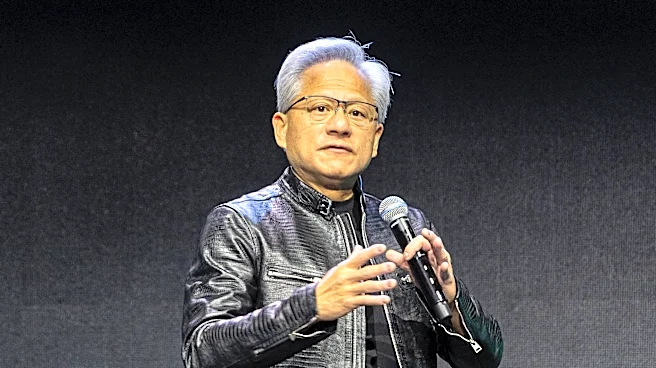
Jensen Huang has stepped down as the CEO of Nvidia following revelations of multiple affairs. The initial affair, with Alice Huang (no relation), was suspected by Nvidia and U.S. intelligence agencies
to be a 'honeypot' operation, though China denies these claims. Subsequently, The New York Times reported a second affair with Kimberly Powell, Nvidia’s Vice President of Healthcare, citing five unnamed sources. Hours after his resignation, Reuters announced a third affair with an unnamed employee. Huang, who led Nvidia for approximately 33 years, saw his net worth decrease from $162 billion to just under $136 billion, placing him below Alice Walton on the billionaire leaderboard. Despite his resignation, Huang issued a statement on November 17, expressing his willingness to return as CEO if the Board of Directors deems it in the best interest of shareholders, employees, the company, and America. He claims an 'outpouring of calls' for his return from various stakeholders, though this has not been verified.
Why It's Important?
The resignation of Jensen Huang, a long-standing and influential CEO, from Nvidia carries significant implications for the technology sector and the company's market standing. Nvidia is a major player in the semiconductor industry, particularly in graphics processing units (GPUs) crucial for AI and gaming. Huang's departure could introduce instability and uncertainty for investors and business partners, potentially affecting stock performance and future strategic directions. The allegations of a 'honeypot' affair with suspected ties to U.S. intelligence concerns also highlight potential national security risks and the vulnerability of high-profile executives to foreign influence. The substantial drop in Huang's personal net worth underscores the financial consequences of such public scandals for individuals at the helm of major corporations. The situation also raises questions about corporate governance and the board's role in managing executive conduct and succession planning.
What's Next?
Following Jensen Huang's resignation, the immediate focus will be on Nvidia's Board of Directors and their response to his statement regarding a potential return. A public petition on 'standwithjensen.com' advocating for his reinstatement has garnered over 196,000 signatures, with 102,000 reportedly from Nvidia shareholders. While this indicates significant support from a segment of stakeholders, the Board has yet to comment on whether they will consider bringing Huang back. The company will need to address leadership continuity and reassure investors and employees about its future direction. Further investigations into the alleged 'honeypot' affair and its potential national security implications could also unfold, potentially involving U.S. intelligence agencies. The ongoing developments will likely influence Nvidia's stock performance and its competitive position in the rapidly evolving technology market.
Beyond the Headlines
The scandal surrounding Jensen Huang extends beyond corporate leadership and financial implications, touching upon broader themes of corporate ethics, national security, and the personal lives of public figures. The 'honeypot' allegation, if substantiated, could trigger a re-evaluation of security protocols for executives in critical technology sectors, especially concerning potential foreign espionage. This incident might also prompt discussions within corporate boards about the scope of executive oversight and the impact of personal conduct on corporate reputation and stability. The public's reaction, as evidenced by the petition for Huang's return, highlights the complex relationship between a charismatic leader and a company's identity, even in the face of personal controversies. This event could set a precedent for how major tech companies handle similar situations, influencing future corporate governance practices and the public perception of executive accountability.