



What's Happening?
Senegal officially relaunched the Falémé iron ore exploitation project in the Kédougou region on Thursday, November 26, 2026. President Bassirou Diomaye Faye presided over the laying of the first stone in Koudékourou. The Emirati group Planet One, in partnership
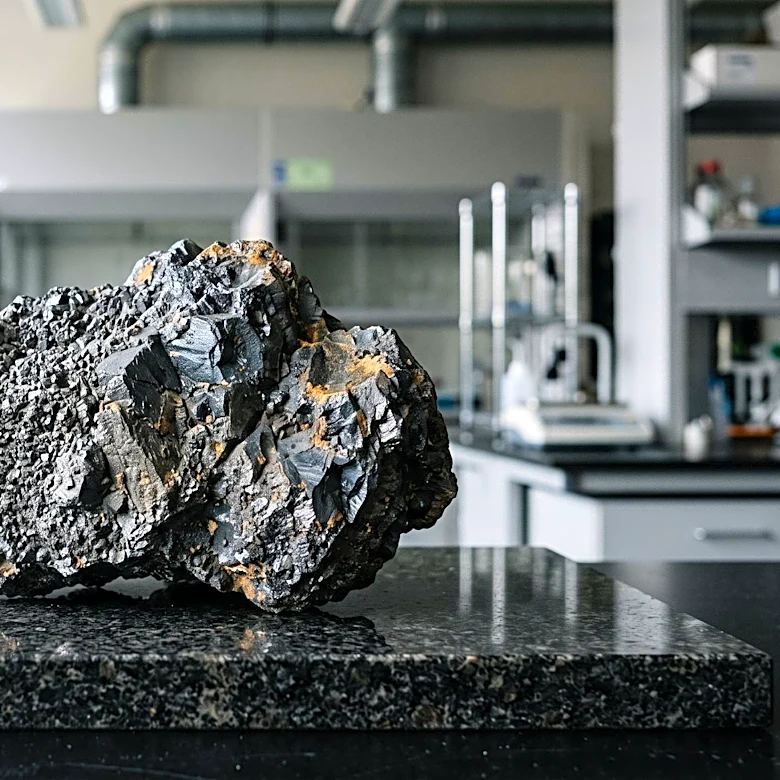
with the Eastern Senegal Iron Mining Company (MIFERSO), plans to invest $933 million in the development of this project. The project targets the Koudékourou, Goto, and Farangalia deposits, which are estimated to hold 600 million tons of iron ore. Planet One will hold an 80% stake in the project company, with the Senegalese state and MIFERSO each holding 10%. The financing structure will consist of 40% equity and 60% debt. The initial phase, estimated at $200 million, will fund extraction facilities, equipment, and essential road and rail infrastructure, with initial production expected within 12 to 18 months.
Why It's Important?
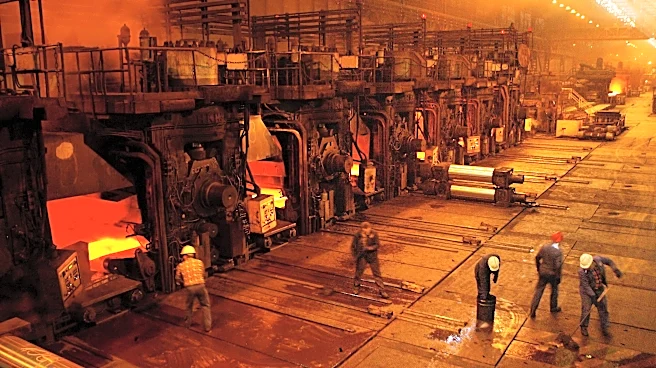
This project signifies a major step for Senegal towards developing an integrated steel industry, moving beyond mere raw material extraction. By planning to transform a portion of the ore within Senegal into direct-reduced iron for steel production, the country aims to add significant value to its natural resources. This strategy is expected to create over 1,200 direct and indirect jobs, contributing to economic growth and industrialization. The reliance on Senegal's gas resources to power future industrial facilities also highlights a strategic approach to leveraging domestic energy sources for industrial development. The project's success could serve as a model for other African nations seeking to maximize the economic benefits of their mineral wealth through local processing and manufacturing.
What's Next?
The initial production phase is anticipated to yield between 3 and 5 million tons of ore per year, with a long-term goal of reaching 10 million tons per year. MIFERSO's strategy includes developing crucial transport infrastructure, such as a railway connection between Tambacounda and Falémé, and a mineral port project at Bargny-Sendou, which are integral to the iron sector's development program. Concurrently, the department of Saraya continues its efforts against illegal gold mining, with a decree suspending mining activities along a 500-meter strip of the river until June 30, 2027. The successful implementation of the Falémé project will depend on effective project management, securing the necessary financing, and navigating environmental and social considerations.
Beyond the Headlines
The Falémé iron project represents a broader shift in resource-rich nations towards greater control and value addition within their borders. By aiming for an integrated steel industry, Senegal is seeking to capture more of the value chain, rather than simply exporting raw materials. This approach has implications for global commodity markets, potentially reducing reliance on imported steel and fostering regional industrial development. The project also underscores the ongoing challenge of managing both large-scale industrial mining and artisanal, often illegal, mining activities, as evidenced by the continued fight against illegal gold mining in the region. The success of this venture could inspire similar initiatives across Africa, promoting economic diversification and sustainable industrial growth.