






What's Happening?
Many individuals are successfully cultivating full vegetable harvests in small yards, balconies, and paved areas by utilizing pots, grow bags, and various containers instead of traditional in-ground garden beds. This approach is particularly beneficial
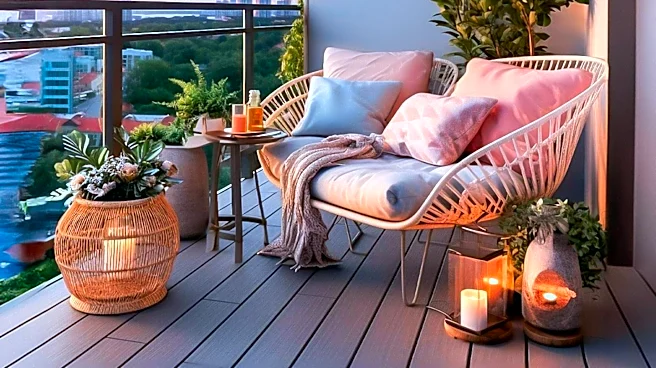
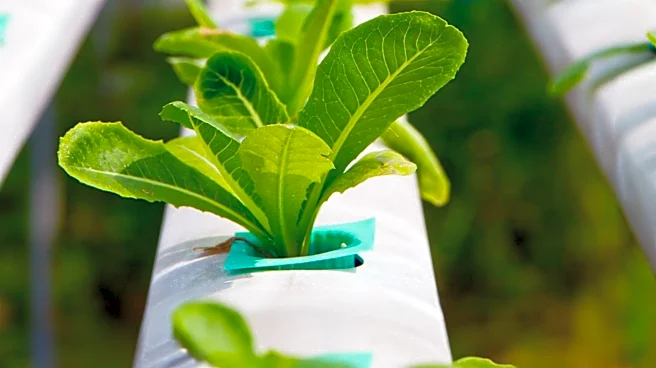
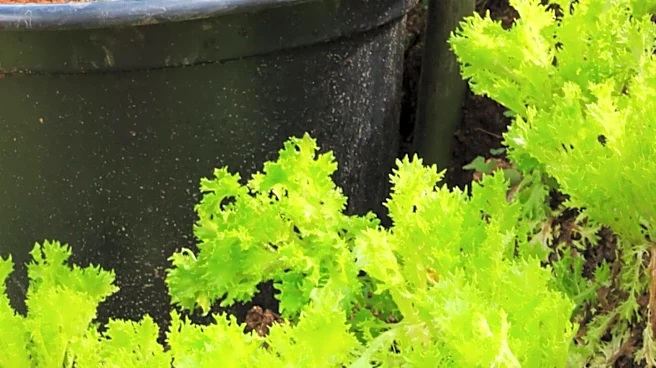
for those with limited space, unsuitable soil, or rental restrictions. Examples include elevated balcony planters for tomatoes and lettuce, indoor grow racks for seedlings and herbs, and vertical trough planters with trellises for vining crops like bitter gourd. Simple setups, such as three nursery pots with tomato cages, demonstrate that significant yields are achievable with minimal infrastructure. The flexibility of container gardening allows for easy relocation of plants to optimize sunlight exposure and enables renters to take their gardens with them when they move. This method also incorporates creative solutions like using cinder blocks as plant risers and repurposing buckets as pots, showcasing adaptability and resourcefulness in urban and suburban environments.
Why It's Important?
The widespread adoption of container gardening in small yards across the U.S. is democratizing access to fresh produce, particularly in urban and densely populated areas where traditional gardening space is scarce. This trend empowers individuals and families to grow their own food, contributing to healthier diets and potentially reducing grocery expenses. For the U.S. food system, it signifies a move towards localized food production, lessening reliance on large-scale agriculture and its associated transportation costs and environmental impacts. It also fosters community resilience by enabling more people to engage in self-sufficiency. Furthermore, this approach can transform underutilized spaces, such as balconies, driveways, and rooftops, into productive green areas, enhancing urban aesthetics and contributing to local biodiversity. The innovation in container gardening techniques also creates a market for specialized products, from grow bags to portable gardening benches, stimulating a niche segment of the horticultural industry.
What's Next?
The continued popularity of small-space and container gardening is expected to drive further innovation in gardening products and urban planning. We may see an increase in modular gardening systems, self-watering containers, and compact vertical gardening solutions designed for efficiency and ease of use. Educational resources and community workshops focusing on container gardening techniques are likely to expand, catering to a growing interest in urban agriculture. Local governments and housing developers might begin to incorporate dedicated spaces for container gardens in new residential projects, recognizing their value for residents' well-being and sustainability. Additionally, the sharing economy could see a rise in platforms for exchanging gardening tips, surplus produce, and even container garden setups. The trend may also influence seed companies to offer more varieties suitable for container growing, emphasizing compact growth habits and high yields in limited spaces.
Beyond the Headlines
Beyond its practical benefits, the movement to cultivate edible gardens in small spaces reflects a deeper societal yearning for connection with nature and a more sustainable lifestyle. In an era of increasing urbanization and digital immersion, gardening offers a tangible, hands-on activity that can reduce stress and improve mental health. It also fosters a sense of accomplishment and self-reliance, empowering individuals to take control over a portion of their food supply. This trend challenges the traditional perception of what a 'garden' entails, demonstrating that productive green spaces are not exclusive to large suburban or rural properties. It encourages creativity and problem-solving, as gardeners adapt to their unique spatial constraints. Moreover, it can spark conversations about food origins, environmental impact, and the importance of local food systems, potentially influencing broader consumer choices and advocating for more sustainable practices within the larger agricultural industry.