







What's Happening?
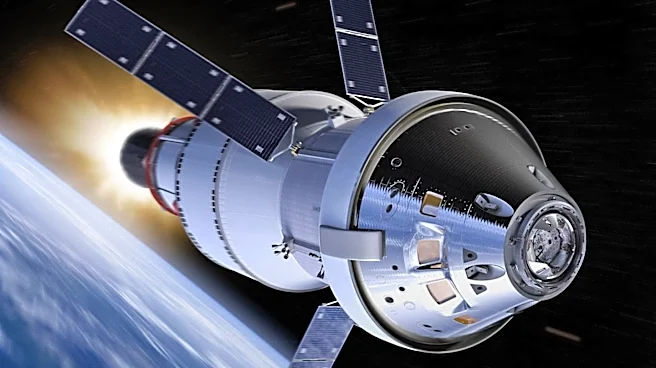
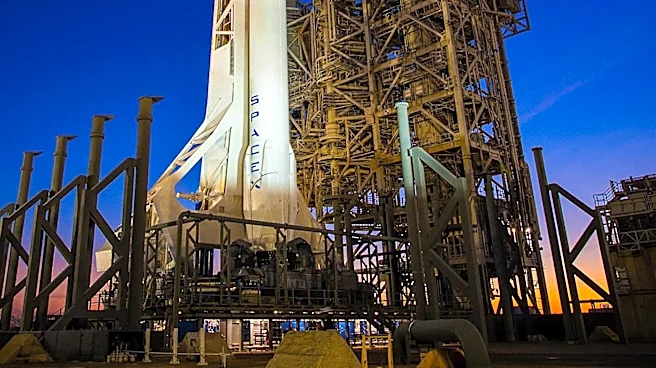
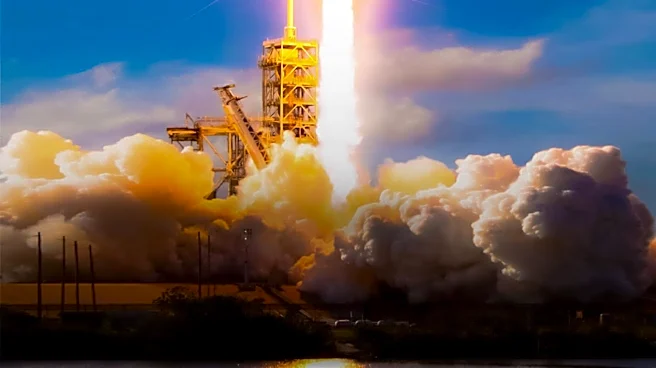
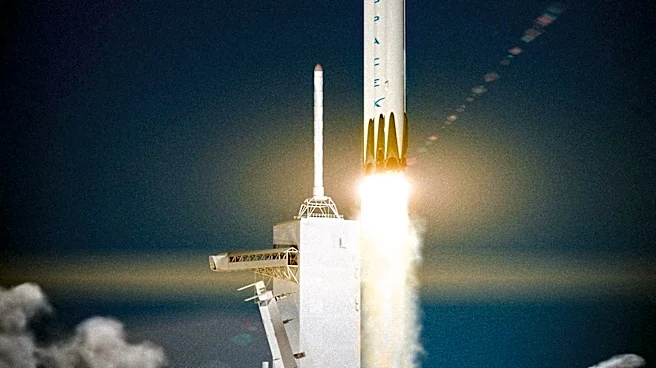
On July 21, SpaceX successfully launched a Falcon 9 rocket carrying a test vehicle for satellite servicing into orbit. The launch took place at 5:15 p.m. Eastern Daylight Time from Cape Canaveral Space Force Station in Florida. The mission, named MRV-MEV,
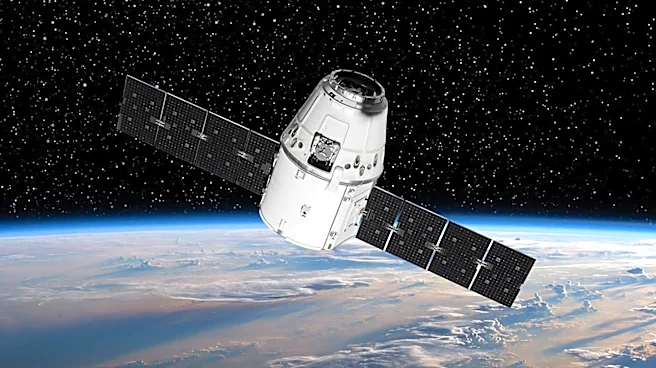
involved deploying the Mission Robotic Vehicle and three Mission Extension Pods (MEP) modules, operated by SpaceLogistics, a subsidiary of Northrop Grumman. The MRV is equipped with two robotic manipulators designed to attach the MEP modules to satellites in geostationary orbit, thereby extending their operational life. This mission marks a significant step in satellite maintenance technology, aiming to enhance the longevity and functionality of existing satellites.
Why It's Important?
The successful launch of the Falcon 9 rocket with a satellite servicing vehicle represents a major advancement in space technology, particularly in the field of satellite maintenance. By extending the operational life of satellites, this mission could significantly reduce the need for launching new satellites, thereby saving costs and resources. This development is crucial for industries reliant on satellite technology, such as telecommunications, weather forecasting, and global positioning systems. Additionally, the U.S. Space Force's contract with SpaceX to create a secure satellite communications network underscores the strategic importance of maintaining and upgrading satellite infrastructure for national security and global connectivity.
What's Next?
Following this successful launch, SpaceX and SpaceLogistics are likely to continue developing and refining satellite servicing technologies. The deployment of the first three MEP modules sets a precedent for future missions aimed at enhancing satellite capabilities. Stakeholders in the aerospace industry, including government agencies and private companies, may increase investments in similar technologies to ensure the sustainability and efficiency of satellite operations. The U.S. Space Force's ongoing collaboration with SpaceX could lead to further advancements in military and civilian satellite communications networks.