


What's Happening?
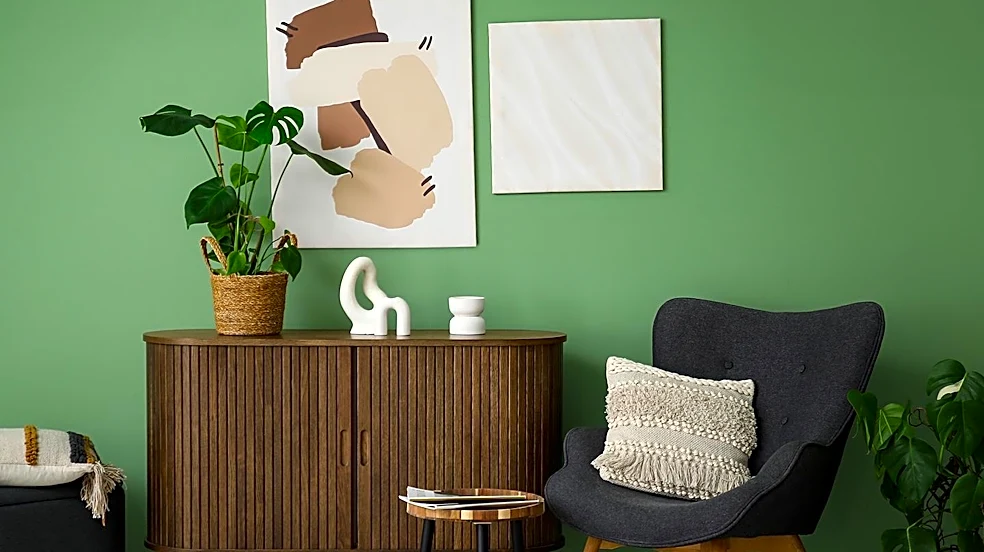
Gallery walls provide a versatile approach to home decoration, allowing individuals to replace or update individual images over time. This method requires careful consideration of various elements, including frame choices, spacing between pieces, and
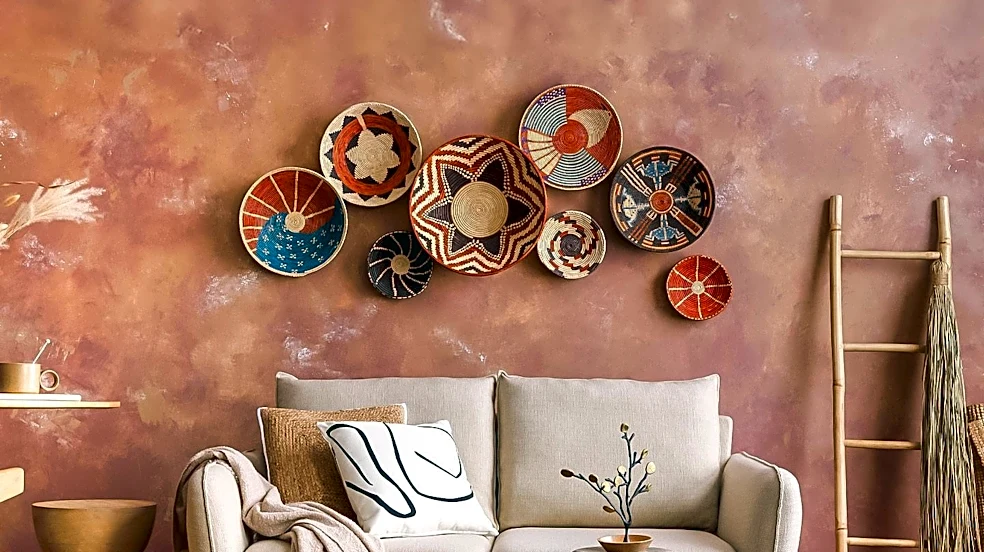
the overall balance of images to create a cohesive display. They are particularly well-suited for showcasing personal photographs and interchangeable art prints. For smaller gallery walls, it is recommended to focus on a limited number of connected images, typically three to five, using a restrained color palette and ensuring sufficient empty wall space to prevent a cluttered appearance. The flexibility of gallery walls extends to mixed media applications, where abstract prints can be combined with photographs, mirrors, sculptural elements, or personal memorabilia to create a dynamic and personalized aesthetic. This approach offers a significant advantage for those who value the ability to refresh their decor without overhauling an entire display.
Why It's Important?
The increasing popularity of gallery walls reflects a broader trend in home decor towards personalization and adaptability. This method empowers consumers to curate their living spaces in a way that evolves with their tastes and experiences, moving away from static, single-piece art installations. For the home furnishings and art retail industries, this trend signifies a demand for diverse, affordable, and easily interchangeable art options, as well as a market for various framing and hanging solutions. It also highlights the importance of design flexibility for renters, who often face restrictions on wall alterations. The emphasis on thoughtful arrangement and balance within a gallery wall encourages a more engaged and creative approach to interior design, potentially boosting sales of smaller, complementary decor items and fostering a culture of continuous home styling. This shift impacts manufacturers and retailers to offer modular and customizable products that cater to this dynamic decorating preference.
What's Next?
As the trend for flexible and personalized home decor continues, we can anticipate further innovations in products and services supporting gallery wall creation. This may include the development of more user-friendly hanging systems, digital tools for planning gallery layouts, and curated collections of art prints designed for easy mixing and matching. Retailers might offer bundled packages that include frames, prints, and layout guides to simplify the process for consumers. Additionally, interior design services could increasingly incorporate gallery wall planning as a core offering, providing expert guidance on achieving balanced and aesthetically pleasing displays. The focus will likely remain on solutions that offer both creative freedom and practical considerations, such as renter-friendly options that minimize wall damage and allow for frequent changes.
Beyond the Headlines
The rise of gallery walls extends beyond mere aesthetic preference, touching upon deeper psychological and cultural aspects of home and identity. In an era of constant digital content consumption, gallery walls offer a tangible, curated reflection of personal narratives and memories, transforming living spaces into dynamic autobiographical displays. This trend also subtly challenges traditional notions of art ownership and display, moving from singular, often expensive, statement pieces to more accessible, democratic, and evolving collections. The act of curating a gallery wall can be seen as a form of self-expression and a creative outlet, fostering a sense of agency and connection to one's environment. Furthermore, the emphasis on integrating diverse media and personal memorabilia within a gallery wall blurs the lines between art, craft, and personal history, enriching the domestic landscape with layers of meaning and sentiment.