






What's Happening?
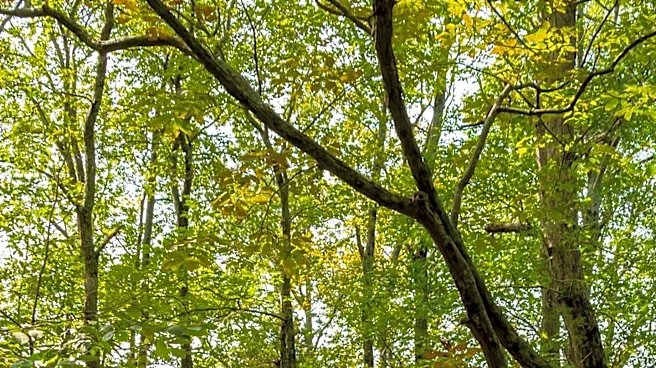
Wisconsin has certified its first forest bathing trail, the Tara Lila Forest Bathing Trail, located near Eagle River. This initiative introduces the Japanese wellness practice of Shinrin-yoku, or forest bathing, to the state. Cindy Conlon, a certified forest therapy
guide, leads participants through the trail, emphasizing an immersive experience in nature designed to promote presence and connection with the forest. The practice, coined in 1982 by Tomohide Akiyama of Japan’s Ministry of Agriculture, Forestry, and Fisheries, aims to offer healthy alternatives to combat rising rates of depression and stress. The Tara Lila trail is among approximately 50 worldwide certified by the Association of Nature and Forest Therapy Guides and Programs. Participants engage in guided activities that encourage sensory exploration, such as observing sights, sounds, and smells, and walking silently to foster a deeper connection with their surroundings. The program highlights the importance of slowing down and appreciating nature's subtle details.
Why It's Important?
The certification of Wisconsin's first forest bathing trail signifies a growing recognition of nature-based wellness practices in the U.S. healthcare landscape. Studies have indicated that forest bathing can significantly reduce blood pressure, lower stress hormones, and improve sleep quality. This is particularly relevant in a society where chronic stress is prevalent and linked to serious health issues like heart disease and stroke. For individuals like Heather Fletcher, who experienced a stroke, forest bathing offers a crucial method for resetting the central nervous system and finding balance amidst overwhelming stimuli. The practice provides an accessible and cost-effective approach to preventative healthcare, offering an alternative to traditional stress management techniques. By encouraging individuals to disconnect from daily pressures and reconnect with nature, these trails can contribute to improved mental and physical well-being, potentially reducing the burden on conventional healthcare systems.
What's Next?
The establishment of Wisconsin's first certified forest bathing trail is likely to inspire similar initiatives across the U.S., as communities seek innovative ways to promote public health and well-being. The success of the Tara Lila trail could lead to increased interest in and demand for certified forest therapy guides and the development of more nature-based wellness programs. Organizations like the Association of Nature and Forest Therapy Guides and Programs may see a rise in certifications for new trails and guides. Furthermore, the positive outcomes reported by participants, such as reduced stress and improved balance, could encourage healthcare providers and employers to explore integrating forest bathing into wellness programs. This trend could also foster greater collaboration between environmental conservation groups and public health organizations, emphasizing the dual benefits of preserving natural spaces and promoting human health.
Beyond the Headlines
The emergence of forest bathing trails in the U.S. reflects a broader cultural shift towards holistic health and a re-evaluation of our relationship with the natural world. In an increasingly urbanized and technology-driven society, practices like Shinrin-yoku highlight the intrinsic human need for connection with nature, often referred to as biophilia. This movement challenges the conventional view of nature as merely a resource or a backdrop for recreation, instead positioning it as an essential component of human health and resilience. The emphasis on sensory engagement and mindful presence in forest bathing encourages a deeper appreciation for ecological systems and may foster a greater sense of environmental stewardship. Ethically, it raises questions about equitable access to natural spaces, particularly for urban populations, and the potential for nature-based therapies to address health disparities. Culturally, it represents an integration of ancient wisdom and modern scientific understanding, bridging traditional Japanese practices with contemporary wellness trends.