






What's Happening?
A new generation of AI millionaires in San Francisco is significantly influencing the luxury real estate market, shifting preferences from traditional amenities like wine cellars to advanced wellness features. Brokers and designers in the Bay Area report
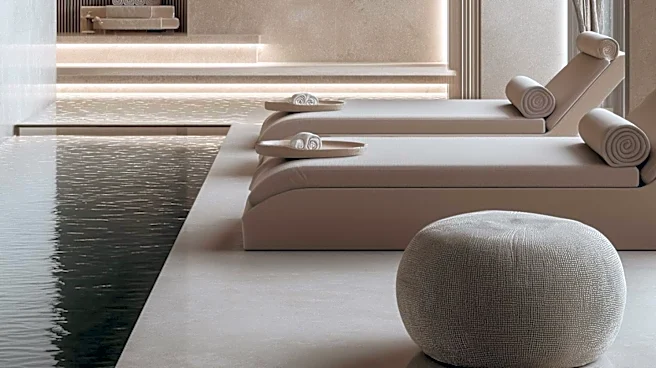
a surge in demand for homes equipped with saunas, cold plunges, red-light therapy, private gyms, and libraries. This trend reflects a desire among tech executives for natural materials, calm interiors, and spaces that facilitate unplugging from technology. The market is experiencing what one veteran San Francisco broker described as the 'hottest market' she has seen in 25 years, with a 'tsunami' of AI money driving demand. This phenomenon extends beyond founders and employees of companies like OpenAI, encompassing a broader 'wealth effect' among investors and tech workers whose portfolios are heavily exposed to AI-related companies. The demand for these specific wellness amenities is so high that clients are increasingly asking for existing wine rooms to be converted into spas or saunas.
Why It's Important?
This shift in luxury real estate preferences among AI executives highlights a broader cultural and lifestyle trend within the affluent tech community. It signifies a growing emphasis on personal well-being, mental decompression, and a conscious effort to create environments that offer respite from the high-stress, technology-intensive nature of their work. The demand for 'low-tech' homes with wellness features suggests a counter-movement to the pervasive integration of smart home technology, indicating a desire for simplicity and natural elements. This trend impacts the U.S. real estate market by driving up prices for properties that can accommodate these amenities and influencing architectural and interior design trends in luxury housing. It also creates new business opportunities for companies specializing in high-end wellness installations, with residential sauna projects alone ranging from $40,000 to $100,000. The rapid influx of AI-generated wealth is reshaping urban landscapes and consumer expectations in the luxury sector, particularly in tech hubs like San Francisco.
What's Next?
The continued influx of wealth from the AI sector is expected to sustain the high demand for luxury properties with wellness amenities in San Francisco and potentially other tech-centric regions. Real estate developers and designers will likely adapt to these evolving preferences, incorporating saunas, cold plunges, and other wellness features into new luxury constructions and renovations. The market may see an increase in specialized contractors and designers focusing on creating these bespoke wellness spaces. Furthermore, the use of AI in the design process itself is anticipated to grow, with clients already using ChatGPT-generated renderings to accelerate project timelines. This could lead to faster design iterations but also presents challenges in matching the speed of digital design with the physical realities of construction and custom craftsmanship. The competition for suitable properties is expected to remain intense, given the limited supply of mansions in San Francisco, potentially pushing prices even higher.
Beyond the Headlines
The preference for 'low-tech' luxury homes among AI executives reveals a deeper societal commentary on the relationship between technology and well-being. Despite being at the forefront of technological innovation, these individuals are seeking environments that offer a deliberate escape from digital saturation. This trend underscores a growing awareness of the psychological and physiological impacts of constant connectivity and the value placed on spaces that promote mindfulness and physical health. It also highlights a shift in the definition of luxury, moving beyond ostentatious displays of wealth to a more understated, experience-focused approach characterized by 'quiet luxury.' The irony of tech leaders seeking to decompress from technology in their personal lives suggests a potential future where digital detox and wellness become increasingly intertwined with high-end living, influencing broader consumer trends and the design of future residential spaces. This could also spark discussions about work-life balance and the role of technology in fostering or hindering personal well-being.