







What's Happening?
Norton Rose Fulbright has published an article examining the evolving regulatory frameworks for tokenized financial assets in the United States and Canada. The article highlights the transition from experimental pilot programs to early commercial adoption
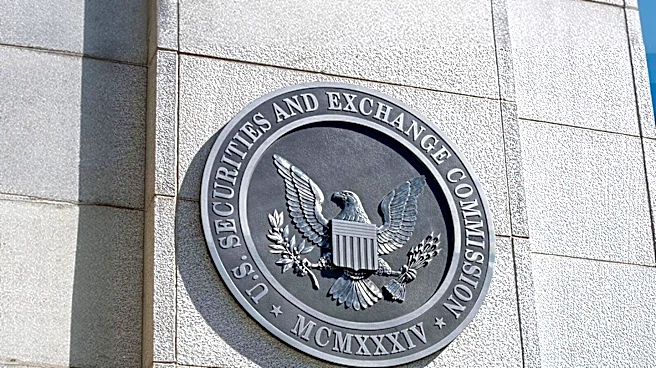
of tokenized assets. In the U.S., federal banking agencies have adopted a technology-neutral approach, while the Commodity Futures Trading Commission (CFTC) and the Securities and Exchange Commission (SEC) have issued guidance on the use of tokenized assets as collateral and the classification of tokenized securities. In Canada, initiatives like Project Samara and new digital asset custody frameworks are being explored. The article notes differences in regulatory maturity between the two countries and identifies gaps in both regimes.
Why It's Important?
The analysis by Norton Rose Fulbright is significant as it sheds light on the regulatory landscape for tokenized financial assets, which are becoming increasingly relevant in capital markets. The guidance from U.S. and Canadian regulators is crucial for financial institutions and investors navigating the complexities of digital asset markets. The article underscores the importance of regulatory clarity and cross-agency coordination in fostering a stable environment for the adoption of tokenized assets. This development could impact financial markets by influencing how digital assets are used as collateral and how they are integrated into existing financial systems.