



What's Happening?
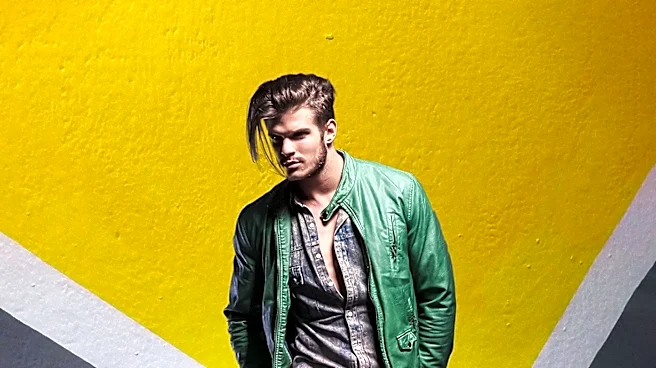
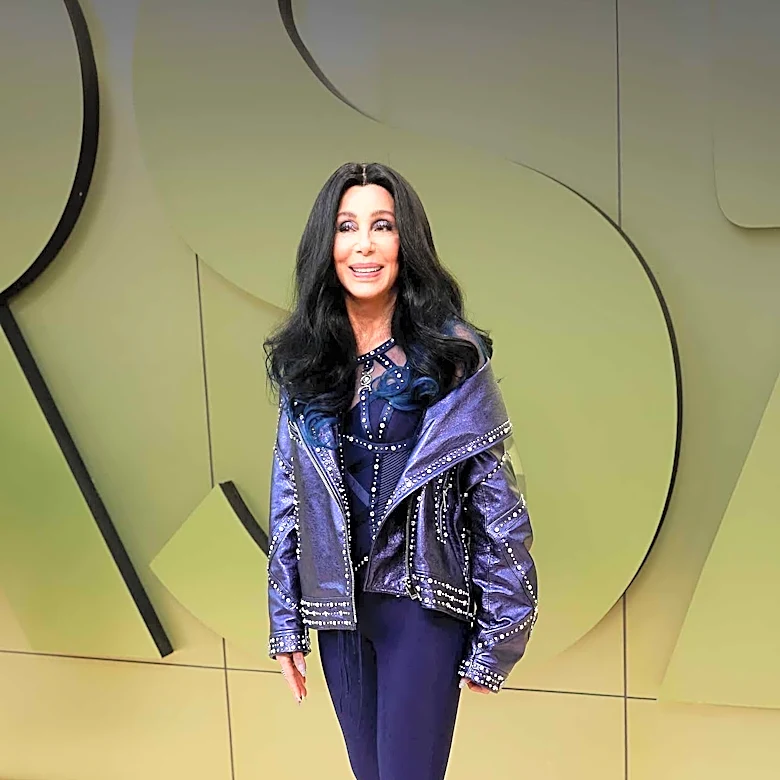
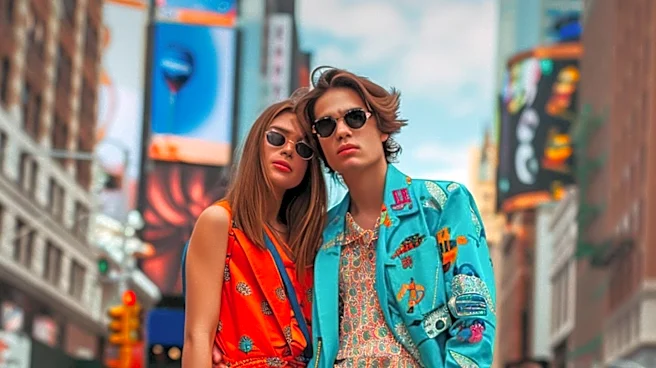
Gen Z men's fashion is characterized by a mix-and-match mentality, blending vintage styles from the 70s, 80s, 90s, and 2000s with contemporary elements. This generation, generally born between 1997 and 2012, prioritizes comfort and a laid-back, casual
vibe, moving away from a single, uniform aesthetic. Key trends include relaxed and oversized silhouettes, graphic styles, utility trousers, denim, and retro-inspired wear. Instead of recreating entire decades, Gen Z men often take one noticeable element from a vintage era and pair it with current season clothes. This approach emphasizes experimentation with styling, playful proportions, and a merging of aesthetics from different stylistic eras, creating a unique and personalized look.
Why It's Important?
This trend in Gen Z men's fashion signifies a significant shift in consumer behavior and market demand within the U.S. apparel industry. The rejection of a singular aesthetic and the embrace of personalized, mixed styles mean that fashion brands and retailers must adapt their offerings to cater to this diverse preference. There's a growing demand for versatile pieces that can be easily integrated into various looks, as well as a renewed interest in vintage and retro-inspired clothing. This could lead to increased sales in second-hand markets, vintage boutiques, and brands that specialize in reimagining classic styles. Furthermore, the emphasis on comfort and relaxed fits reflects a broader cultural movement towards practicality and authenticity in everyday wear. Brands that can successfully tap into this mix-and-match mentality and offer gender-inclusive or versatile collections are likely to gain a competitive edge in the evolving fashion landscape.
What's Next?
The continued influence of Gen Z on fashion trends suggests that the industry will see a sustained focus on individuality, sustainability (through vintage and upcycled fashion), and comfort. Retailers and designers are likely to further explore collaborations with vintage markets and develop collections that offer modular, adaptable pieces. We can expect to see more brands incorporating elements from different decades into their contemporary designs, moving away from strictly seasonal trends. The emphasis on relaxed and oversized fits will likely continue to dominate casual wear, while the demand for utility-inspired clothing may also grow. Fashion marketing will need to reflect this diverse approach, showcasing how individual pieces can be styled in multiple ways rather than promoting head-to-toe looks. This trend also indicates a potential for increased customization options and a greater emphasis on personal styling services to help consumers navigate the vast array of available styles.
Beyond the Headlines
The Gen Z fashion trend of mixing vintage and modern styles carries deeper cultural and economic implications. Culturally, it reflects a generation that is highly connected to the past through digital archives and social media, allowing them to draw inspiration from diverse historical periods. This 'nostalgia' is not about reliving a specific era but rather about curating a personal identity through selective appropriation. Economically, this trend could further boost the circular economy in fashion, as vintage and second-hand clothing become more desirable and integrated into mainstream wardrobes. It also challenges the traditional fast-fashion model by encouraging consumers to invest in versatile, timeless pieces that can be reinterpreted over time. The focus on comfort and individuality also speaks to a broader societal shift towards authenticity and self-expression, where clothing is seen as a tool for personal narrative rather than strict adherence to trends or social norms. This could lead to a more inclusive and less prescriptive fashion industry overall.