



What's Happening?
The Rolex Monterey Motorsports Reunion is set to celebrate Japanese motorsport history with a significant exhibition at WeatherTech Raceway Laguna Seca from August 12-15. This event will feature over 40 historic race cars and two dozen motorcycles, marking
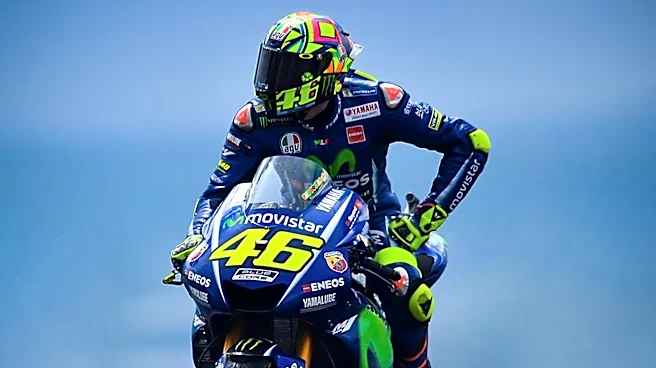
the largest tribute to Japanese motorsports in the event's 52-year history. The exhibition will include iconic vehicles such as the 1991 Mazda 787B, the first Japanese car to win Le Mans, and the 2018 Toyota GAZOO Racing TS050 Hybrid. Additionally, motorcycles from Honda, Suzuki, and Yamaha, ridden by legends like Wayne Rainey and Kenny Roberts, will be showcased. The event will also honor the late Nicky Hayden, a MotoGP world champion, with his championship-winning Honda bike.
Why It's Important?
This exhibition underscores the significant impact Japanese manufacturers have had on global motorsports, from Formula 1 to endurance racing. By highlighting these achievements, the event not only celebrates past successes but also enhances the recognition of Japanese brands in the collector car and vintage racing communities. This could potentially boost interest and investment in Japanese automotive history, influencing both the market for vintage vehicles and the cultural appreciation of Japanese engineering prowess. The event also serves as a platform for fostering international motorsport relations and promoting the legacy of Japanese innovation in racing.
What's Next?
Following the exhibition, there may be increased interest in Japanese motorsport history, potentially leading to more events and exhibitions focused on this theme. Collectors and enthusiasts might seek to acquire or restore Japanese racing vehicles, further driving the market. Additionally, the event could inspire current and future generations of engineers and racers to draw from Japan's rich motorsport heritage, possibly influencing future designs and technologies in the industry.
Beyond the Headlines
The celebration of Japanese motorsport at such a prestigious event highlights the broader cultural exchange and mutual appreciation between Japan and the international racing community. It also reflects a growing trend of recognizing diverse contributions to global sports, which can lead to a more inclusive and comprehensive understanding of motorsport history. This recognition may encourage other countries to showcase their unique contributions to the sport, fostering a more diverse and enriched motorsport culture worldwide.