

What's Happening?
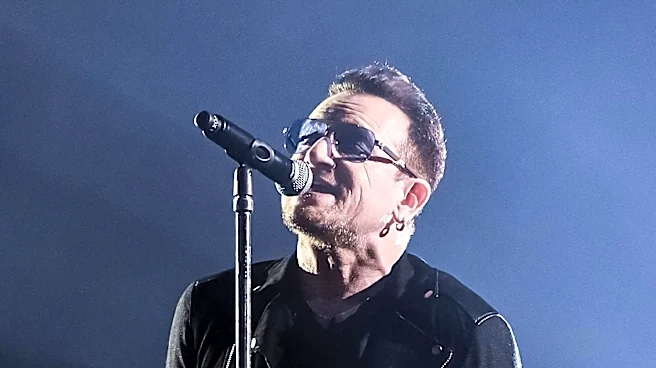
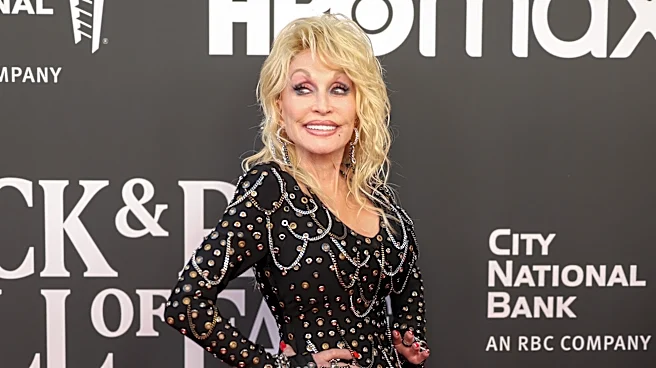
U2 has released their 16th studio album, "Carnaval De Luz," marking their first collection of new songs in nine years. The album includes a song titled "The Mirror Maker (Rosalía)" and features a significant contribution from the late Dolly Parton on the album's
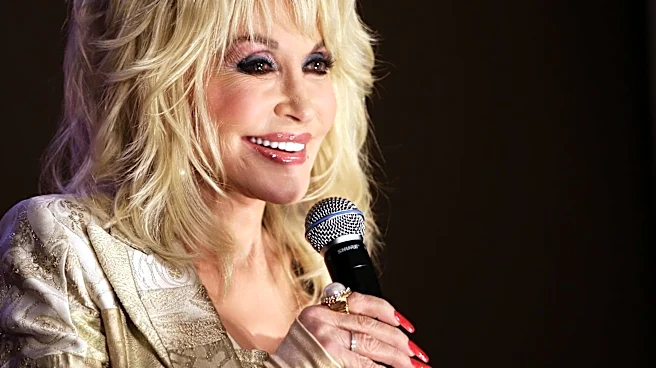
closer, "Torn." Parton co-wrote "Torn" with U2 and Johnny McDaid, recording her vocals in Nashville in June of this year. This recording is confirmed as her final vocal performance before her death. The song was produced by Jacknife Lee and includes Daniel Lanois on pedal steel. A separate country version of "Torn," co-produced by Kent Wells, is also available for streaming but is not on the album. U2 has been actively promoting the album, discussing its themes and their collaboration with Parton during recent press appearances, including an interview with NME and an appearance on Jimmy Kimmel.
Why It's Important?
The release of "Carnaval De Luz" is a notable event in the music industry, particularly due to the inclusion of Dolly Parton's final recorded vocal performance. This collaboration adds significant emotional weight and historical value to the album, potentially drawing a wider audience, including fans of both U2 and Parton. Parton's involvement, especially in a song described as a "prayer" for America amidst divided politics, could resonate deeply with listeners, offering a message of unity and common purpose. The album's themes, as discussed by Bono, touch upon societal divisions, making the music relevant to current social and political landscapes. The blend of U2's rock style with Parton's country influence, described as "sci-fi country," also represents an interesting artistic fusion that could influence future musical collaborations and genre experimentation.
What's Next?
Following the album's release, U2 is expected to continue their promotional activities, which may include further interviews, live performances, and potentially a tour to support "Carnaval De Luz." The album's reception, particularly the track featuring Dolly Parton, will likely be a major topic of discussion among music critics and fans. The message of unity and reconciliation embedded in "Torn" could spark broader conversations about political and social divisions, especially as Bono indicated it was Parton's "last prayer" for America. The availability of both the album version and a country version of "Torn" suggests that the song may be promoted across different musical genres, potentially reaching diverse audiences and extending its impact.
Beyond the Headlines
The collaboration between U2 and Dolly Parton on "Torn" transcends a typical musical partnership, carrying profound symbolic weight as Parton's final recording. Bono's interpretation of the song as Parton's "last prayer" for America, addressing divided politics and the pain of familial conflict, elevates its significance beyond entertainment. It suggests a poignant commentary on the state of the nation, delivered by an iconic figure known for her unifying presence. This artistic statement could serve as a cultural touchstone, prompting reflection on themes of peace, reconciliation, and the human cost of division. The blend of U2's global rock appeal with Parton's deeply rooted American identity creates a unique cultural artifact that might be analyzed for its artistic merit and its social commentary for years to come.