





What's Happening?
The U.S. Federal Reserve has decided to keep interest rates steady at 3.5% to 3.75%, despite inflationary pressures exacerbated by President Trump's conflict with Iran. This marks the fifth consecutive meeting where rates have remained unchanged. However,
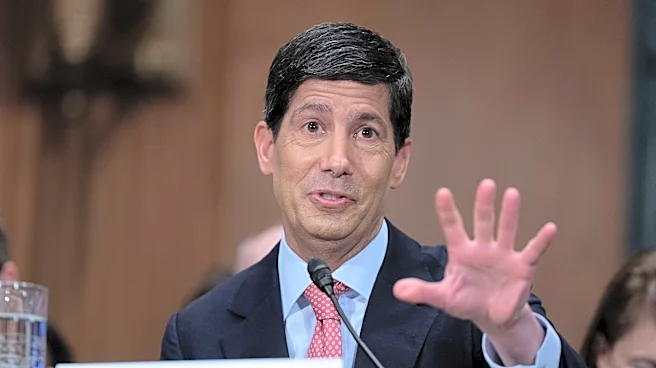
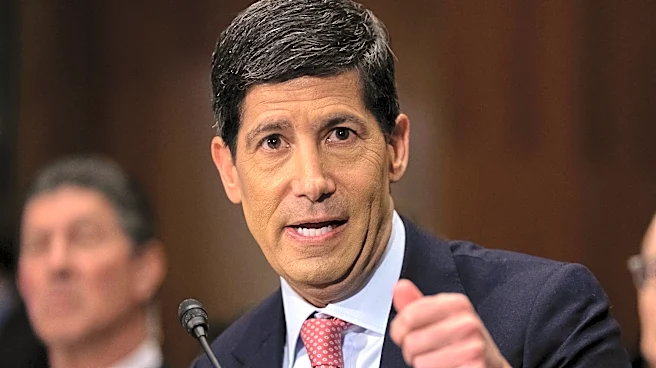
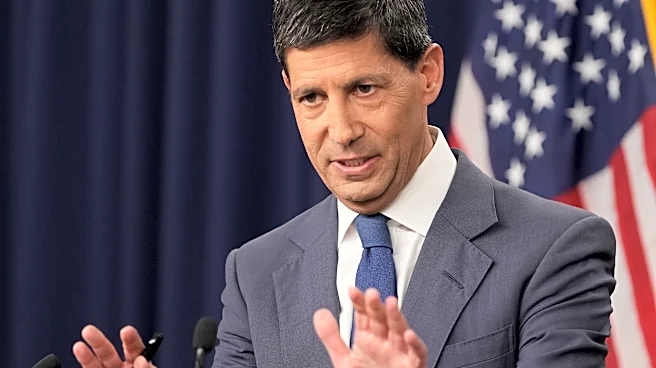
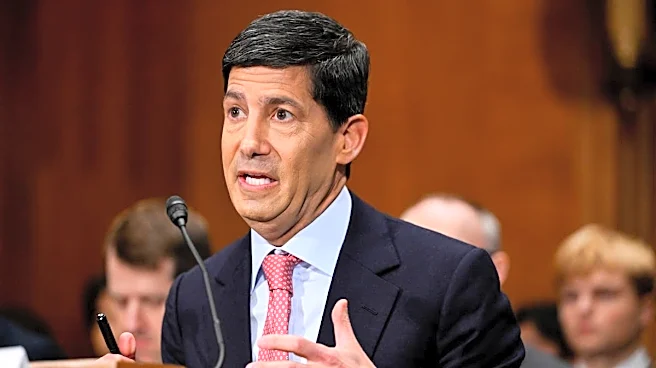
three members of the Federal Open Market Committee (FOMC) dissented, advocating for a rate hike to combat persistent inflation. Fed Chairman Kevin Warsh emphasized the Fed's commitment to its 2% inflation target, acknowledging the challenges posed by recent economic shocks. The decision reflects a cautious approach to monetary policy amid geopolitical tensions and fluctuating energy prices.
Why It's Important?
The Fed's decision to hold rates steady is significant as it reflects the central bank's strategy to manage inflation without stifling economic growth. The dissent among FOMC members indicates a growing concern about inflation's impact on the economy, which could lead to future rate hikes. The ongoing conflict in the Middle East and its effect on energy prices are critical factors influencing the Fed's policy decisions. The outcome of these decisions will have broad implications for the U.S. economy, affecting consumer spending, business investment, and overall economic stability.
What's Next?
The Federal Reserve will continue to assess economic conditions and inflation trends to guide future interest rate decisions. If inflation remains elevated, the Fed may consider raising rates in upcoming meetings. The geopolitical situation in the Middle East and its impact on energy prices will be closely monitored as they pose significant risks to economic stability. Stakeholders, including businesses and consumers, should prepare for potential changes in monetary policy that could affect borrowing costs and economic activity. The Fed's commitment to its inflation target suggests a proactive approach to managing economic challenges.