







What's Happening?
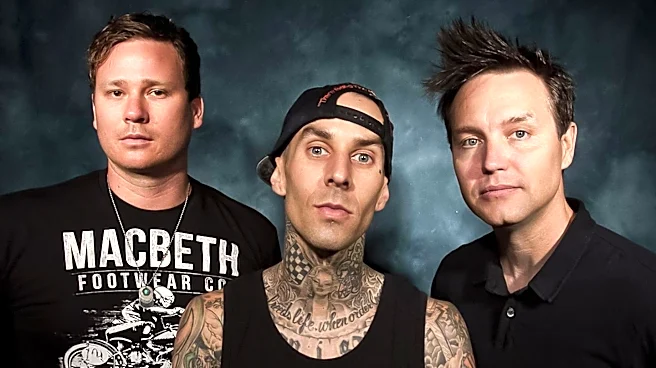
During an appearance on the 'On Purpose with Jay Shetty' podcast, Travis Barker recounted a deeply emotional memory involving his daughter, Alabama, prior to his 2008 plane crash. Barker shared that his then 3 or 4-year-old daughter, Alabama, tearfully
pleaded with him not to leave for a show in South Carolina, repeatedly saying, 'The roof is gonna come off.' This unusual behavior prompted Barker to return inside and question her further. Despite his daughter's premonition and his own unease about flying, particularly in a small plane, Barker proceeded with his scheduled performance. He admitted to feeling an overwhelming sense of dread, which was uncharacteristic for him, and even called his father to express his discomfort with the flight. Barker also mentioned telling his father to ensure his children were cared for if anything happened to him, indicating a strong premonition of danger. His fears tragically materialized when the plane crashed during takeoff, resulting in a fire that claimed four lives.
Why It's Important?
This account from Travis Barker highlights the profound psychological impact of traumatic events and the often-unexplained phenomena surrounding them, such as premonitions. For individuals who have experienced or witnessed similar tragedies, Barker's story can resonate deeply, offering a shared understanding of the emotional and mental struggles that follow. From a broader perspective, it underscores the human tendency to rationalize or dismiss intuitive warnings, sometimes with dire consequences. The narrative also touches upon the immense pressure faced by public figures to fulfill professional commitments, even when personal instincts suggest otherwise. The emotional vulnerability displayed by Barker, a figure often associated with resilience, provides a powerful reminder of the human cost of such incidents and the lasting scars they leave on survivors and their families. It also brings to light the often-overlooked emotional burden carried by those in high-risk professions.
What's Next?
While Barker's appearance on the podcast primarily serves as a reflective sharing of a past traumatic event, it contributes to ongoing conversations about mental health, trauma, and the importance of intuition. For Barker, continuing to share his story may be part of his healing process and could inspire others to address their own past traumas. The podcast platform, known for its focus on personal growth and self-improvement, provides a space for such narratives to reach a wide audience. There are no immediate 'next steps' in terms of legal or public policy implications directly stemming from this specific recounting. However, the story could indirectly encourage more open discussions about the psychological well-being of individuals in demanding careers and the need for support systems. It may also prompt listeners to pay closer attention to their own intuitive feelings and the emotional expressions of their loved ones.
Beyond the Headlines
Beyond the immediate narrative of the plane crash, Barker's story delves into the complex interplay between parental instinct, childhood intuition, and the rational mind. The chilling accuracy of his daughter's premonition raises questions about the nature of intuition and whether children possess a heightened sensitivity to impending danger. This account could spark discussions on the psychological and even philosophical aspects of premonitions, and how they are often dismissed in a society that prioritizes logical reasoning. Furthermore, it sheds light on the emotional burden carried by parents, particularly those whose professions involve inherent risks, and the internal conflict between professional obligations and personal safety. The story also subtly touches upon the long-term psychological effects of trauma, as Barker's ability to recall such vivid details years later indicates the enduring impact of the event on his psyche. It serves as a poignant reminder of the fragility of life and the profound connections within families.