
What's Happening?
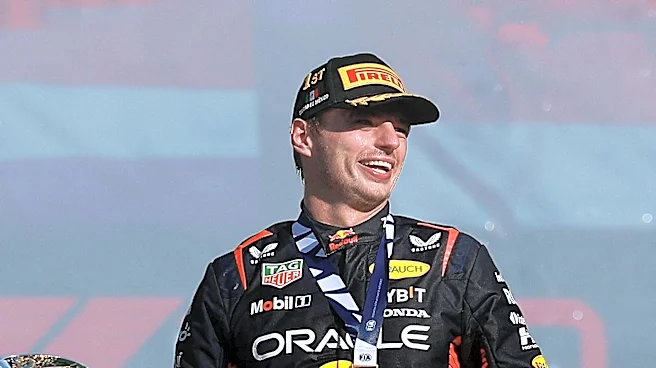
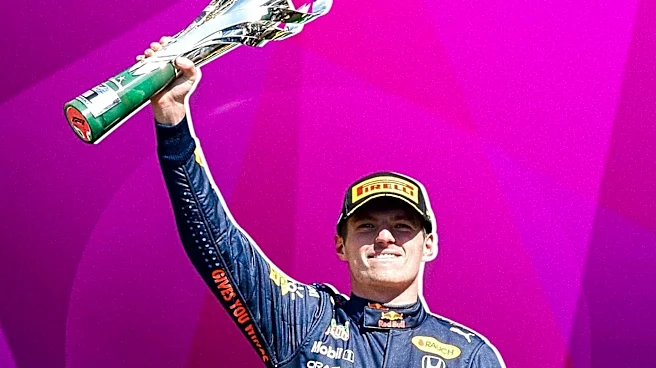
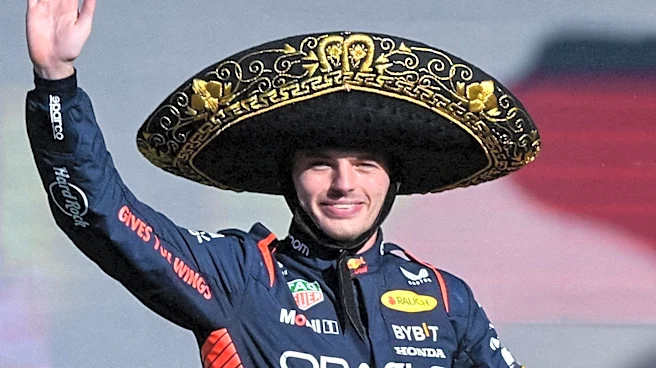
Max Verstappen, the four-time world champion, received a one-place grid penalty for the Mexico City Grand Prix following an incident with Liam Lawson during the second practice session. The collision,
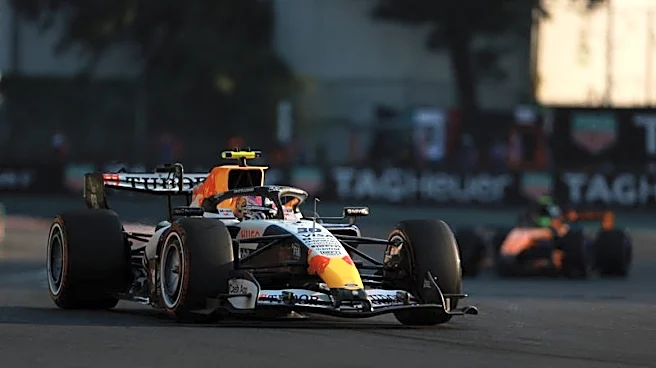
which occurred through Turns 12 to 14 at the Autodromo Hermanos Rodriguez, resulted in a red flag and penalties for both drivers. Verstappen, who had qualified fourth, will now start the race from fifth position. The stewards deemed the incident 'unacceptable' and noted that the decision to issue a grid penalty, rather than a reprimand, was a stricter approach justified by a recurring pattern of similar incidents in practice sessions throughout the season. Verstappen acknowledged that the air has been cleared between him and Lawson, stating, 'It's all fine between us.'
Why It's Important?
This penalty for Max Verstappen, a dominant figure in Formula 1, highlights the FIA's increasing strictness regarding on-track conduct, even during practice sessions. The stewards' decision to escalate the penalty from a typical warning to a grid drop signals a clear intent to curb aggressive or careless driving that leads to contact, regardless of the session. This could set a precedent for future incidents, forcing drivers to exercise greater caution during practice to avoid compromising their starting positions. For the Mexico City Grand Prix, Verstappen's drop to fifth could alter the race dynamics, potentially giving competitors a better chance at the front. It also underscores the pressure on drivers like Liam Lawson, who are fighting for their seats, to avoid any incidents that could jeopardize their standing or reputation within the sport.
What's Next?
The immediate consequence is Verstappen starting the Mexico City Grand Prix from fifth place, which could make his path to victory more challenging, especially given the competitive field. The incident and subsequent penalty will likely serve as a reminder to all drivers about the importance of maintaining discipline and avoiding contact, even in non-qualifying or race sessions. Teams and drivers will need to adapt their strategies to account for this stricter enforcement, potentially leading to more conservative driving during practice. The FIA's stance suggests a continued focus on driver conduct and safety, which could influence future rule interpretations and penalties across the Formula 1 calendar. The cleared air between Verstappen and Lawson indicates a professional resolution, but the incident's impact on their respective races remains.
Beyond the Headlines
The FIA's decision to use Verstappen's incident as an 'example' points to a broader effort to maintain order and safety in Formula 1, addressing a perceived increase in risky behavior during practice. This move could be seen as an attempt to reassert authority and ensure that drivers respect track limits and fellow competitors at all times. Ethically, it raises questions about whether penalties should be applied uniformly or if high-profile drivers are sometimes singled out to send a stronger message. Culturally, such incidents and penalties contribute to the narrative of driver rivalries and the intense competitive environment of F1, where every decision, even in practice, can have significant consequences. It also highlights the ongoing tension between aggressive driving for performance and the need for safety and fair play.