







What's Happening?
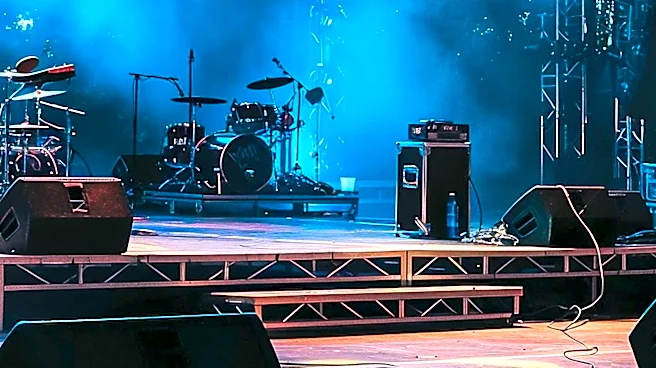
Country music singer Ella Langley's Friday night concert at the BOK Center in Tulsa, Oklahoma, was canceled due to a serious security threat. The BOK Center released a statement prioritizing the safety and well-being of everyone involved, leading to the decision
to cancel the show. The Tulsa Police Department (TPD) was contacted and believes the threat was likely a swatting call. TPD officers conducted regular security checks before the concert and found no concerns. However, on Friday morning, authorities received a phone call threatening harm at the concert, though no specific details were provided. Following this call, the department conducted another security sweep and increased security personnel at the venue. TPD ultimately found no credible threat and stated there was no active threat at the time. They did not advise either the BOK Center or Langley to cancel the concert, indicating the decision was made by the venue or Langley's team. Langley also issued a statement on social media, expressing her regret and emphasizing that the decision was made under the advisement of local authorities, the venue, and her security team, prioritizing fan safety.
Why It's Important?
The cancellation of a major concert due to a security threat, even if deemed non-credible by law enforcement, highlights the significant impact of such incidents on public events and the entertainment industry. This event underscores the heightened security concerns surrounding large gatherings and the difficult decisions organizers and performers face when threats emerge. The financial implications for venues, artists, and ticket holders are substantial, including lost revenue from ticket sales, concessions, and associated local businesses. Furthermore, the incident raises questions about the prevalence of 'swatting' calls and their disruptive potential, diverting law enforcement resources and causing widespread inconvenience and anxiety. The decision to cancel, despite police finding no credible threat, reflects a cautious approach to public safety, setting a precedent for how similar situations might be handled in the future and potentially influencing security protocols for live events across the U.S.
What's Next?
Information regarding ticket refunds for the canceled Ella Langley concert is expected to be shared by the BOK Center as soon as possible. The Tulsa Police Department has stated that the incident is under investigation and has encouraged anyone with helpful information to contact Tulsa Crime Stoppers for a cash reward. This ongoing investigation aims to identify the source of the threat and determine if any legal action can be taken against those responsible for the 'swatting' call. The event may prompt a review of security protocols and communication strategies between venues, artists' teams, and local law enforcement to better manage and respond to future threats, credible or otherwise. It could also lead to increased public awareness campaigns about the serious consequences of making false threats to public safety.
Beyond the Headlines
This incident delves into the broader societal issue of 'swatting' and its implications beyond immediate event cancellations. Swatting, the act of making a false report to emergency services to draw a large police response to a particular address, is a dangerous and illegal practice that wastes valuable public safety resources and can put innocent lives at risk. The cancellation of the concert, even without a credible threat, demonstrates the power of such hoaxes to disrupt public life and cause significant economic and emotional distress. It also highlights the psychological impact on attendees and performers, fostering an environment of fear and uncertainty around public gatherings. The event may contribute to ongoing discussions about stricter penalties for swatting and enhanced technological solutions to trace and deter such malicious calls, aiming to protect both public safety and the integrity of large-scale events.