




What's Happening?
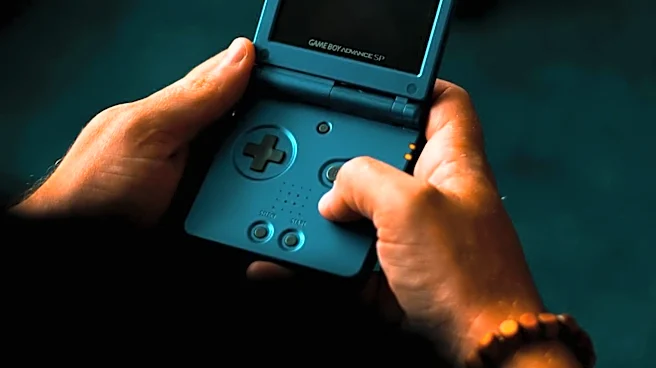
Nintendo has presented a legal argument in federal court asserting that customers who paid higher prices for Switch consoles due to tariffs have no legal claim to refunds when the company receives tariff refunds from the government. The tariffs, imposed
on Chinese electronics, had increased retail prices for Nintendo products. As some tariffs face potential reversal, the question arises whether Nintendo should pass on any government relief to consumers. Nintendo argues that the sale of consoles was complete at the time of purchase, and any subsequent changes in supply-chain costs are unrelated to consumer law. The company maintains that tariff refunds are corporate income and not consumer refunds, urging the court to dismiss the lawsuit.
Why It's Important?
This case highlights a significant issue in consumer law regarding corporate accountability when government policies create financial asymmetries. If Nintendo's argument is upheld, it could set a precedent allowing companies to retain government-provided financial relief without passing benefits to consumers who bore the initial cost increases. This could impact consumer rights and corporate practices, particularly in industries affected by tariffs or similar government interventions. The outcome may influence future legal interpretations of consumer claims to corporate windfalls originating from government actions.
What's Next?
The court has yet to rule on Nintendo's motion to dismiss. If the case proceeds, it will enter the discovery phase, where evidence about the impact of tariffs on pricing and potential refunds will be examined. A decision against Nintendo could lead to a class-action lawsuit affecting thousands of consumers. The timeline for a ruling is uncertain, and even if the case advances, it could take years before any potential refunds are distributed. The case's outcome will be closely watched by the tech industry and consumer rights advocates.