





What's Happening?
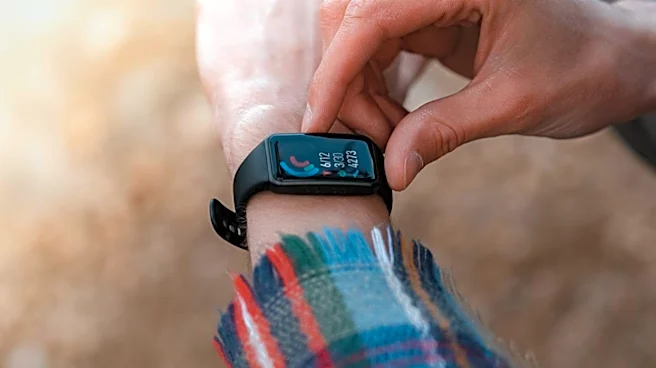
Whoop, the company known for its screenless fitness trackers, has introduced a new social network called 'Whoop Humans' within its existing app. Launched on November 12, this platform allows members to connect with friends and family, sharing health and fitness data
such as workout milestones, sleep patterns, and recovery metrics. A key distinguishing feature of Whoop Humans is its verification process: every account is linked to a Whoop wearable device, and the company uses the wearer's heartbeat data to confirm that each account represents a real person. This approach aims to combat the prevalence of AI-generated content, automated accounts, and bots often found on traditional social media platforms. Users have control over what information they share, who can see it, and can keep certain activities and 'Moments' (photos from workouts or personal milestones) private. The network is designed to foster mutual support among users, enabling them to cheer on achievements or check in on friends whose data might indicate a need for rest.
Why It's Important?
The launch of Whoop Humans signifies a notable shift in the landscape of social networking, particularly within the health and fitness sector. By integrating social features directly into a wearable ecosystem and verifying users through biometric data, Whoop is attempting to create a more authentic and less artificial online interaction space. This could set a new standard for trust and genuine connection in social media, addressing growing concerns about misinformation and bot activity. For the health and fitness industry, it offers a novel way for users to engage with their data and their community, potentially increasing motivation and adherence to wellness goals. The emphasis on user control over data sharing also highlights a growing demand for privacy in digital platforms. If successful, this model could influence other tech companies to explore similar biometric verification methods, potentially reshaping how online identities are established and how personal data is managed in social contexts.
What's Next?
Whoop Humans is now live and available to all Whoop members through the company's app, with no additional cost. The company plans to continue investing in this feature, suggesting further developments and enhancements are likely. The success of Whoop Humans will depend on user adoption and how effectively it can maintain its 'verifiably human' promise while scaling. Other wearable tech companies and social media platforms will likely monitor its performance closely. If Whoop Humans gains significant traction, it could prompt competitors like Google's Fitbit and Apple to accelerate their own social integration efforts or explore similar biometric verification strategies. The platform's ability to foster genuine connections and provide value beyond traditional social media will be crucial for its long-term viability and potential to influence broader trends in digital interaction.
Beyond the Headlines
The concept of a 'verifiably human' social network, authenticated by physiological data, raises interesting ethical and privacy considerations. While Whoop emphasizes user control and privacy protections, the collection and use of heartbeat data for social verification represent a deeper integration of biometric information into online identity. This could pave the way for future digital platforms to demand more personal, unforgeable forms of identification, potentially blurring the lines between physical and digital selves. The move also reflects a broader societal yearning for authenticity in an increasingly digital and AI-driven world. However, it also opens discussions about data security, the potential for misuse of biometric data, and the implications for individuals who may not wish to link their physiological information to their online presence. The long-term cultural impact of such 'deeply human' networks on privacy norms and digital identity remains to be seen.