




What's Happening?
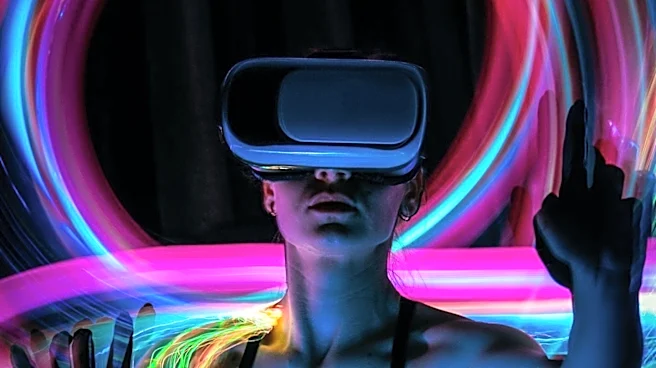
E.l.f. Cosmetics has expanded its presence into the metaverse by launching its first virtual styling experience on the social media and metaverse platform, ZEPETO. This initiative, titled “Express your e.l.f.,” allows users to explore, create, and personalize
their avatars with e.l.f.-designed looks. The experience incorporates beauty trends and offers virtual make-up from the brand’s Power Grip range, along with hairstyles, bags, jewelry, and special effects items inspired by the Power Grip product line’s colors and textures. This is not e.l.f. Cosmetics' initial venture into gaming; the brand previously collaborated with Roblox to create avatar make-up looks and host gaming experiences. Additionally, e.l.f. Cosmetics maintains a significant presence on Twitch, where it was the first brand to introduce a shoppable in-stream feature. Patrick O’Keefe, Chief Integrated Marketing Officer for e.l.f. Brands, stated that the company aims to connect with its community where they engage with culture, fostering discovery, empowerment, and self-expression through immersive experiences.
Why It's Important?
This move by e.l.f. Cosmetics signifies a growing trend among beauty brands to engage with consumers in virtual spaces, particularly within the U.S. market. By investing in platforms like ZEPETO, e.l.f. is tapping into a younger, digitally native demographic that spends significant time in metaverses and online gaming environments. This strategy allows the brand to build brand loyalty and awareness in innovative ways, potentially influencing future purchasing decisions in the physical world. The integration of virtual styling and product representation in the metaverse could set a precedent for how beauty products are marketed and experienced, moving beyond traditional advertising to interactive, personalized engagements. This approach also highlights the increasing importance of digital marketing and influencer strategies in the beauty industry, as brands seek to create immersive experiences that resonate with evolving consumer behaviors. The success of such ventures could encourage other U.S. beauty companies to explore similar metaverse and gaming partnerships, reshaping the competitive landscape.
What's Next?
E.l.f. Cosmetics is likely to continue expanding its digital footprint and exploring new metaverse and gaming collaborations. The brand's ongoing commitment to meeting its community in virtual spaces suggests future initiatives will focus on enhancing user engagement and self-expression within these platforms. Other beauty brands in the U.S. are expected to closely monitor the performance and impact of e.l.f.'s virtual styling experience on ZEPETO. If successful, this could lead to a broader adoption of metaverse marketing strategies across the beauty industry, with more companies investing in virtual product launches, avatar customization options, and interactive brand experiences. The evolution of these virtual engagements may also influence product development, as brands could start designing products specifically for both physical and digital consumption. Furthermore, the integration of shoppable elements within these virtual environments could become more sophisticated, blurring the lines between virtual interaction and real-world commerce.
Beyond the Headlines
The foray of e.l.f. Cosmetics into virtual styling on platforms like ZEPETO raises deeper questions about the future of identity and self-expression in the digital age. As individuals spend more time in metaverses, their virtual avatars become extensions of their real-world identities, and the ability to customize these avatars with branded products offers a new form of self-presentation. This trend could lead to a redefinition of beauty standards, as virtual aesthetics may influence real-world perceptions and desires. Ethically, the increasing commercialization of virtual spaces by beauty brands could also prompt discussions about consumer privacy, data collection, and the potential for digital addiction, particularly among younger users. Culturally, the blending of gaming, social media, and commerce in the metaverse represents a significant shift in how brands interact with consumers, moving towards more immersive and personalized experiences that could reshape consumer culture and brand loyalty in the long term.