








What's Happening?
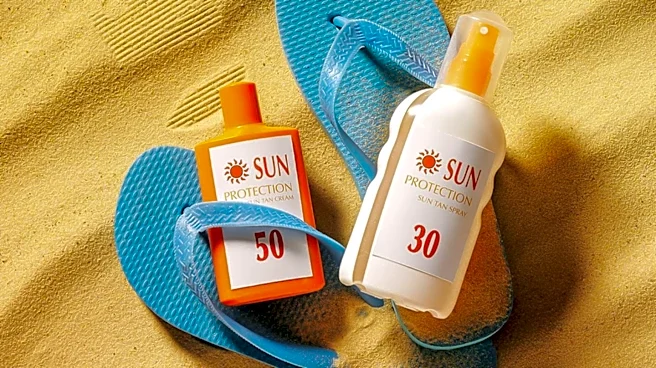
Consumer Reports has published its annual sunscreen ratings for 2026, evaluating over 100 sunscreen products, including lotions and sprays. The testing process involves applying a controlled amount of sunscreen to small skin areas and exposing them to ultraviolet
B (UVB) rays, which are known to cause sunburn and contribute to skin cancer. For water-resistant products, testers immerse them in water for up to 80 minutes before UV exposure. Additionally, the report assesses UVA protection, which is crucial for guarding against skin aging and cancer. This involves shining UV light through sunscreen-coated plates to measure the amount of light that penetrates. The report aims to guide consumers in selecting effective sunscreens that offer broad-spectrum protection against both UVB and UVA rays.
Why It's Important?
The release of Consumer Reports' sunscreen ratings is significant as it highlights the importance of using effective sun protection to prevent skin damage and cancer. With only 13.5 percent of Americans reportedly using SPF daily, there is a critical need to raise awareness about the benefits of sunscreen. The report emphasizes the necessity of choosing broad-spectrum, water-resistant sunscreens with high SPF to protect against harmful UV rays. This information is vital for consumers, especially those with sensitive or darker skin, as it helps them select products that provide adequate protection without adverse effects. The findings also underscore the role of sunscreen in preventing skin aging, which is a growing concern among the public.
What's Next?
As awareness of the importance of SPF continues to grow, it is expected that more consumers will seek out reliable information on effective sun protection. Dermatologists and health professionals may increase efforts to educate the public on the benefits of regular sunscreen use. Additionally, manufacturers might respond by developing more innovative and user-friendly sunscreen formulations to meet diverse consumer needs. The ongoing research and testing by organizations like Consumer Reports will likely continue to play a crucial role in guiding consumer choices and influencing market trends in the sunscreen industry.
Beyond the Headlines
The focus on sunscreen efficacy also brings attention to broader public health initiatives aimed at reducing skin cancer rates. As more people become aware of the risks associated with UV exposure, there may be increased advocacy for policies promoting sun safety, such as providing sunscreen in public spaces and encouraging protective clothing. Furthermore, the emphasis on sunscreen could lead to greater scrutiny of product labeling and marketing claims, ensuring that consumers receive accurate information about the protection levels offered by different products.