





What's Happening?
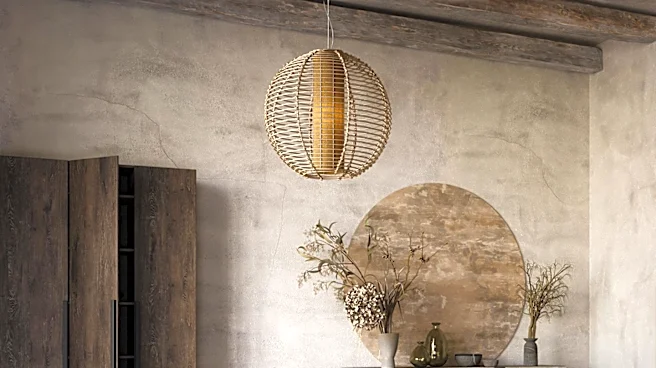
Wabi-sabi, an ancient Japanese philosophy that finds beauty in imperfection, is gaining traction in India as a popular interior design style for 2026. This design approach emphasizes the natural patina of aged wood, the irregularities of handcrafted furniture,
and the elegance of organic materials. It contrasts with conventional luxury by creating spaces that feel lived-in and personal. The style is closely related to Japandi, a fusion of Japanese and Scandinavian aesthetics, which has become beloved in Indian homes. Wabi-sabi's focus on authenticity and natural materials aligns well with India's tradition of artisanal craftsmanship and reverence for objects with history.
Why It's Important?
The rise of wabi-sabi in India reflects a broader shift towards valuing authenticity and sustainability in interior design. This trend could influence the global luxury market by promoting handcrafted and natural materials over mass-produced items. It also highlights a cultural exchange between Japanese and Indian design philosophies, potentially leading to innovative design solutions that respect both traditions. For the Indian market, embracing wabi-sabi could enhance the appeal of local craftsmanship and support artisans, contributing to economic growth in the sector.