




What's Happening?
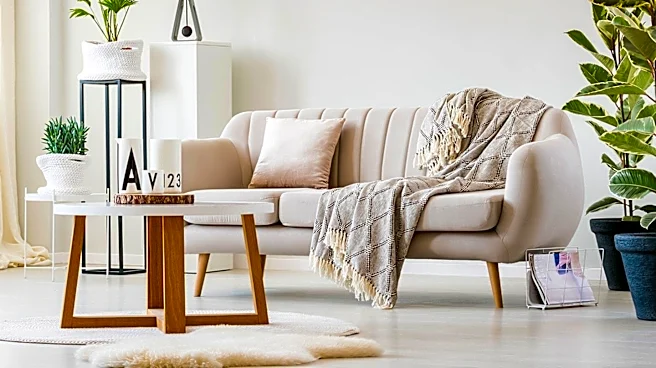
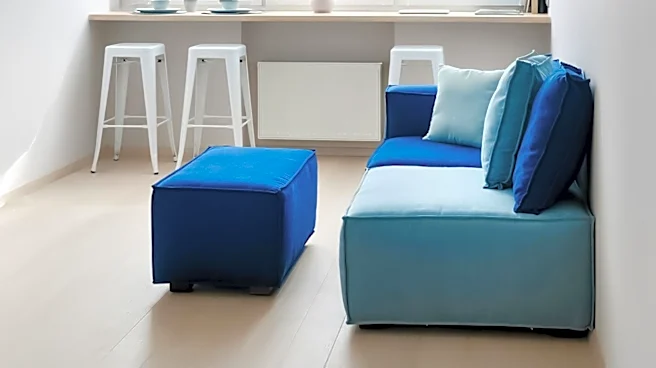
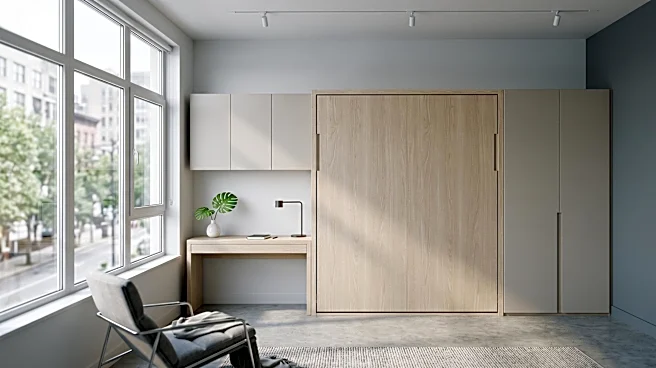
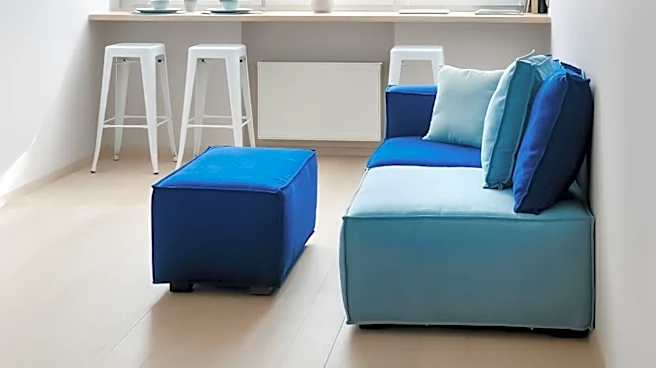
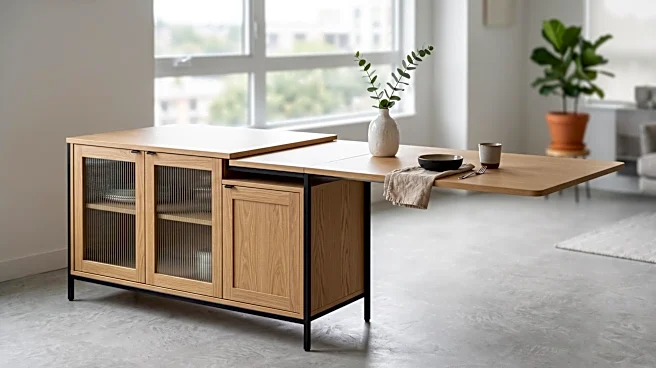
Studio apartment design is evolving to maximize small living spaces by creating distinct zones for sleeping, living, and dining within a single room. This approach emphasizes the use of multifunctional furniture, such as sofa beds, storage ottomans, and extendable
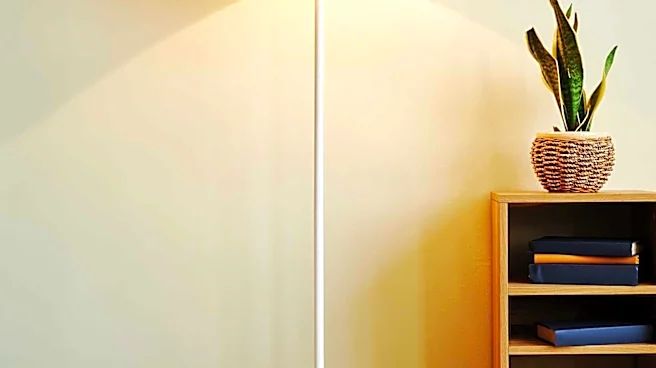
tables, to serve multiple purposes and reduce clutter. Vertical storage solutions, including tall bookcases and wall-mounted shelves, are also crucial for utilizing vertical space and keeping floor areas open. Designers recommend avoiding blocking windows with tall dividers to maintain natural light and carefully planning storage zones to prevent the apartment from feeling cramped. The goal is to establish a continuous walkway and ensure proper clearance around sleeping areas, making the space feel larger and more organized.
Why It's Important?
The increasing demand for urban living and smaller, more affordable housing options in the U.S. makes efficient studio apartment design critically important. This trend impacts urban planning, real estate development, and the furniture industry. For residents, well-designed studio apartments offer a practical solution to high living costs in metropolitan areas, promoting a minimalist yet functional lifestyle. For businesses, it drives innovation in furniture design, leading to a market for compact, versatile, and aesthetically pleasing pieces. Real estate developers can attract a broader tenant base by offering thoughtfully designed small units that enhance livability. The emphasis on smart layouts and multifunctional items also encourages sustainable consumption by reducing the need for excessive furniture and promoting efficient use of space.
What's Next?
The trend towards optimized studio apartment living is expected to continue, with further innovations in furniture technology and smart home integration. Manufacturers will likely develop more sophisticated multifunctional furniture that seamlessly transforms to meet different needs throughout the day. Interior designers may increasingly specialize in small-space solutions, offering tailored services for studio dwellers. Additionally, urban developers might incorporate these design principles into new construction projects, creating more efficient and appealing micro-apartments. Educational resources and online platforms dedicated to small-space living are also likely to expand, providing more accessible design ideas and product recommendations for individuals looking to maximize their studio apartments.
Beyond the Headlines
Beyond the immediate practical benefits, the focus on studio apartment design reflects broader societal shifts towards urbanization, sustainability, and a redefinition of living spaces. It challenges traditional notions of home size and encourages a more intentional approach to personal belongings and consumption. The emphasis on creating distinct zones within a single room can also influence psychological well-being, providing a sense of order and purpose in compact environments. This design philosophy promotes adaptability and resourcefulness, encouraging residents to think creatively about how they use their space. It also highlights the growing importance of design as a tool for improving quality of life in increasingly dense urban settings, fostering a culture of efficiency and thoughtful living.