






What's Happening?
New York City has implemented a new pied-à-terre tax on secondary residences, effective July 1, which has caused significant discontent among billionaires and property owners. The tax targets properties not used as primary residences, with the city releasing
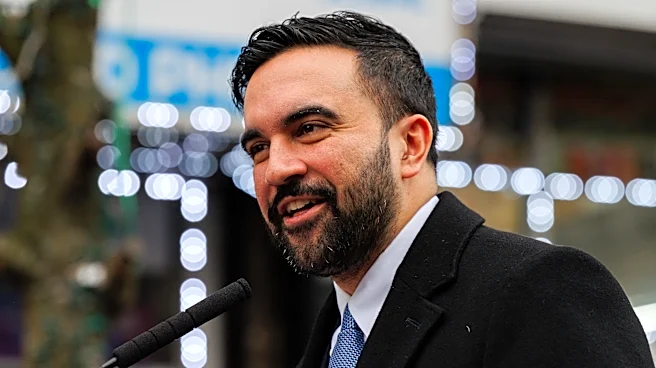
a comprehensive list of affected addresses. The tax is expected to generate between $340 million and $500 million annually, though it has been met with criticism from wealthy individuals like Ken Griffin, who argue it unfairly targets success. The tax is part of Mayor Zohran Mamdani's initiative to increase revenue from the city's wealthiest residents.
Why It's Important?
The introduction of the pied-à-terre tax represents a significant shift in how New York City seeks to generate revenue, particularly from its wealthiest residents. This move could set a precedent for other cities looking to address budget shortfalls by taxing luxury properties. While the tax aims to increase city revenue, it also raises questions about the balance between fair taxation and economic growth, as critics argue it could deter investment and lead to a decline in property values. The tax's impact on the real estate market and its potential to influence similar policies in other urban areas make it a critical development in urban economic policy.