



What's Happening?
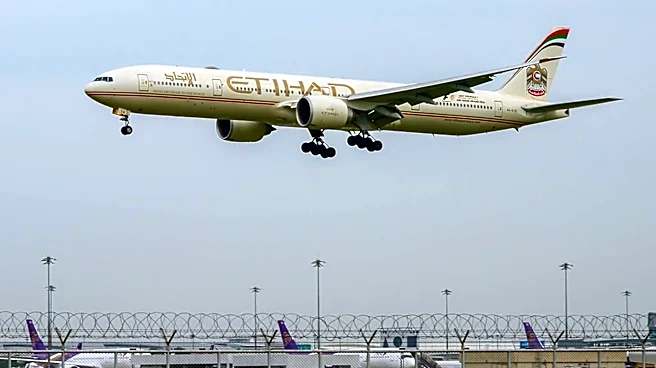
Airlines, freight forwarders, importers, and exporters are urging Thai Airways to resolve significant cargo congestion at Bangkok's Suvarnabhumi Airport. The issue stems from a breakdown in the cargo clearance system, managed by Airports of Thailand and Thai Airways,
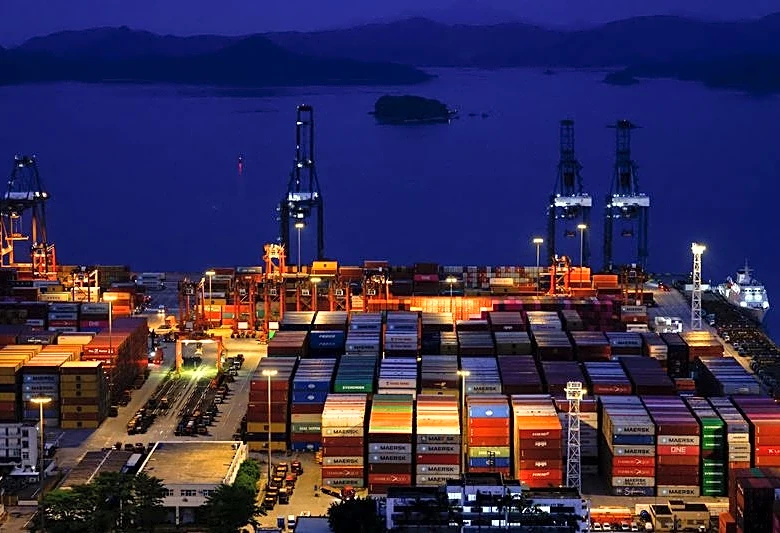
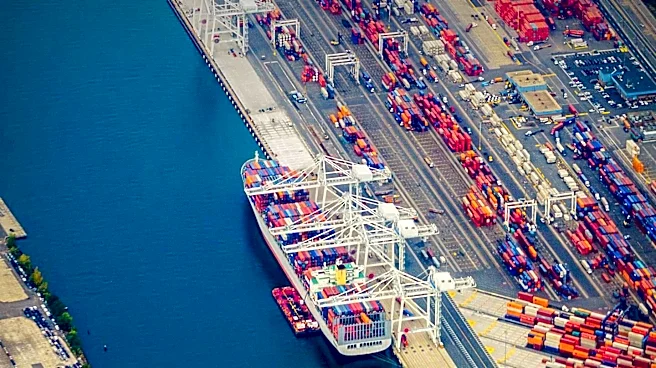
which is failing to record the storage location and status of shipments. This has led to substantial delays, with large volumes of cargo remaining on pallets and in containers awaiting processing. The Thai Airfreight Forwarders Association (TAFA) reports that warehouse workers are struggling to locate and process shipments, resulting in hundreds of unattended containers. Thai Cargo, the cargo division of Thai Airways, has suspended service for freighter aircraft until the end of November and requested airlines to reduce inbound cargo by 50% between October 31 and November 7. They have also asked for advance notification of inbound container shipments. The Thai Chamber of Commerce has warned that this congestion now threatens to disrupt outbound shipments as well. Thai Airways has apologized, stating they are adding staff and forklifts, prioritizing deliveries, and seeking temporary warehouse space from Airports of Thailand. They also plan to implement an internal warehouse management system to track cargo.
Why It's Important?
This cargo congestion at Bangkok's Suvarnabhumi Airport carries significant implications for global supply chains, particularly impacting the U.S. electronics and AI infrastructure ecosystems. Thailand is a crucial exporter of electrical machinery and equipment, with its manufacturing sector experiencing a surge in demand due to the worldwide need for AI-related cloud storage. Approximately 22% of Thailand's exports last year were destined for the United States, making any disruption in its logistics network directly affect U.S. industries. The delays are occurring during the peak shipping season, exacerbating the potential for economic losses and missed deadlines for businesses reliant on these goods. U.S. companies importing electronics, AI components, auto parts, and rubber products from Thailand face increased costs, production delays, and potential shortages. The inability to track shipments also hinders customs clearance and payment processes, creating further bottlenecks and financial strain for freight forwarders and importers. This situation highlights the fragility of global supply chains and the interconnectedness of international trade, where a localized issue can have far-reaching economic consequences.
What's Next?
Airports of Thailand is coordinating discussions among stakeholders to minimize the disruption. The Thai Chamber of Commerce has proposed several measures, including sorting cargo by airline, accelerating container breakdown, assigning clear storage locations, increasing manpower with private-sector support, and updating the cargo clearance system with accurate, real-time information. Thai Airways is actively responding by adding staff and forklifts, prioritizing older deliveries, and seeking temporary warehouse space. They also plan to introduce an internal warehouse management system to improve cargo tracking. Freight forwarders like Dimerco Express are advising shippers to book flights several days in advance due to anticipated delays. The suspension of freighter aircraft service by Thai Cargo through November and the request for reduced inbound cargo volume indicate that the situation is expected to persist for several weeks. The effectiveness of these measures in alleviating the congestion and restoring normal operations will determine the duration and severity of the impact on international trade and affected industries.
Beyond the Headlines
The ongoing cargo crisis at Bangkok's airport underscores broader vulnerabilities within global logistics and the critical need for robust, transparent supply chain management. The failure of the cargo clearance system to accurately record shipment locations highlights a systemic issue that can cripple international trade, particularly for time-sensitive and high-value goods like electronics and AI components. This event could prompt a re-evaluation of reliance on single-point logistics hubs and encourage diversification of shipping routes and methods. Furthermore, it emphasizes the importance of investing in advanced digital infrastructure for cargo management to prevent similar breakdowns. The incident also brings to light the human element in logistics, as flooding and worker availability can significantly impact operational efficiency. For U.S. businesses, this disruption serves as a stark reminder of the need for resilient supply chain strategies, including contingency planning and potentially near-shoring or re-shoring critical manufacturing to mitigate risks associated with international logistics bottlenecks.