




What's Happening?
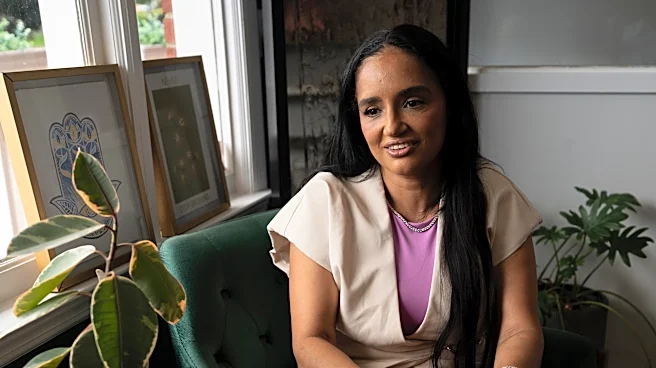
Natalie McNamara, CEO of Harry's at Hofheimer, a Richmond restaurant, experienced an automatic withdrawal of approximately $60,000 from her bank account due to a billing error by the Department of Public Utilities (DPU). McNamara's typical DPU bill is
less than $2,000, making the August statement's inflated amount a significant shock. The erroneous charge was automatically debited via autopay before the bill's due date. The majority of the increased bill was attributed to the building's fire line meter, which incorrectly indicated the use of nearly 7 million gallons of water despite no fire or major leak. After multiple unsuccessful attempts to contact DPU, McNamara reached out to her city council representative, which led to a response from the DPU director acknowledging the error. The DPU subsequently corrected the meter data, and the $60,000 was returned to McNamara's account.
Why It's Important?
This incident highlights significant vulnerabilities in automated billing systems and the potential for severe financial disruption for businesses and individuals. For small businesses like Harry's at Hofheimer, an unexpected $60,000 withdrawal can be catastrophic, impacting payroll, vendor payments, and overall operational stability. The reliance on autopay, while convenient, exposes customers to immediate financial loss when billing errors occur, underscoring the need for robust error detection and prevention mechanisms within utility companies. The difficulty McNamara faced in resolving the issue with DPU also points to potential systemic issues in customer service and accountability within public utility departments. This event could erode public trust in automated payment systems and utility providers, prompting calls for greater transparency and more responsive resolution processes for billing disputes.
What's Next?
Following this incident, the DPU has stated it is monitoring its billing system performance and identifying necessary adjustments to internal processes, including thresholds for manual bill reviews. The department also encourages customers to review their upper threshold limits for auto-drafts and establish limits they are comfortable with in advance. McNamara, having removed her DPU account from autopay, hopes the city will restore confidence in its billing practices. This situation may lead to increased scrutiny of DPU's billing system and potentially prompt other customers to re-evaluate their autopay settings. City officials may face pressure to implement more stringent oversight and improve customer support for billing issues to prevent similar occurrences and rebuild public trust.
Beyond the Headlines
The DPU billing error affecting Natalie McNamara extends beyond a simple financial mistake, touching upon broader issues of technological reliability, corporate responsibility, and the psychological impact of financial shocks. The incident underscores the double-edged sword of automation: while it offers efficiency, it also introduces the risk of large-scale, immediate errors with significant consequences. For business owners, such an event can cause immense stress and divert critical resources from core operations to dispute resolution. This case may also spark a wider conversation about consumer protection in an increasingly automated financial landscape, particularly concerning public utilities that hold monopolies. It raises questions about the ethical obligations of service providers to safeguard customers against system failures and to provide accessible and timely recourse when errors occur, potentially influencing future regulatory discussions on automated billing practices.