







What's Happening?
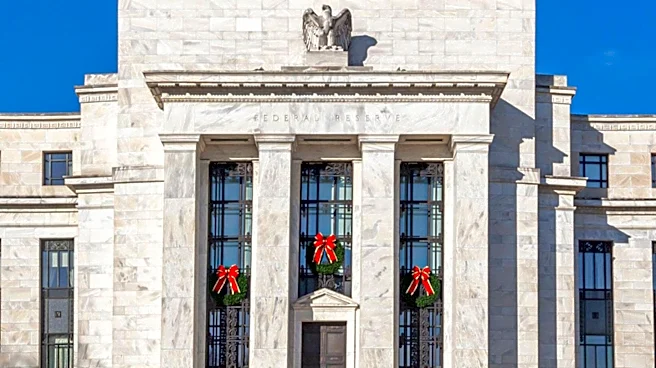
In October 2026, Federal Reserve Vice Chair of Supervision Michelle Bowman outlined plans to propose higher, inflation-indexed bank asset thresholds and significant changes to the Federal Reserve's supervision framework. Speaking at the 2026 Community
Banking Research Conference, Bowman argued that current fixed thresholds can inadvertently push smaller, non-complex banks into higher supervisory tiers designed for more complex institutions. She noted that for the past 15 years, community banks have been defined as having less than $10 billion in assets. Bowman aims to expand the range of institutions classified as community banks, with corresponding adjustments to supervisory expectations and requirements. Additionally, the Fed's supervisory function will be restructured to foster a 'culture of accountability and clear decision-making authority,' initially organizing supervision into five regions, each with a leader accountable for all supervisory activity within that region. These regions will follow state boundaries rather than existing Reserve Bank districts.
Why It's Important?
These proposed changes are highly significant for the U.S. banking sector, particularly for community and mid-sized banks. Raising asset thresholds could alleviate regulatory burdens on a broader segment of institutions, allowing them to operate with fewer compliance costs and potentially freeing up capital for lending and economic growth. This could especially benefit commercial real estate (CRE) lending, as much of the nation's bank CRE exposure resides with smaller and mid-sized lenders. The realignment of the supervisory function aims to enhance efficiency and accountability within the Federal Reserve's oversight, potentially leading to more consistent and tailored supervision. For banks, this could mean a clearer understanding of regulatory expectations and a more responsive supervisory environment, ultimately impacting their operational strategies and risk management practices.
What's Next?
CREFC (Commercial Real Estate Finance Council) has indicated it will closely monitor developments regarding these threshold and tailoring proposals due to their potential implications for bank CRE lending and the supervisory treatment of CRE-active institutions. The Federal Reserve will proceed with formal proposals for these changes, which will likely involve public comment periods before final implementation. Banks, especially those near current or proposed asset thresholds, will need to assess how these changes might affect their regulatory classification, compliance obligations, and business strategies. The shift to state-based supervisory regions also suggests a significant internal reorganization for the Federal Reserve, which will require careful implementation to ensure a smooth transition and continued effective oversight.
Beyond the Headlines
The Federal Reserve's initiative to adjust bank asset thresholds and restructure its supervisory framework reflects a broader recognition of the evolving landscape of the U.S. banking industry. By indexing thresholds to inflation, the Fed acknowledges the impact of economic growth on bank size and aims to prevent regulatory creep that could disproportionately affect smaller institutions over time. This move could foster greater competition and innovation among community banks by reducing the disincentives associated with growth. However, it also raises questions about how the new regional supervisory structure will interact with existing state and federal regulatory bodies and whether it will truly lead to a more unified and effective supervisory approach across diverse banking markets. The long-term implications could include a more dynamic and adaptable regulatory environment, but also potential challenges in coordinating across new regional boundaries.