


What's Happening?
Isack Hadjar, a Red Bull driver, has been issued a formal warning by the FIA following an incident at the Mexico City Grand Prix where he shoved a paddock guest. Viral footage showed Hadjar pushing away an adult man who had put an arm around him while
attempting to take a selfie. The stewards acknowledged that Hadjar's action technically breached the International Sporting Code. However, they cited several mitigating factors, including that the driver was reacting to an 'uninvited and rather aggressive action' by the guest. The stewards also noted that Hadjar was running late for FP1, had insufficient security, and the guest had invaded his personal space without consent. Hadjar expressed satisfaction with the decision, stating he was glad the 'right decision' was made and that the stewards understood his perspective. He also emphasized the need for better paddock security to prevent similar occurrences, distinguishing between young fans and adults who invade personal space.
Why It's Important?
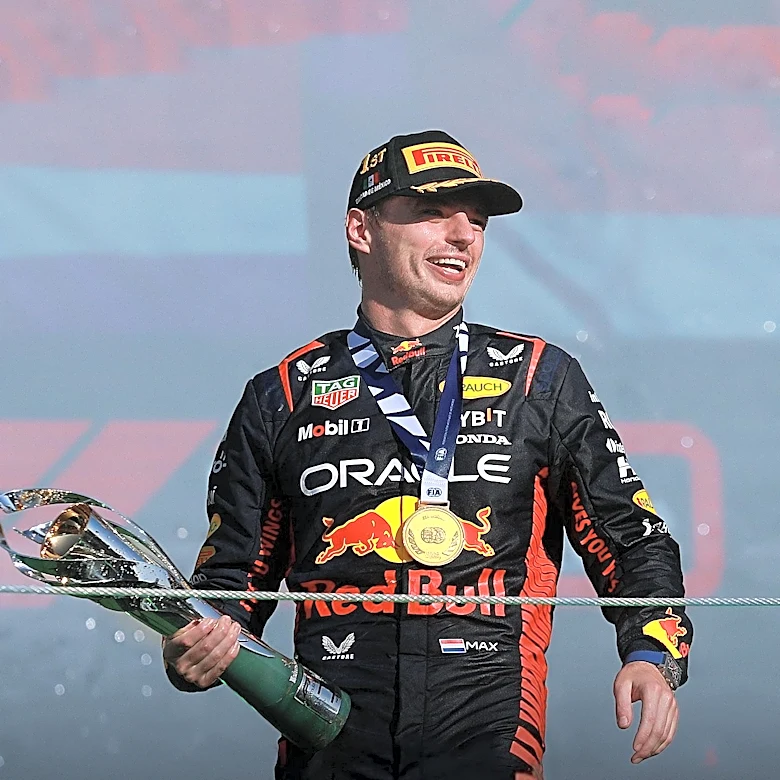
This incident highlights ongoing concerns within the racing community regarding paddock security and the interaction between drivers and fans. Max Verstappen's recent complaint about the paddock becoming a 'zoo' underscores a growing sentiment among drivers that their personal space and safety are being compromised. The FIA's decision to issue a warning rather than a more severe penalty, while acknowledging a breach of rules, sets a precedent for how such interactions might be handled in the future. It suggests a recognition of the pressures drivers face and the need for better protective measures. For fans, it serves as a reminder of boundaries and appropriate conduct in close proximity to athletes. The incident could prompt a review of security protocols at major racing events, potentially leading to stricter access controls or increased personnel to manage fan interactions, impacting the overall experience for both drivers and attendees.
What's Next?
Following this incident, there is a potential for increased scrutiny on paddock security measures at future racing events. Drivers like Hadjar and Verstappen have voiced concerns, which may prompt the FIA and event organizers to re-evaluate and enhance existing protocols. This could involve implementing stricter guidelines for fan interaction, increasing the number of security personnel, or creating more defined personal space boundaries for drivers. While no immediate changes have been announced, the formal warning and the mitigating factors cited by the stewards suggest a leaning towards driver protection. Future events might see a more proactive approach to managing fan access and behavior, aiming to prevent similar incidents and ensure a safer environment for all participants. The racing community will likely monitor how these concerns are addressed in upcoming Grand Prix events.
Beyond the Headlines
The incident involving Isack Hadjar extends beyond a simple rule breach, touching upon broader issues of personal space, public figures' rights, and the evolving nature of fan engagement in the digital age. The 'viral footage' aspect underscores how quickly such events can disseminate and shape public perception, placing additional pressure on sports organizations to respond. The FIA's nuanced decision, balancing rule enforcement with an understanding of the driver's predicament, reflects a recognition of the complex dynamics at play. It raises questions about the ethical responsibilities of fans and the extent to which public figures are expected to tolerate intrusions into their personal space. This event could contribute to a larger conversation about the boundaries of celebrity access and the need for clearer guidelines that protect both the privacy of individuals and the integrity of public events, potentially influencing how other sports and public events manage similar situations.