




What's Happening?
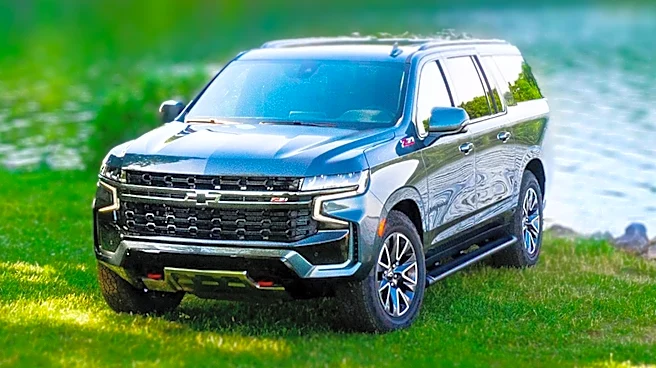
Planning an Ohio road trip with a Chevrolet vehicle involves selecting the right model for travel needs, mapping out a diverse route, and conducting pre-trip vehicle inspections. Chevrolet offers a range of vehicles, including the Equinox for small families,
the Traverse for larger groups, and the Silverado for those needing to transport gear. Ohio provides varied road trip experiences, from natural attractions like Hocking Hills to city explorations in Columbus, Cleveland, or Cincinnati, and lakeside communities along Lake Erie. Travelers are advised to plan routes with a mix of attractions, allowing flexibility for spontaneous discoveries. Essential pre-trip preparations include checking tires, fluids, lights, and battery, and addressing any scheduled maintenance. The article also highlights the importance of utilizing in-vehicle technology for comfort and navigation, packing for diverse weather conditions, and managing fuel, breaks, and expenses.
Why It's Important?
This information is crucial for the U.S. automotive and tourism industries, particularly within Ohio. For Chevrolet, it underscores the versatility of its vehicle lineup, potentially boosting sales and rentals as consumers plan domestic travel. For Ohio's tourism sector, it serves as a promotional tool, encouraging road trips and highlighting the state's diverse attractions, from natural landscapes to urban centers. The emphasis on vehicle preparation and safety contributes to public awareness regarding responsible travel, potentially reducing roadside incidents. Furthermore, by detailing various vehicle types and their suitability for different travel needs, it helps consumers make informed decisions, enhancing their overall travel experience and fostering loyalty to the Chevrolet brand and Ohio as a travel destination.
What's Next?
As domestic travel continues to be a popular option, Chevrolet and other automotive manufacturers may further tailor their marketing strategies to promote specific models for road trips, emphasizing features like cargo space, fuel efficiency, and infotainment systems. Ohio's tourism boards might leverage such content to create more detailed road trip itineraries, potentially partnering with automotive brands or dealerships to offer promotional packages. There could be an increased focus on digital tools for trip planning, including apps that integrate vehicle features with route optimization and attraction discovery. Additionally, as electric vehicles become more prevalent, future road trip planning guides will likely incorporate charging infrastructure and range considerations, influencing both vehicle development and travel logistics.
Beyond the Headlines
The narrative around road trips in the U.S. reflects deeper cultural values of freedom, exploration, and self-reliance. The emphasis on choosing the right vehicle and thorough preparation speaks to a consumer desire for control and comfort in their travel experiences. Environmentally, while promoting vehicle use, there's an implicit call for efficient travel through proper maintenance and route planning, which can contribute to reduced emissions. Economically, road trips stimulate local economies along routes, benefiting small businesses, gas stations, and local attractions. The article also subtly highlights the evolution of vehicle technology, where comfort, connectivity, and safety features are now integral to the travel experience, transforming the car from a mere mode of transport into a mobile hub for adventure and convenience.