








What's Happening?
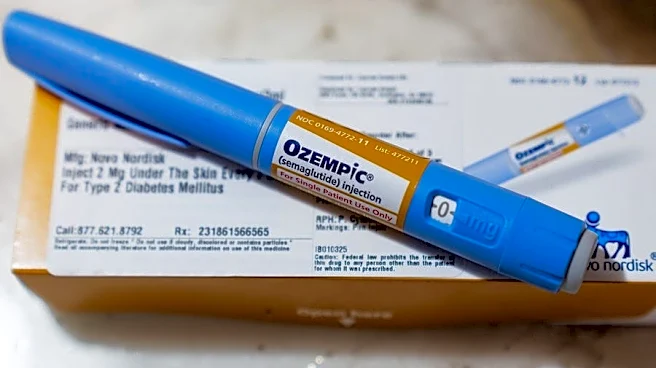
Novo Nordisk, the pharmaceutical company behind Wegovy and Ozempic, has entered into a global exclusive license and collaboration agreement with Swedish biotech firm Nanexa AB. This agreement, potentially valued at up to $1.33 billion, grants Novo Nordisk the rights
to utilize Nanexa’s proprietary PharmaShell technology across as many as five development programs. The primary focus of this collaboration is to develop long-acting injectable formulations for peptide-based drugs targeting obesity, type 2 diabetes, and other cardiometabolic diseases. The PharmaShell technology involves applying an ultra-thin inorganic coating to drug particles, which allows for the controlled release of medicines over extended periods. The ambitious goal is to create injectable treatments that could be administered monthly or even quarterly, significantly reducing the frequency of dosing compared to current options. Nanexa is set to receive approximately $700 million in upfront payments, along with development and regulatory milestones, and low-single-digit royalties on future product sales. Following the announcement, Nanexa’s shares surged over 150% at the Stockholm open.
Why It's Important?
This collaboration marks a significant development in the pharmaceutical industry, particularly for the U.S. market, where obesity and type 2 diabetes are prevalent health concerns. The potential for monthly or quarterly GLP-1 injections could dramatically improve patient adherence to treatment regimens, which is a critical factor in managing chronic conditions. For patients, less frequent injections mean greater convenience and potentially a better quality of life. For healthcare providers, improved adherence could lead to better health outcomes and reduced long-term healthcare costs associated with poorly managed chronic diseases. From an economic perspective, this deal highlights a growing trend in pharmaceutical innovation, where advancements in drug delivery systems are becoming as crucial as the discovery of new molecules. The U.S. pharmaceutical market, a major consumer of such treatments, stands to benefit from more effective and patient-friendly options, potentially driving further investment and competition in long-acting drug delivery technologies. This could also impact the competitive landscape for other pharmaceutical companies developing treatments for metabolic diseases.
What's Next?
Following the licensing agreement, Novo Nordisk will begin exploring the application of Nanexa’s PharmaShell technology in up to five development programs. The immediate next steps will involve preclinical and clinical trials to assess the safety and efficacy of these long-acting injectable formulations. The success of these trials will determine the timeline for regulatory submissions and potential market launch. If successful, these new formulations could significantly alter the treatment landscape for obesity and type 2 diabetes, offering patients a more convenient and potentially more effective option. The financial implications for Nanexa will continue to unfold as development and regulatory milestones are met, and if products reach the market, through royalty payments. Other pharmaceutical companies in the U.S. and globally will likely monitor the progress of this collaboration closely, potentially spurring further research and development into similar long-acting drug delivery systems to remain competitive in the cardiometabolic disease market.
Beyond the Headlines
The deal between Novo Nordisk and Nanexa underscores a broader strategic shift within the pharmaceutical industry towards optimizing drug delivery for existing therapies. This move acknowledges that patient compliance and convenience are paramount to treatment success, especially for chronic conditions requiring long-term medication. Ethically, making treatments more accessible and less burdensome for patients can improve health equity and reduce the societal impact of chronic diseases. Legally, the intellectual property surrounding advanced drug delivery systems like PharmaShell will become increasingly valuable, potentially leading to more licensing agreements and partnerships. Culturally, a shift towards less frequent, more convenient medical interventions could influence patient expectations and healthcare practices, emphasizing preventative care and long-term disease management. This trend could also stimulate innovation in other areas of medicine where adherence is a challenge, potentially leading to a new generation of therapies that prioritize patient-centric delivery methods.