

What's Happening?
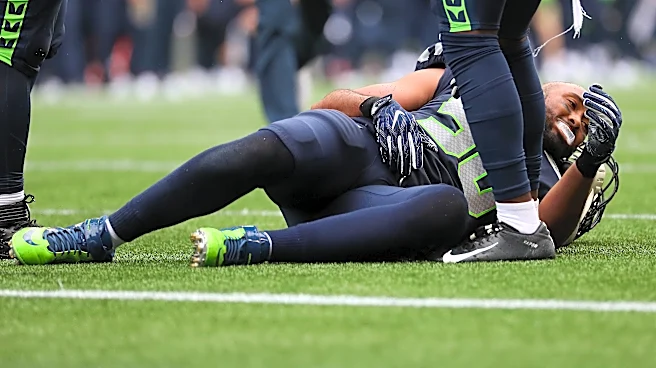
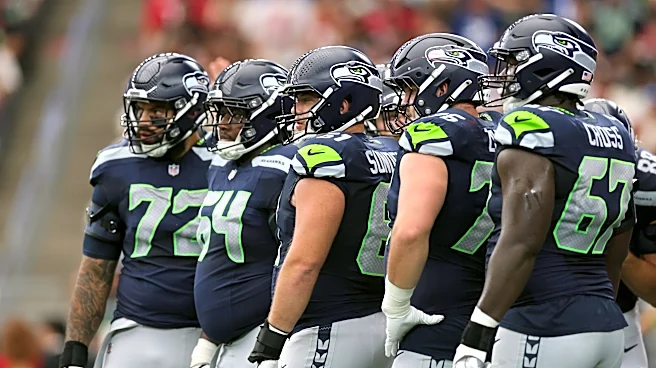
Seattle Seahawks General Manager John Schneider provided insights into the team's significant injury situation and roster management strategy during a pregame radio show. The team faced the Arizona Cardinals with six injured starters, including quarterback
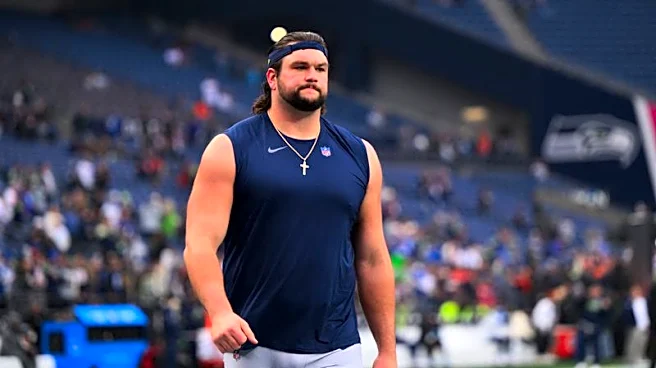
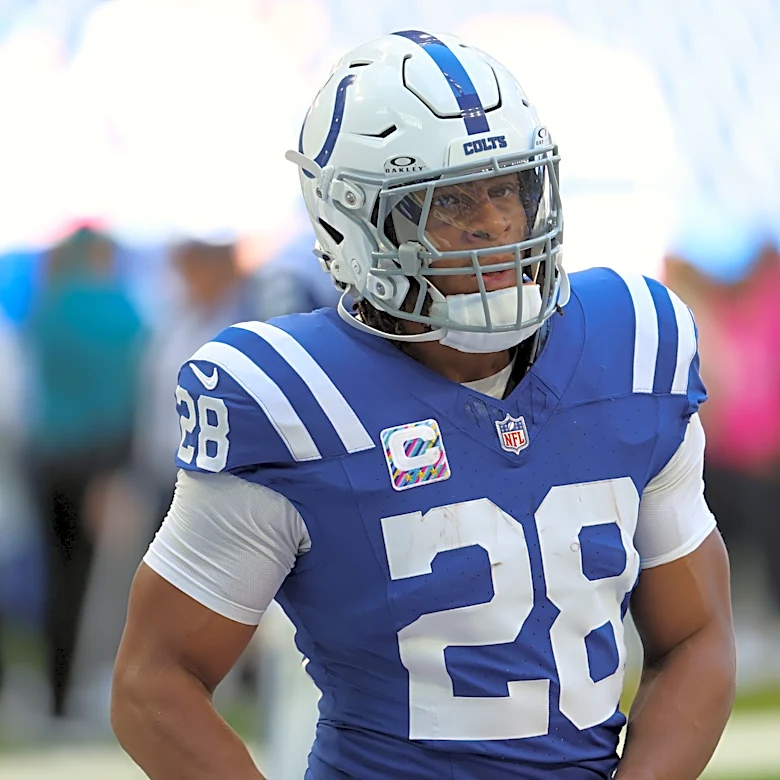
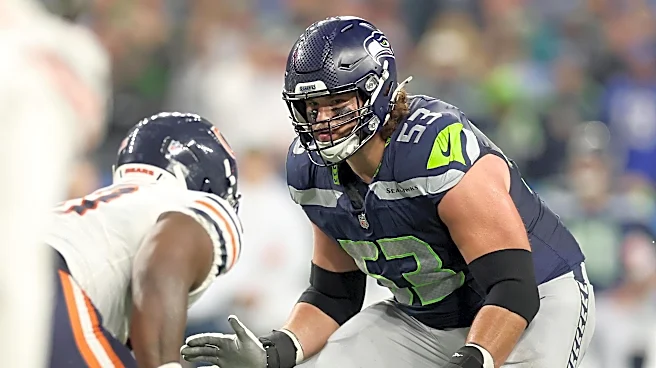
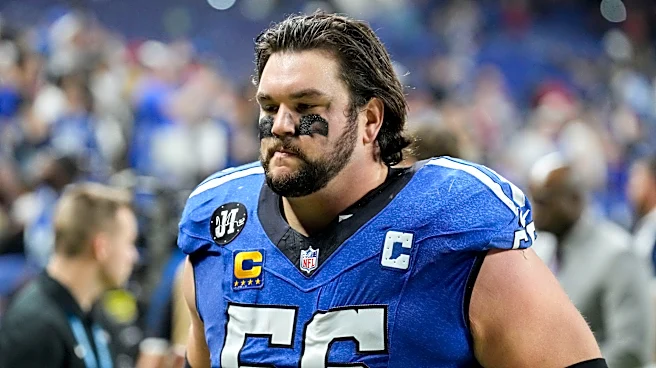
Sam Darnold, All-Pro left guard Quenton Nelson, left tackle Charles Cross, wide receiver Rashid Shaheed, defensive lineman Leonard Williams, and outside linebacker Uchenna Nwosu. Schneider acknowledged the challenges posed by these injuries, emphasizing the team's 'it takes all 70' mantra, referring to the 53-man active roster plus 17 practice squad members. He indicated that several key players, including Darnold, Nelson, Williams, and Cross, might also miss the upcoming game against the Las Vegas Raiders. The bye week following the Raiders game is expected to provide crucial recovery time, potentially giving injured players 19 or more days to heal before the game against San Francisco on November 28. Schneider also commented on Quenton Nelson's situation, stating the team wanted to give him an opportunity to return following a minor knee procedure.
Why It's Important?
The extensive injury list for the Seattle Seahawks significantly impacts their competitive standing and strategic decisions for the current NFL season. Losing multiple starters, particularly key offensive and defensive players, can derail a team's performance and playoff aspirations. The reliance on backup players, such as Drew Lock stepping in for Sam Darnold, tests the depth and resilience of the roster. General Manager John Schneider's comments highlight the organizational challenge of maintaining competitiveness while managing player health. The bye week's timing is critical, offering a window for recovery that could influence the team's second-half performance. The situation also underscores the importance of a robust practice squad and the ability of less experienced players to step into starting roles, which can be a proving ground for future talent or expose vulnerabilities in team depth. The team's ability to adapt to these setbacks will be a key determinant of their success this season.
What's Next?
The immediate focus for the Seattle Seahawks will be managing the health of their injured starters ahead of the game against the Las Vegas Raiders. General Manager John Schneider's remarks suggest that several key players might remain sidelined, necessitating continued reliance on backup personnel. The upcoming bye week will be crucial for player recovery and for the coaching staff to re-evaluate strategies based on player availability. The performance of players like Drew Lock, who is filling in at quarterback, will be under scrutiny as the team navigates this challenging period. Decisions regarding the long-term status of players like Quenton Nelson, especially concerning his knee procedure and return timeline, will also be critical. The team's ability to integrate returning players post-bye week and maintain a competitive edge will largely determine their playoff prospects in the latter half of the season. The trade deadline, which General Manager Schneider has historically been active around, could also present opportunities for roster adjustments, though the current injury situation might influence such decisions.
Beyond the Headlines
The Seahawks' current injury crisis extends beyond immediate game outcomes, touching upon broader themes of player welfare, roster construction philosophy, and the long-term sustainability of NFL teams. The 'it takes all 70' mantra, while emphasizing depth, also highlights the physical toll of professional football and the constant need for teams to develop talent beyond their starting lineup. This situation could influence future draft strategies and free agency decisions, as the organization might prioritize depth at positions that have proven vulnerable to injuries. Furthermore, the management of high-profile injuries, such as Quenton Nelson's, reflects the delicate balance between player health and competitive urgency. The team's approach to rehabilitation and return-to-play protocols will be closely watched, potentially setting precedents for how similar situations are handled across the league. The resilience shown by the team in the face of adversity could also foster a stronger team culture, or conversely, expose underlying issues in player development or medical oversight.