




What's Happening?
Artyzen Singapore, the flagship property of Artyzen Hospitality Group (AHG) under Shun Tak Group, has been awarded One MICHELIN Key for the second consecutive year in the MICHELIN Guide’s global hotel selection. This recognition highlights the hotel's
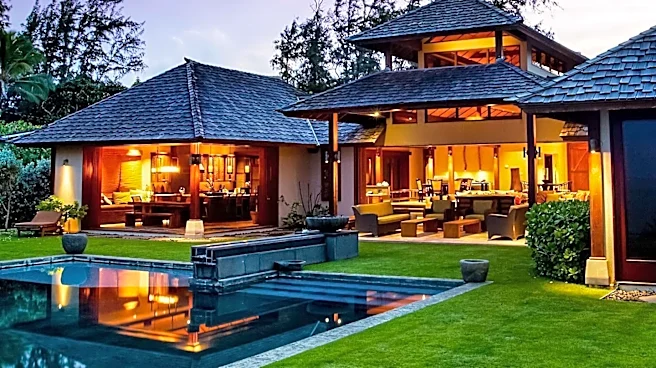
excellence in architectural design, hospitality, and guest experiences. The MICHELIN Guide evaluates hotels based on five criteria: interior design and architecture, individuality, service quality and consistency, contribution to the local travel experience, and exceptional value. A One MICHELIN Key signifies a very special stay, recognizing hotels with distinctive character and service that surpasses guest expectations. Artyzen Singapore, located in Orchard Road, features 142 rooms and suites and aims to blend cultural heritage, art, and contemporary aesthetics to reflect Singapore’s cultural richness. Additionally, three other hotels from the Group—Artyzen Habitat Hengqin Zhuhai, Artyzen Habitat Hongqiao Shanghai, and Artyzen NEW BUND 31 Shanghai—have been included in the 2026 MICHELIN Guide hotel selection, further demonstrating the Group's commitment to quality and distinctive hospitality.
Why It's Important?
This continued recognition for Artyzen Singapore, and the inclusion of three other properties, is significant for the Shun Tak Group and its Artyzen Hospitality Group. It reinforces their expertise and brand presence in the international luxury hospitality sector, particularly within the competitive Asian market. For the U.S. travel industry and American tourists, this signifies a benchmark of quality and a reliable indicator for selecting high-end accommodations in Singapore and other Asian destinations. The MICHELIN Key designation can influence travel decisions, attracting more discerning travelers seeking exceptional experiences. This also impacts the broader hospitality industry by setting high standards for design, service, and cultural integration, potentially encouraging other hotels to elevate their offerings to compete for similar accolades. The emphasis on 'emotional wisdom' and Asian-rooted philosophy in hospitality could also influence global trends in luxury hotel management, highlighting the value of culturally immersive and personalized guest experiences.
What's Next?
Artyzen Singapore aims to continue improving and innovating its guest experiences, as stated by General Manager Marcel NA Holman. The Shun Tak Group plans to maintain its 'Tourism+' development strategy, which integrates cultural richness, contemporary lifestyles, and exceptional hospitality into its hotel and leisure businesses. This strategy will likely involve further enhancing service quality and brand value across its entire hotel portfolio to strengthen its competitive position as an integrated cultural tourism enterprise. The continued recognition from the MICHELIN Guide will likely boost the visibility and appeal of Artyzen properties to international travelers, including those from the U.S., potentially leading to increased bookings and market share in the luxury travel segment. The Group may also explore expanding its unique hospitality model to new markets, leveraging its proven success in blending professional service with local culture.
Beyond the Headlines
The repeated MICHELIN Key award for Artyzen Singapore underscores a growing trend in the luxury hospitality sector: the increasing importance of cultural authenticity and personalized experiences. Beyond just opulent amenities, hotels are being recognized for their ability to deeply integrate with and showcase local culture, art, and heritage. This shift suggests that travelers, particularly those seeking luxury, are looking for more than just comfort; they desire immersive experiences that connect them to the destination. For the U.S. travel market, this implies a demand for hotels that offer a genuine sense of place, moving beyond generic luxury. It also highlights the influence of prestigious international guides like MICHELIN in shaping consumer perceptions and driving industry standards, pushing hotels to innovate in areas like design, service, and cultural programming to stand out in a crowded market. This trend could lead to a broader re-evaluation of what constitutes 'luxury' in hospitality, emphasizing unique, culturally rich, and emotionally resonant stays.