





What's Happening?
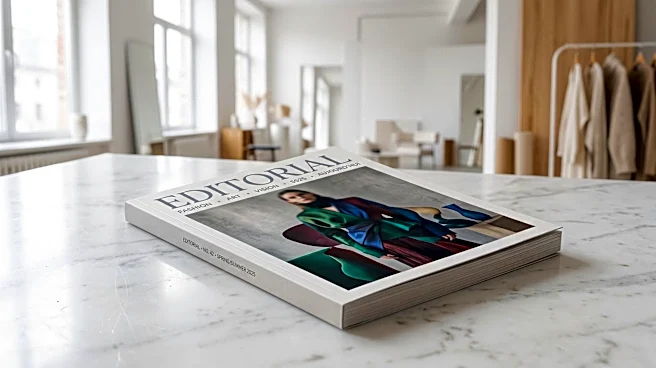
The fashion industry is currently grappling with the disparity in rates for hair and makeup artists (HMUAs) across different types of work, specifically editorial versus commercial and show day assignments. Editorial work, which focuses on creating compelling
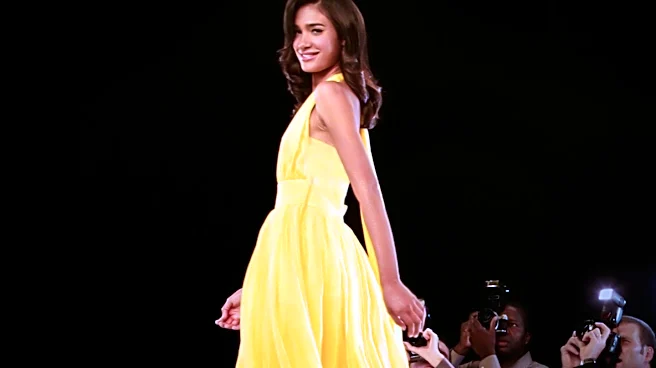
visuals for fashion content and campaigns, typically offers lower base fees, ranging from $150–$500 per hour or $750–$2,000 per day. This is often attributed to its value in portfolio building and artistic expression. In contrast, commercial and e-commerce projects, which are directly tied to marketing and sales, offer significantly higher rates, from $100–$400 per hour or $1,500–$3,500 per day, and up to $20,000 per job. Runway shows also tend to have lower base fees but can offer substantial compensation based on market prestige. The compensation structure across all these categories is influenced by how the content will be used, including advertising, distribution, and generated sales.
Why It's Important?
This rate disparity highlights a critical economic challenge for freelance HMUAs in the U.S. fashion industry. While editorial work offers valuable exposure and opportunities for artistic development, the lower pay can make it unsustainable as a long-term career path. This forces artists to balance creative fulfillment with financial stability, often leading them to prioritize higher-paying commercial jobs. The reliance on low-paying editorial work for portfolio building can create a cycle where artists are undervalued for their creative contributions, impacting their ability to invest in their craft and maintain professional kits. The discussion around kit fees, typically $50–$125 per day, further underscores the financial burden on artists who must supply their own equipment, which is often not provided by fashion events.
What's Next?
Freelance HMUAs are advised to strategically manage their careers by understanding the different rate structures and when to seek agency representation. Agencies can help artists navigate pricing, usage rights, and contract negotiations, ensuring fair compensation for their work. Artists are encouraged to build strong portfolios, maintain professional kits, and develop clear career goals before approaching agencies. The industry may see continued discussions around standardizing rates and improving compensation for editorial work to better reflect the artists' skill and effort. Balancing agency work with direct clients will also be crucial for artists to maximize their income and career growth, requiring careful time management and clear communication regarding bookings and fees.
Beyond the Headlines
The distinction between editorial and commercial rates reflects a broader tension within creative industries between artistic value and commercial viability. Editorial work, while less lucrative, often drives trends and shapes cultural narratives, contributing significantly to the industry's creative capital. However, the expectation for artists to accept lower pay for this 'exposure' raises ethical questions about fair labor practices and the sustainability of creative careers. This dynamic can lead to a two-tiered system where only those with external financial support can afford to pursue purely artistic endeavors, potentially limiting diversity and innovation within the industry. Addressing this imbalance could involve re-evaluating the intrinsic value of editorial content and establishing industry-wide standards that ensure artists are compensated fairly for all types of work.