








What's Happening?
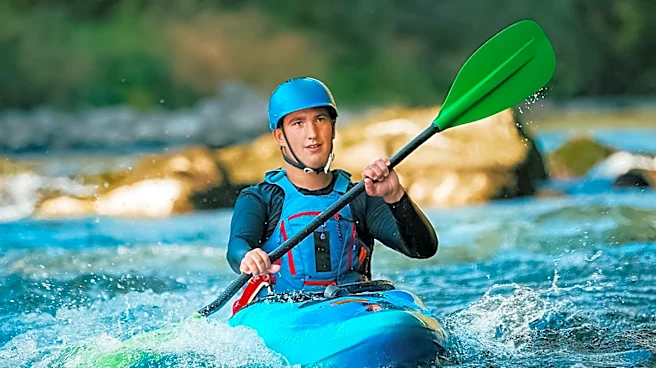
Kayaking, a water sport involving a small boat propelled by a double-bladed paddle, necessitates proper paddling techniques, adequate safety equipment, and careful selection of water conditions based on individual ability. Kayaks are versatile, with types
designed for various activities, from recreational use on calm waters to exploring seas or navigating river rapids. The sport offers physical benefits, including training upper body strength, increasing endurance, improving balance and coordination, and supporting cardiovascular fitness. Different kayak types, such as recreational, touring, sea, whitewater, and fishing kayaks, cater to specific needs and water environments. Essential equipment includes the kayak itself, a double-bladed paddle, a Personal Flotation Device (PFD), and sometimes a helmet, along with appropriate clothing and safety gear like a whistle and communication devices. Beginners are advised to start in calm, sheltered waters, learn basic techniques, and always wear a PFD.
Why It's Important?
The emphasis on proper technique and safety in kayaking is crucial for preventing accidents and ensuring a positive experience for participants. As water sports gain popularity across the U.S., understanding these fundamentals can reduce the strain on emergency services and promote responsible recreational activities. The physical benefits of kayaking contribute to public health initiatives, offering an engaging way to improve cardiovascular fitness, strength, and coordination. For the outdoor recreation industry, clear guidelines on equipment and training can boost consumer confidence and participation, potentially leading to increased sales of kayaks, paddles, and safety gear. Moreover, promoting safe kayaking practices helps preserve natural waterways by encouraging responsible interaction with the environment, benefiting local ecosystems and tourism.
What's Next?
Continued efforts in promoting kayaking safety and education are expected, with organizations likely to offer more training programs and resources for beginners. The development of new kayak designs and safety equipment may also emerge, aiming to enhance user experience and reduce risks. Local and national parks, along with recreational centers, will likely continue to provide access to kayaking opportunities, potentially expanding their offerings to include guided tours and specialized training for different water conditions. As the sport evolves, there may be a greater focus on sustainable kayaking practices to minimize environmental impact, encouraging participants to adhere to 'leave no trace' principles. The industry could also see an increase in demand for eco-friendly equipment and tours.
Beyond the Headlines
Beyond the immediate physical and recreational aspects, kayaking fosters a deeper connection with nature and promotes mental well-being through immersion in outdoor environments. The discipline required to master paddling techniques and navigate various waters can build resilience and problem-solving skills. Ethically, the sport highlights the importance of environmental stewardship, as kayakers often witness firsthand the impact of pollution and climate change on waterways, potentially inspiring greater advocacy for conservation. Legally, regulations regarding water safety, PFD usage, and environmental protection are critical for managing the growing number of participants and ensuring the sustainability of kayaking as a recreational activity. Culturally, kayaking can serve as a bridge to understanding local ecosystems and indigenous water traditions.