







What's Happening?
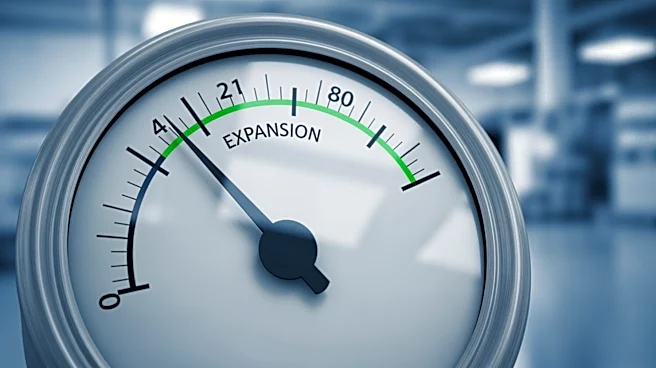
The U.S. manufacturing sector is experiencing substantial job cuts, reaching levels not seen since the early COVID-19 lockdowns. According to a report by S&P Global, the Flash US Manufacturing PMI rose to 55.7 in June, indicating growth, yet the employment
picture is deteriorating. Manufacturing headcounts have been reduced at the fastest rate since 2020, marking the third instance of such cuts in the past four months. This trend is attributed to ongoing supply chain disruptions, particularly from Middle East conflicts and tariff pressures, which have extended supplier delivery times to their longest since August 2022. Despite some positive signs, such as a 23,000 increase in manufacturing employment through May 2026 and a 4% rise in manufacturing tech hiring since May 2025, the June employment sub-index shows a sharp reversal. Business confidence, although improved from February's low, remains below long-term averages.
Why It's Important?
The job cuts in the manufacturing sector highlight broader economic challenges facing the U.S. economy. With input price inflation remaining high and demand uncertain, companies are resorting to workforce reductions as a cost management strategy. This trend is reflective of a larger economic environment where growth is sluggish, with the economy growing at just 1.6% annualized in the first quarter of 2026. The pressure on manufacturing workforces is indicative of the challenges HR leaders face, as they are often tasked with managing the consequences of executive-level cost-cutting decisions. The focus on cost optimization over revenue growth, as noted in Gartner's 2026 CHRO Leadership Perspectives Survey, underscores the financial pressures businesses are under.
What's Next?
The manufacturing sector may continue to face challenges as companies navigate high input costs and supply chain issues. HR leaders will likely need to develop strategies to manage workforce reductions while maintaining operational efficiency. The broader economic outlook remains cautious, with potential impacts on consumer sentiment and spending. As businesses adjust to these conditions, further job cuts or strategic shifts in workforce management could occur. Monitoring upcoming economic data releases, such as the third GDP estimate, will be crucial for understanding the trajectory of the U.S. economy.